
Borderless the lives of undocumented workers
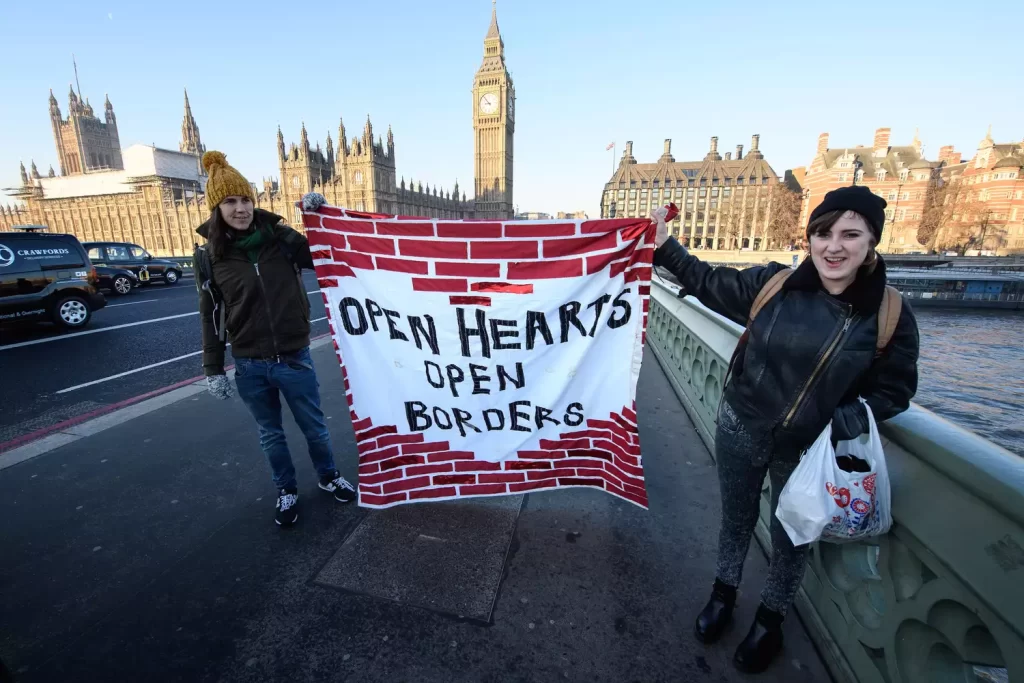
In the shadows of bustling cities and sprawling fields, millions of undocumented workers navigate a world without recognition or rights.
They wake before dawn, labor for long hours, and contribute to economies that rarely acknowledge their presence. Borderless: The Lives of Undocumented Workers sheds light on the silent resilience of individuals who live in constant uncertainty, balancing hope with fear.
From construction sites to service industries, their stories reveal a complex tapestry of sacrifice, ambition, and survival. This article explores their daily struggles, systemic barriers, and the humanity they carry across borders—both real and imagined.
 How much are undocumented farm workers paid
In an increasingly globalized economy, the lives of undocumented workers reflect a paradox of mobility and restriction. While technology, trade, and capital move across borders with relative ease, the people who power essential industries—agriculture, construction, domestic work, and services—often do so without legal status, exposing them to exploitation, insecurity, and exclusion.
These workers contribute significantly to national economies, yet they remain invisible in policy discussions and social narratives. Their daily existence is shaped by constant fear of deportation, limited access to healthcare, education, and legal protections, and the emotional toll of family separation.
The concept of a borderless world rings hollow for millions who live and labor in the cracks of immigration systems designed to exclude them, underscoring the urgent need for humane and inclusive frameworks that recognize both their contributions and their humanity.
The Economic Contributions of Undocumented Workers
Undocumented workers play a crucial role in sustaining key sectors of the economy, often filling labor shortages in industries that native-born workers are less likely to enter.
 How much did undocumented workers pay in taxes in 2022
In the United States, for example, they represent a significant portion of the workforce in agriculture, where they harvest crops under demanding conditions, and in construction, where they contribute to infrastructure and housing development.
Many also work in food service, hospitality, and domestic care—jobs essential to daily life but often undervalued and underpaid. Despite widespread stereotypes, studies show that undocumented workers do not displace native workers but rather expand economic output and help keep prices lower for consumers.
Their tax contributions, including through payroll and sales taxes, further support public services even though they are typically excluded from most benefits. The sheer scale of their economic impact challenges misconceptions and calls for policies that acknowledge their vital role.
| Sector | Contribution of Undocumented Workers | Key Challenges |
|---|---|---|
| Agriculture | Up to 70% of farmworkers in some U.S. states are undocumented | Exposure to pesticides, long hours, wage theft |
| Construction | Approximately 12-15% of construction laborers are undocumented | Lack of safety protections, informal employment |
| Domestic Work | Many undocumented women work in childcare and elder care without legal recognition | Isolation, no labor rights, vulnerability to abuse |
| Hospitality | High concentration in hotels, restaurants, and cleaning services | Low wages, irregular schedules, fear of reporting violations |
Undocumented workers operate in a constant state of legal precariousness, lacking the basic rights and protections afforded to citizens and legal residents. This status makes them easy targets for employer exploitation, including wage theft, unsafe working conditions, and threats of deportation if they speak up.
 How much do undocumented farm workers get paid per hour
Fear of immigration enforcement deters many from accessing emergency services, reporting crimes, or seeking medical care, putting both individuals and communities at risk. Children of undocumented families, even those born in the country and thus citizens, often live under the shadow of family separation.
Socially, they face stigma, discrimination, and marginalization, further isolating them from integration and support networks. The absence of a clear pathway to regularization or citizenship reinforces cycles of vulnerability, trapping individuals in systems that benefit from their labor but deny them dignity.
Pathways to Protection and Reform
Addressing the challenges faced by undocumented workers requires comprehensive immigration reform that prioritizes human rights, labor protections, and economic fairness.
Policies such as temporary work visas with portability, earned legalization programs, and stronger anti-retaliation laws can help safeguard workers while meeting labor market demands.
Local initiatives, like sanctuary city ordinances and worker defense clinics, have shown promise in reducing fear and enabling access to justice. International cooperation is also critical, as migration flows are often driven by global inequalities, climate change, and economic instability.
Recognizing that borders are administrative lines rather than moral ones, societies must move toward inclusive frameworks that reject exploitation and affirm the right to work, dignity, and basic human rights for all, regardless of immigration status. The lives of undocumented workers should not be lived in the shadows—they deserve visibility, voice, and protection.
In the shadows of bustling cities and quiet rural towns alike, undocumented workers power essential industries—from agriculture and construction to food service and domestic labor—while living under constant threat of detection and deportation.
These individuals navigate a complex existence, contributing significantly to economic growth without legal recognition or protection. Without access to basic rights such as healthcare, fair wages, or labor protections, they often endure exploitative conditions, silenced by fear and systemic exclusion.
Their lives epitomize the contradictions of a global economy that depends on their labor while denying them legitimacy, exposing the deep inequities embedded in immigration and labor policies. Despite these challenges, many build resilient communities, sustain families across borders, and assert dignity in the face of persistent marginalization.
The Role of Undocumented Labor in Agriculture
Agriculture in many developed nations relies heavily on undocumented workers, who make up a substantial portion of the harvest workforce.
These laborers often work long hours in extreme weather, exposed to pesticides and physical strain, yet receive low pay and lack access to safety equipment or benefits. Despite their critical role in ensuring food security, few legal safeguards exist to protect them, and many fear reporting abuses due to the risk of deportation.
Growers, caught between market pressures and labor demands, frequently depend on this vulnerable workforce, perpetuating a cycle of dependency and exploitation. Reforming agricultural labor systems requires acknowledging the indispensable contribution of undocumented workers and establishing pathways for humane, legal employment.
Barriers to Healthcare Access for Undocumented Workers
Lack of legal status severely restricts undocumented workers’ access to healthcare, leaving many untreated for chronic conditions, injuries, and infectious diseases.
Fear of immigration enforcement deters individuals from seeking medical help, even in emergencies, while most public health programs exclude non-citizens regardless of tax contributions. This creates public health risks and exacerbates existing inequalities, particularly during crises like pandemics.
Clinics that serve immigrant communities often operate with limited funding, further reducing service availability. Expanding access to affordable, confidential healthcare is essential not only for human rights but also for community-wide health outcomes in regions with large undocumented populations.
Exploitation and Wage Theft in Low-Wage Industries
Undocumented workers are prime targets for wage theft and labor exploitation, especially in sectors like construction, hospitality, and garment manufacturing. Employers may withhold pay, deny overtime, or falsify work hours, knowing that fear of deportation discourages workers from filing complaints. Without workplace protections or union representation, many endure abuse silently.
Some states have established wage recovery programs, but participation remains low due to mistrust in institutions. Addressing this requires stronger enforcement of labor laws, anonymous reporting mechanisms, and collaboration between labor agencies and immigrant advocacy groups to hold employers accountable.
The Impact of Family Separation on Mental Health
The constant fear of family separation takes a profound toll on the mental health of undocumented workers, many of whom live with the trauma of past separations or the ongoing anxiety of potential raids. Parents worry daily about who will care for their children if they are detained, while children suffer from stress, depression, and academic decline.
Limited access to mental health services—due to cost, language barriers, or fear—worsens these conditions. The emotional burden is intensified by geographic separation from home countries, where returning may mean abandoning hard-won economic stability. Healing requires trauma-informed care and safe spaces where individuals can seek help without legal repercussions.
Undocumented Youth and the Struggle for Education and Opportunity
Undocumented youth face significant obstacles in accessing higher education and career advancement, even when raised and educated in their host countries.
Without legal status, they are often ineligible for financial aid, scholarships, or in-state tuition, making college unaffordable despite academic achievement. Programs like DACA have offered temporary relief, but their uncertain legal status leaves recipients in limbo.
Many excel in school and contribute meaningfully to their communities, yet face dead ends in the job market due to restrictions on work authorization. Ensuring educational equity means creating inclusive policies that recognize the potential of undocumented youth and invest in their long-term success.
Frequently Asked Questions
What is the documentary Borderless: The Lives of Undocumented Workers about?
Borderless: The Lives of Undocumented Workers explores the daily struggles, resilience, and contributions of undocumented workers across various industries. Through personal stories, it highlights issues like labor exploitation, lack of legal protections, and family separation. The documentary aims to humanize these individuals, challenge stereotypes, and advocate for compassionate immigration reform by presenting their essential role in the economy and society.
Who are the main subjects featured in Borderless?
The documentary features undocumented workers from diverse backgrounds, including farm laborers, service workers, and caregivers in the United States. Each shares personal experiences of migration, work challenges, and life in the shadows of society. Their stories reflect broader systemic issues while emphasizing individual courage and determination. These personal narratives help viewers understand the emotional, social, and economic realities faced by millions living without legal status.
Why was Borderless created?
Borderless was created to raise awareness about the hidden contributions and hardships of undocumented workers. By sharing real-life stories, the filmmakers aim to foster empathy, challenge misinformation, and influence public opinion and policy. The documentary serves as a call to action for fair treatment, humane immigration laws, and social justice. It emphasizes that these individuals are vital members of communities despite their legal status.
How can Borderless help change public perception of undocumented workers?
By presenting intimate, human-centered stories, Borderless challenges negative stereotypes and builds empathy. It shows undocumented workers as hardworking, family-oriented individuals contributing to society despite systemic barriers. Educational screenings, discussions, and outreach campaigns accompanying the film encourage viewers to reconsider biases. This deeper understanding can lead to more informed public discourse and support for policies that recognize dignity, rights, and inclusion for all workers.
Leave a Reply