
What does undocumented workers mean
Undocumented workers are individuals who live and work in a country without the legal permissions or required documentation. This status often arises from entering a nation unlawfully, overstaying a visa, or failing to comply with immigration regulations.
Commonly found in industries like agriculture, construction, and domestic services, these workers contribute significantly to economies while facing substantial risks.
Lacking legal protection, they are vulnerable to exploitation, low wages, and poor working conditions. The term underscores complex debates around immigration policy, labor rights, and social inclusion. Understanding what undocumented workers mean involves examining legal, economic, and humanitarian dimensions shaping their experiences worldwide.
 Florida law on hiring undocumented workers
What Does Undocumented Workers Mean?
Undocumented workers refer to individuals who are employed in a country without the legal authorization to live or work there.
These individuals may have entered the country through irregular means—such as crossing borders without inspection—or may have initially entered legally but overstayed their visas or violated the terms of their stay.
Despite their lack of legal status, undocumented workers often perform essential roles in various sectors, including agriculture, construction, hospitality, and domestic services. Their employment is typically informal or under conditions that make them vulnerable to exploitation, including low wages, unsafe working conditions, and limited access to labor protections.
Due to their immigration status, they may fear reporting abuse or seeking legal recourse, which can perpetuate cycles of marginalization. Understanding the term involves recognizing not only its legal implications but also its social, economic, and ethical dimensions.
 Florida law undocumented workers
Legal Definition and Status of Undocumented Workers
Undocumented workers are defined legally as foreign nationals residing and working in a country without proper immigration documentation or authorization. This can include individuals who are present without inspection, those who have overstayed their visa, or those who have worked in violation of their visa conditions.
In countries like the United States, for example, individuals without lawful immigration status are considered undocumented if they lack valid visas, green cards, or other recognized legal permits. Their employment is technically unlawful for both the worker and the employer, although enforcement varies.
Despite their unauthorized status, these individuals are still protected under certain basic labor laws and human rights principles, such as the right to fair pay for work performed and protection from hazardous conditions, although accessing these rights can be difficult due to fear of deportation or retaliation.
Common Industries Employing Undocumented Workers
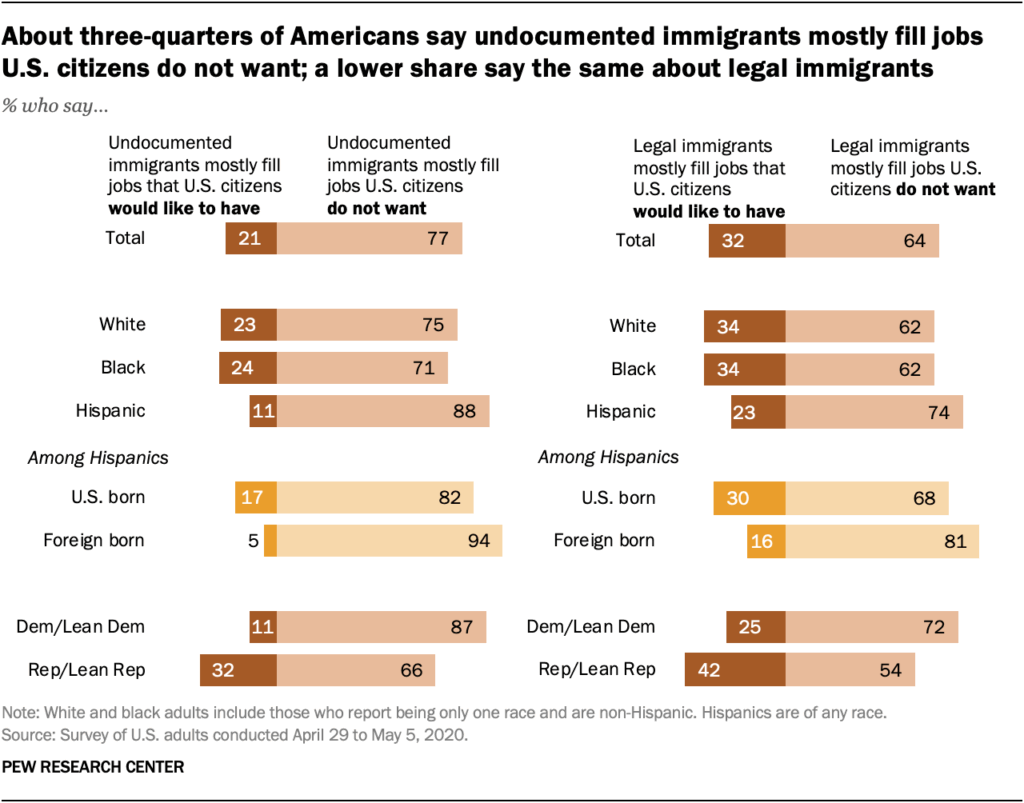
Undocumented workers are often employed in industries that rely heavily on manual labor, offer lower wages, and may have high turnover rates. Sectors such as agriculture, construction, food service, landscaping, and domestic work frequently employ undocumented laborers due to economic demand and labor shortages.
 Florida undocumented workers agriculture
These industries often depend on flexible and low-cost labor, which sometimes results in the hiring of undocumented individuals who, despite legal vulnerabilities, fill critical roles in the workforce. For instance, in agriculture, undocumented workers contribute significantly to harvesting crops, while in construction, they often perform physically demanding tasks.
The informal nature of these jobs can lead to underreporting and the creation of cash-based employment arrangements, which not only complicate tax compliance but also increase risks of workplace exploitation.
The presence of undocumented workers has complex social and economic implications. Economically, they contribute to growth by filling essential job roles, paying taxes (including sales and property taxes, and sometimes payroll taxes using false or borrowed identification), and stimulating demand for goods and services.
However, critics argue that undocumented labor can suppress wages in certain sectors and strain public services, though research shows mixed results on the overall fiscal impact. Socially, undocumented workers often live in fear of detection and deportation, limiting their access to healthcare, education, and legal protections.
 Florida undocumented workers law
Families may face separation, and communities may experience social fragmentation. On the other hand, many undocumented individuals establish deep community ties, raise families, and contribute culturally and economically, highlighting the need for balanced, humane policies.
| Term | Definition | Key Implication |
|---|---|---|
| Undocumented Workers | Individuals working without legal authorization in a country. | Often vulnerable to exploitation and lack access to legal protections. |
| Overstayed Visa | When a person remains in a country beyond their visa expiration date. | Can lead to unlawful status even if initial entry was legal. |
| Labor Exploitation | Unfair treatment such as low pay, unsafe conditions, or withheld wages. | Common due to workers' fear of deportation and lack of legal recourse. |
| Informal Employment | Jobs not regulated by the government, often paid in cash. | Increases tax evasion and reduces access to benefits like healthcare or unemployment insurance. |
| Right to Work | Legal permission to be employed in a country. | Undocumented workers lack this right, but still protected under basic labor standards. |
Frequently Asked Questions
What does undocumented workers mean?
Undocumented workers are individuals employed in a country without the legal authorization to live or work there. They often lack required government documents, such as work visas or residency permits. These workers may have entered the country illegally or overstayed their visas.
Despite their status, they frequently take on jobs in sectors like agriculture, construction, and domestic services, where demand for labor is high and oversight may be limited.
Are undocumented workers protected by labor laws?
In many countries, including the United States, undocumented workers are still protected by basic labor laws. They are entitled to minimum wage, safe working conditions, and protection from workplace discrimination or retaliation.
However, fear of deportation often prevents them from reporting abuses. Employers who exploit their status may face legal consequences. These rights exist regardless of immigration status to ensure fair treatment and uphold labor standards across all workplaces.
Why do employers hire undocumented workers?
Employers may hire undocumented workers to reduce labor costs, as some are willing to work for lower wages or in poor conditions. In industries with labor shortages, such as farming or hospitality, they may fill essential roles that others are less willing to take.
Additionally, some employers may not verify documentation thoroughly. While hiring undocumented workers is illegal in many countries, enforcement can be inconsistent, creating opportunities for such employment practices to continue.
Can undocumented workers access public services?
Undocumented workers typically have limited access to public services. They are often ineligible for benefits like federal healthcare, welfare programs, or public education beyond primary school.
However, some local governments provide access to emergency medical care or public schools for children. Access varies by country and region. Despite restrictions, they still contribute to the economy through sales taxes and, in some cases, paying into social security systems without being able to claim benefits.
Leave a Reply