
How much are undocumented workers paid
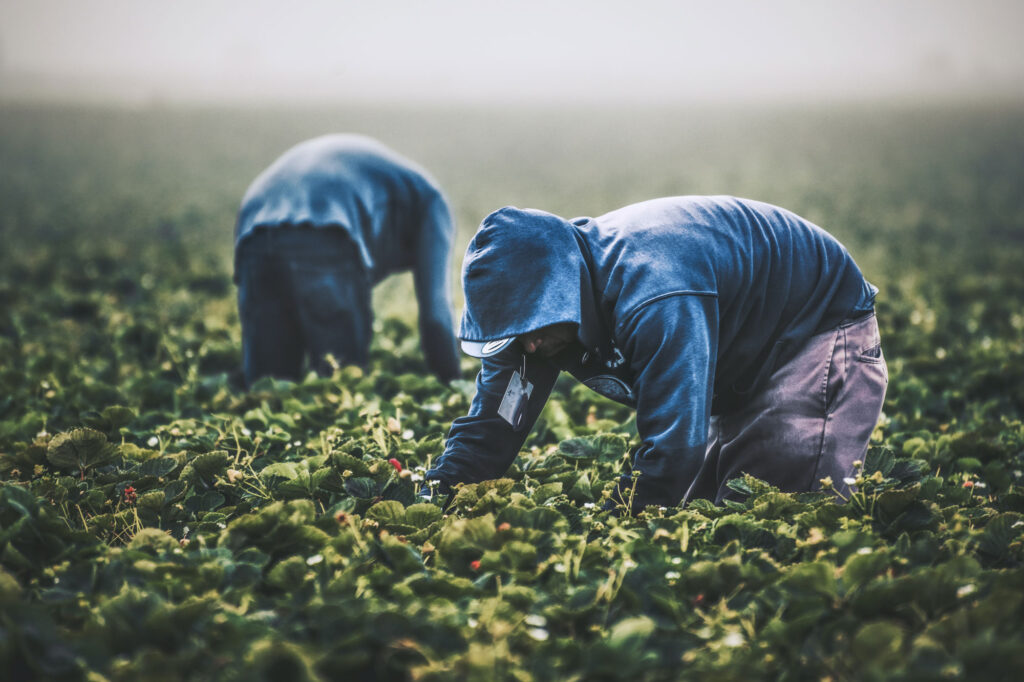
Undocumented workers play a significant role in various industries across the United States, including agriculture, construction, and hospitality. Despite their contributions, they often face exploitative labor conditions and receive wages far below legal standards.
Due to their immigration status, many are paid under the table, making it difficult to track exact earnings or enforce labor protections. Studies suggest that undocumented workers typically earn significantly less than their documented counterparts, with median hourly wages often falling below minimum wage.
This vulnerability stems from fear of deportation, lack of legal recourse, and limited access to worker advocacy resources, perpetuating a cycle of economic disadvantage.
 How much do undocumented workers contribute to social security
How Much Are Undocumented Workers Paid in the United States?
Undocumented workers in the United States often face significant economic disadvantages due to their immigration status, which frequently results in lower wages, lack of labor protections, and employment in high-risk or informal sectors.
While precise data is difficult to collect due to the hidden nature of this workforce, studies consistently show that undocumented workers earn substantially less than their documented counterparts.
According to research by the Pew Research Center and the Migration Policy Institute, the average annual income for undocumented workers is approximately $33,000, compared to about $58,000 for U.S.-born workers. This wage gap exists across industries such as agriculture, construction, food services, and domestic work, where undocumented labor is prevalent.
Employers may exploit legal vulnerabilities to pay below minimum wage, withhold overtime, or deny benefits, knowing that many undocumented workers are reluctant to report violations for fear of deportation. Additionally, lack of access to formal banking, social security benefits, and legal employment channels further entrenches their economic marginalization.
 Los angeles undocumented workers comp lawyer
Factors Influencing the Pay of Undocumented Workers
Several key factors influence how much undocumented workers are paid, including geographic location, industry type, level of education, English proficiency, and local labor demand.
In states with large immigrant populations and stricter labor enforcement—such as California or New York—wages for undocumented workers tend to be slightly higher due to stronger worker protections and advocacy networks. In contrast, in states with fewer protections or higher enforcement of immigration laws, workers are often paid less and operate in more precarious conditions.
Industries like agriculture and meat processing often pay by the piece or per crop harvested, which can result in earnings below minimum wage when averaged hourly. Moreover, undocumented workers typically lack access to union representation, legal recourse, and formal employment contracts, reducing their bargaining power and enabling exploitation.
Their inability to legally obtain driver’s licenses or professional certifications also limits job mobility and opportunities for higher-paying roles, reinforcing their concentration in low-wage, labor-intensive fields.
 Miami undocumented workers comp attorney
Wage Disparities by Sector and Occupation
Undocumented workers are disproportionately represented in certain sectors where wages vary significantly. In agriculture, for example, undocumented laborers may earn between $9 and $13 per hour, often paid per bucket of crops picked, while federal and state minimum wages typically range from $7.25 to over $15. However, due to the lack of consistent oversight, many are paid in cash below these rates.
In construction, undocumented workers performing tasks like drywall installation or roofing may earn $12 to $18 per hour, but often without benefits, insurance, or safety training. Domestic workers, including housekeepers and nannies, are particularly vulnerable, with many earning as little as $8 to $10 per hour and no overtime pay.
In the hospitality and food service industry, undocumented individuals often work as dishwashers, kitchen staff, or hotel cleaners for wages just above the minimum, despite long hours and physically demanding conditions. These disparities reflect not only the nature of the work but also the broader systemic underpayment and lack of accountability in sectors that rely heavily on immigrant labor.
Comparison of Earnings: Undocumented vs. Documented Workers
When comparing documented and undocumented workers, earnings differences are stark and persistent across education levels and experience.
 Percent of construction workers undocumented
A study by the National Academies of Sciences, Engineering, and Medicine found that, on average, undocumented workers earn 50% to 75% of what documented workers earn in similar roles. Even when controlling for factors like English fluency and education, the wage gap remains significant due to legal status.
For example, a documented construction worker with five years of experience may earn $25 per hour with benefits, while an undocumented worker doing the same job may be paid $15–$18 in cash, often without health insurance or job security.
In high-skilled fields, undocumented individuals with college degrees or technical training are usually forced into lower-wage positions due to their inability to obtain professional licenses or work authorization. This underemployment not only affects individuals but also contributes to broader economic inefficiencies and loss of tax revenue, as underpaid workers contribute to the economy without receiving proportional wages or benefits.
| Occupation | Typical Hourly Wage (Undocumented) | Typical Hourly Wage (Documented) | Notes |
|---|---|---|---|
| Agricultural Worker | $9–$13 | $12–$17 | Often paid by piece rate; frequent wage violations |
| Construction Laborer | $12–$18 | $18–$28 | Undocumented workers less likely to have safety gear or insurance |
| Housekeeper / Domestic Worker | $8–$10 | $13–$18 | Bargaining power is low; few protections under labor law |
| Food Preparation Worker | $10–$12 | $12–$15 | Overtime often unpaid for undocumented employees |
| Landscaping / Groundskeeping | $11–$14 | $14–$19 | Mostly cash payments; limited access to equipment or training |
Understanding the Wage Realities of Undocumented Workers in the U.S.
Undocumented workers in the United States often face significant challenges when it comes to fair compensation, frequently earning below minimum wage due to their lack of legal work authorization and vulnerability to exploitation.
 Undocumented agricultural workers
Employers may take advantage of their status by paying in cash, avoiding payroll taxes, and withholding wages without consequence, resulting in an informal economy where wage theft is widespread.
These workers are heavily concentrated in low-wage industries such as agriculture, construction, landscaping, and domestic services, where oversight is minimal and enforcement of labor laws is inconsistent. Fear of deportation prevents many from reporting violations or seeking legal recourse, further entrenching their economic marginalization.
While exact earnings vary by region, sector, and local demand, research consistently shows that undocumented workers are paid substantially less than their documented counterparts for the same work, highlighting deep inequities in the labor market.
Factors Influencing Pay Rates for Undocumented Workers
Several key factors shape how much undocumented workers are paid, including geographic location, local labor demand, language proficiency, education level, and the specific industry they work in.
In regions with high immigrant populations and competitive labor markets, wages may be slightly higher, though still often below legal minimums. Conversely, in rural or isolated areas with fewer job opportunities, undocumented workers may accept extremely low pay out of necessity.
The absence of legal documentation severely limits access to better-paying, regulated jobs, forcing many into the informal economy where wages are unmonitored and protections are nonexistent. Additionally, employers who knowingly hire undocumented workers can exploit this power imbalance to suppress wages, knowing that these employees are unlikely to report abuses.
Comparison of Undocumented and Documented Worker Wages
Studies show a noticeable wage gap between undocumented and documented workers, even when performing identical tasks and possessing similar skill levels.
On average, undocumented workers earn significantly less, often due to exclusion from formal employment channels that offer benefits, overtime, and minimum wage protections. This disparity is driven not only by legal status but also by systemic barriers such as discrimination, limited access to education or training, and lack of bargaining power.
In sectors like construction and food service, documented workers may earn 20% to 50% more than their undocumented peers for the same job. This wage suppression affects not only undocumented individuals but can also depress wages for all low-skilled workers in the same labor markets.
Industries Where Undocumented Workers Are Most Underpaid
Undocumented labor is most concentrated in industries known for low wages and poor labor protections, such as agriculture, hospitality, meatpacking, and residential cleaning services.
In agriculture, for example, many undocumented farmworkers are paid per unit harvested rather than by the hour, leading to earnings well below federal minimum wage when calculated. In construction, day laborers are often paid in cash at rates far below union or standard wages, with no benefits or job security.
The domestic work sector, including nannies and housekeepers, is especially prone to wage violations due to its isolated nature and lack of oversight. These industries thrive on a flexible, low-cost workforce, with undocumented individuals often bearing the brunt of economic pressures.
The Role of Fear and Exploitation in Wage Suppression
Fear of deportation is a primary tool employers use to control and underpay undocumented workers, creating an atmosphere where wage violations go unchallenged. Many workers are unaware of their basic labor rights or believe that reporting abuse will lead to immigration consequences, making them susceptible to threats and retaliation.
This climate of fear enables systematic exploitation, including unpaid overtime, refusal to pay for completed work, and denial of workplace safety measures.
In some cases, employers confiscate identification documents or use predatory lending practices to further entrap workers. The combination of isolation, lack of legal recourse, and economic desperation allows exploitative practices to persist with little accountability.
Regional Differences in Undocumented Worker Compensation
Wages for undocumented workers vary dramatically across U.S. regions, influenced by local economies, cost of living, and state-level labor enforcement.
In states with strong labor protections like California and New York, undocumented workers may receive higher pay and sometimes benefit from state-specific safeguards such as wage theft laws or worker hotlines. In contrast, in states with weak enforcement and anti-immigrant policies, wages are often lower and violations more common.
Urban areas generally offer higher pay due to greater demand and larger informal networks, while rural regions may offer fewer opportunities and lower compensation. These regional disparities reflect broader structural inequalities in how labor is valued and regulated across the country.
Frequently Asked Questions
How much do undocumented workers typically earn in the U.S.?
Undocumented workers in the U.S. often earn between $12 and $15 per hour, though wages vary widely by industry, location, and job type. Many work in agriculture, construction, or service jobs where pay is below average. Due to lack of legal protections, some are paid less than minimum wage. Exact earnings are hard to track since informal payments and cash wages are common, making reliable national data difficult to obtain.
Are undocumented workers paid less than legal workers?
Yes, undocumented workers are often paid less than their legal counterparts. Employers may exploit their immigration status to offer lower wages or deny benefits. Without legal work authorization, these workers have limited power to challenge unfair pay. They are also less likely to report wage theft due to fear of deportation. This creates an environment where subminimum pay and poor working conditions are common in certain industries.
Do undocumented workers receive minimum wage protections?
Legally, undocumented workers are entitled to minimum wage under the Fair Labor Standards Act (FLSA). However, enforcement is weak, and many employers pay below minimum wage knowing workers may not report violations. Fear of deportation prevents many from seeking legal help. While courts have affirmed their right to fair pay, in practice, these protections are often ignored, leaving undocumented workers vulnerable to exploitation and underpayment across various industries.
Which industries pay undocumented workers the most?
Undocumented workers in construction, manufacturing, and certain skilled trades often earn higher wages compared to those in agriculture or domestic work. While exact figures are scarce, documented cases show that experience and demand can lead to better pay in specialized roles. However, even in higher-paying sectors, undocumented workers typically earn less than documented peers due to lack of formal contracts and fear of asserting labor rights.
Leave a Reply