
Systemic racial discrimination
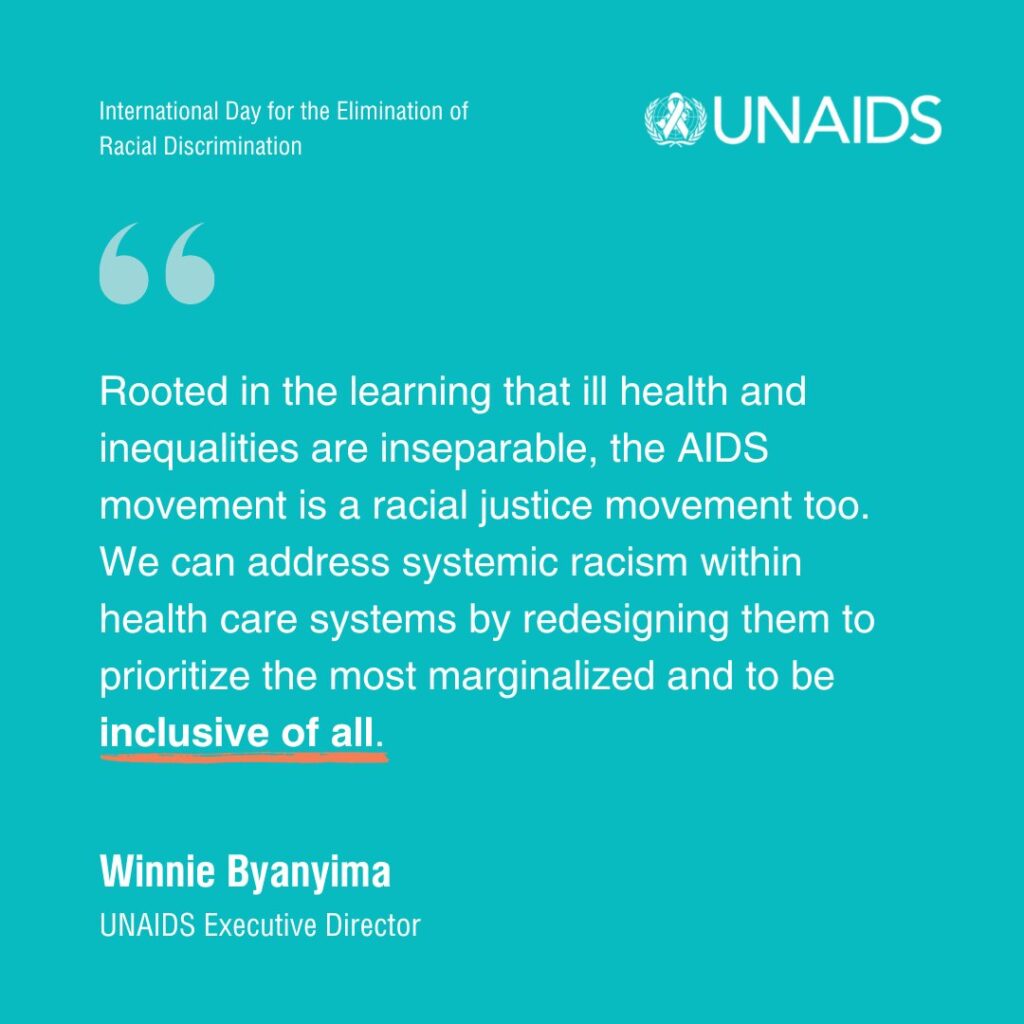
Systemic racial discrimination remains a deeply rooted issue in societies worldwide, perpetuating inequality through institutions and policies that disproportionately affect marginalized communities.
It operates beyond individual prejudice, embedded in legal, economic, and social systems that shape access to education, housing, employment, and justice. Despite progress in civil rights, structural barriers continue to limit opportunities for people of color.
This article examines the historical origins, current manifestations, and lasting impacts of systemic racism, highlighting how unconscious biases and institutional practices reinforce inequities. Addressing this complex challenge requires acknowledging its existence and committing to comprehensive reform across all levels of society.
 Sexual harassment training requirements california
Understanding Systemic Racial Discrimination in Modern Societies
Systemic racial discrimination refers to the deeply entrenched practices, policies, and structures within institutions that perpetuate racial inequalities across generations. Unlike individual acts of prejudice, systemic racism operates at an institutional level—impacting education, healthcare, housing, employment, and the criminal justice system.
These disparities are often codified into laws or reinforced through social norms, making them difficult to dismantle. For example, historically redlined neighborhoods continue to experience underfunding in schools and public services, contributing to persistent wealth and opportunity gaps.
Because systemic racial discrimination is often invisible to those not directly affected, it requires proactive recognition, policy reform, and long-term commitment to equity to be effectively addressed. Its endurance underscores the importance of understanding how historical injustices shape present-day realities for marginalized racial and ethnic groups.
Historical Roots of Systemic Racial Discrimination
The foundations of systemic racial discrimination are deeply rooted in colonialism, slavery, segregation, and exclusionary immigration policies that established racial hierarchies across many nations, particularly in the United States, South Africa, and parts of Latin America and Europe.
 Sexual harassment and hostile work environment claims
These historical practices created legal and social frameworks that privileged certain racial groups while systematically disadvantaging others, particularly Black, Indigenous, and other people of color. Even after the formal abolition of discriminatory laws, such as Jim Crow in the U.S. or apartheid in South Africa, their legacies persist through unequal access to resources and opportunities.
The intergenerational transmission of disadvantage—through underfunded schools, limited homeownership, and biased hiring practices—demonstrates how historical injustices are embedded in contemporary systems. Recognizing this history is essential for understanding how current policies, even when race-neutral on the surface, can have racially discriminatory outcomes.
Manifestations of Systemic Racism in Key Institutions
Systemic racial discrimination manifests in various institutions through patterns of unequal treatment and outcomes. In the criminal justice system, people of color, particularly Black and Latino individuals, are disproportionately targeted, arrested, and sentenced more harshly than their white counterparts for similar offenses.
In education, schools in predominantly non-white neighborhoods often receive less funding, resulting in fewer resources, less experienced teachers, and lower graduation rates. The healthcare system exhibits disparities in access, treatment quality, and health outcomes, with racial minorities facing higher rates of chronic illness and maternal mortality.
 Federal employee sexual harassment
Additionally, discriminatory lending practices and residential segregation contribute to persistent gaps in wealth accumulation and homeownership. These institutional patterns are not the result of individual bias alone but stem from policies and structural norms that perpetuate racial inequities across sectors.
Strategies to Combat and Dismantle Systemic Racism
Dismantling systemic racial discrimination requires comprehensive, coordinated efforts that go beyond symbolic gestures to address root causes and institutional practices. Policy reforms such as equitable school funding, criminal justice reform, and inclusive hiring practices are critical to creating more just systems.
The implementation of racial equity impact assessments can help governments and organizations evaluate how policies affect different racial groups before enactment. Community-led initiatives and increased representation of marginalized groups in decision-making roles ensure that solutions are culturally informed and responsive.
Additionally, public education and awareness campaigns can challenge implicit biases and promote empathy and allyship. Sustainable change also depends on rigorous data collection and transparency to track progress and hold institutions accountable for advancing racial equity.
 Sexual harassment in white collar workplaces
| Area of Life | Impact of Systemic Racial Discrimination | Potential Interventions |
|---|---|---|
| Criminal Justice | Higher incarceration rates for people of color; racial profiling; sentencing disparities | Police reform; sentence reduction policies; community oversight boards |
| Education | Underfunded schools in minority neighborhoods; achievement gaps; lower college enrollment | Equitable funding formulas; culturally responsive curricula; mentorship programs |
| Healthcare | Unequal access to care; racial bias in treatment; higher mortality rates | Diversifying healthcare workforce; anti-bias training; expanded Medicaid |
| Employment | Lower hiring rates; wage gaps; fewer promotions for minorities | Blind recruitment; pay transparency; diversity and inclusion programs |
| Housing | Redlining legacy; limited access to mortgages; residential segregation | Anti-discrimination enforcement; affordable housing initiatives; zoning reform |
Frequently Asked Questions
What is systemic racial discrimination?
Systemic racial discrimination refers to policies, practices, and structures within institutions that disadvantage racial minorities, even if unintentionally. It is embedded in areas like education, housing, employment, and criminal justice. Unlike individual racism, systemic discrimination persists over time and across organizations, perpetuating inequality through established norms and procedures that disproportionately harm people of color.
How does systemic racial discrimination differ from individual racism?
Systemic racial discrimination operates at an institutional level, affecting policies and societal structures, while individual racism involves personal prejudices and actions. Systemic discrimination persists regardless of individual intent and can continue even when people are not overtly racist. It is maintained through long-standing practices in institutions, whereas individual racism stems from personal beliefs and behaviors toward people of different races.
What are examples of systemic racial discrimination in the workplace?
Examples include biased hiring practices, unequal access to promotions, wage gaps between racial groups, and lack of diversity in leadership. Companies may use recruitment methods that exclude certain communities or apply performance evaluations unfairly. These practices often go unnoticed but consistently limit opportunities for people of color, reinforcing racial disparities in income and career advancement across industries and economic sectors.
Can laws eliminate systemic racial discrimination?
Laws can help reduce systemic racial discrimination by setting standards and enabling legal challenges, but they cannot eliminate it alone. While civil rights legislation has made progress, deeply rooted structural inequities often persist through indirect practices. Lasting change requires ongoing policy reform, institutional accountability, public awareness, and proactive efforts to address historical disadvantages embedded in social and economic systems.
Leave a Reply