
what is the primary purpose of osha's bloodborne pathogens standard
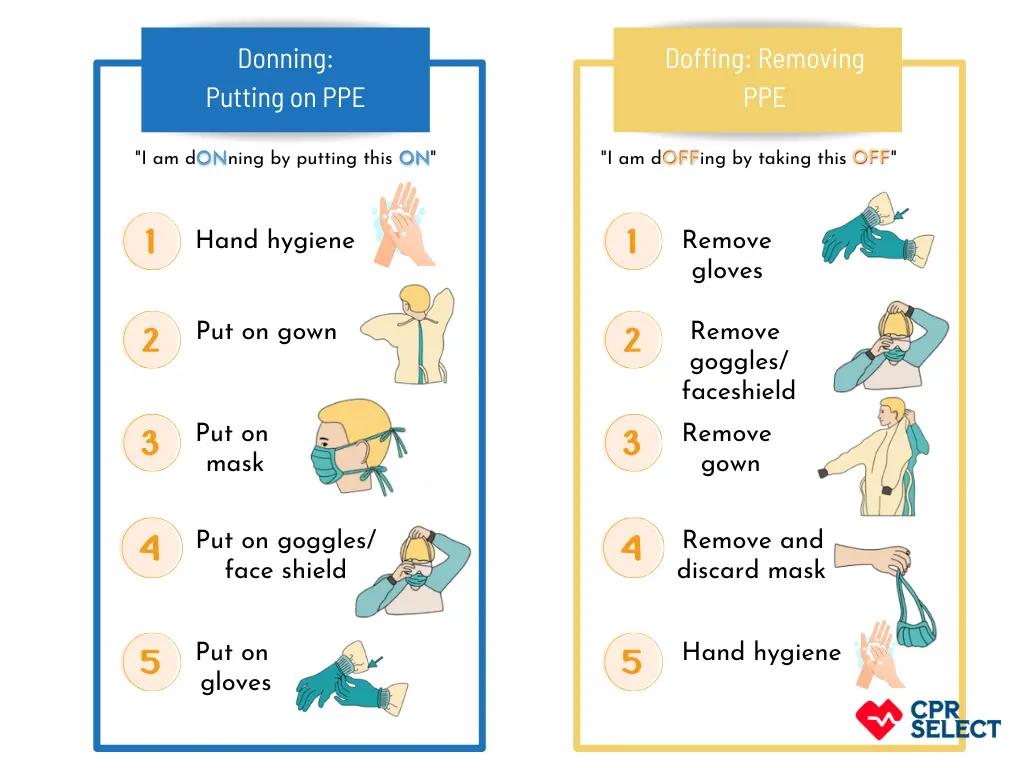
The primary purpose of OSHA's Bloodborne Pathogens Standard is to protect workers from health hazards associated with exposure to blood and other potentially infectious materials. Established to reduce the risk of transmission of diseases such as HIV, hepatitis B, and hepatitis C, the standard mandates specific safeguards in workplaces where employees may encounter contaminated materials. Employers must implement exposure control plans, provide personal protective equipment, offer medical evaluations and vaccinations, and ensure proper training and labeling. These measures collectively aim to minimize occupational exposure through a combination of engineering and work practice controls, ultimately promoting a safer and healthier work environment across healthcare and other at-risk industries.
What Is the Primary Purpose of OSHA's Bloodborne Pathogens Standard?
The primary purpose of OSHA's Bloodborne Pathogens Standard is to protect workers from the health hazards associated with exposure to blood and other potentially infectious materials (OPIM). Established by the Occupational Safety and Health Administration (OSHA) under 29 CFR 1910.1030, this regulation aims to minimize or eliminate occupational exposure to pathogens such as the hepatitis B virus (HBV), hepatitis C virus (HCV), and human immunodeficiency virus (HIV). The standard applies to all employees who have a reasonable anticipated risk of coming into contact with blood or OPIM during the performance of their duties. It mandates the implementation of protective measures including exposure control plans, use of engineering and work practice controls, personal protective equipment (PPE), employee training, hepatitis B vaccinations, and proper procedures for handling exposure incidents.
Protection of Workers from Infectious Diseases
The Bloodborne Pathogens Standard is designed to safeguard employees from serious and potentially life-threatening infectious diseases transmitted through blood and body fluids. Many occupations—including healthcare workers, emergency responders, janitorial staff, and public service personnel—are at increased risk of exposure due to contact with needles, sharps, or contaminated materials. OSHA's standard requires employers to assess job roles for potential exposure risks and implement controls to reduce or eliminate contact with infectious agents. By promoting proactive safety strategies, such as immediate cleanup of spills and proper disposal of contaminated waste, the standard ensures that workers are shielded from pathogens like HIV and hepatitis, significantly reducing the likelihood of workplace transmission.
 Osha has created a bloodborne pathogens standard
Implementation of Exposure Control Plans
One of the most critical requirements of the Bloodborne Pathogens Standard is the development and enforcement of an Exposure Control Plan (ECP) by employers. This written document identifies jobs and tasks with potential exposure to bloodborne pathogens and outlines employer strategies to protect those employees. The plan must be reviewed and updated at least annually and whenever changes in tasks or procedures affect employee exposure. It must include an evaluation of engineering controls (e.g., sharps disposal containers), work practice controls (e.g., handwashing policies), and procedures for handling exposure incidents. The ECP serves as a tailored roadmap for maintaining a safe work environment and must be accessible to employees at all times.
Requirement for Training and Preventive Measures
OSHA mandates that employees at risk receive comprehensive training on bloodborne pathogens, which must be conducted at initial assignment and repeated annually. This training covers topics such as transmission routes of diseases, use of Personal Protective Equipment (PPE), and procedures for post-exposure evaluation and follow-up. Employers are also required to provide the hepatitis B vaccination series at no cost to the employee within ten days of job assignment where exposure risk exists. In the event of an exposure incident, the standard demands a prompt evaluation and follow-up, including documentation, medical assessment, and counseling. These preventive actions form the cornerstone of the standard’s objective to foster a safer and more informed workforce.
| Key Component | Description | OSHA Requirement |
|---|---|---|
| Exposure Control Plan | Written plan identifying jobs with exposure risk and methods to reduce or eliminate exposure. | Mandatory for all employers with at-risk employees; must be reviewed annually. |
| Engineering Controls | Devices such as sharps disposal containers and needleless systems to isolate or remove hazards. | Must be used to reduce exposure risk wherever feasible. |
| Personal Protective Equipment (PPE) | Includes gloves, gowns, masks, and eye protection to prevent contact with infectious materials. | Must be provided free of charge and properly maintained by the employer. |
| Hepatitis B Vaccination | Vaccine series protecting against HBV infection. | Must be offered within 10 days of initial assignment; employee may decline in writing. |
| Employee Training | Annual education on bloodborne pathogens, transmission, and protective practices. | Required and must be interactive, accessible, and provided during work hours. |
Frequently Asked Questions
What is the primary purpose of OSHA's Bloodborne Pathogens Standard?
The primary purpose of OSHA's Bloodborne Pathogens Standard is to protect workers from health hazards associated with exposure to blood and other potentially infectious materials. It establishes requirements for exposure control plans, personal protective equipment, training, and proper handling of contaminated materials to minimize the risk of infection from pathogens like HIV, hepatitis B, and hepatitis C in the workplace.
Who is covered under OSHA's Bloodborne Pathogens Standard?
OSHA's Bloodborne Pathogens Standard applies to all employees who have a reasonable chance of coming into contact with blood or other infectious materials during their job duties. This includes healthcare workers, emergency responders, janitorial staff in medical facilities, and others in occupations where exposure may occur. Employers must identify at-risk employees and implement protective measures as required by the standard.
 Osha bloodborne pathogens standard 1910.1030 training requirement
What are key requirements of the Bloodborne Pathogens Standard?
Key requirements include developing an exposure control plan, providing hepatitis B vaccinations, ensuring the use of personal protective equipment (PPE), implementing proper procedures for handling sharps, offering post-exposure evaluation and follow-up, and conducting annual employee training. Engineering and work practice controls must also be used to reduce or eliminate exposure risks. These measures help maintain a safer workplace for at-risk employees.
How does the Bloodborne Pathogens Standard reduce workplace risks?
The standard reduces workplace risks by mandating safeguards such as engineering controls (e.g., safety needles), work practice controls (e.g., proper disposal of sharps), and PPE like gloves and face shields. It also requires training and prompt post-exposure evaluation, which helps prevent infections from bloodborne pathogens. Consistent application of these measures significantly lowers the likelihood of occupational exposure and related illnesses.
Leave a Reply