
Sexual harassment lawsuits
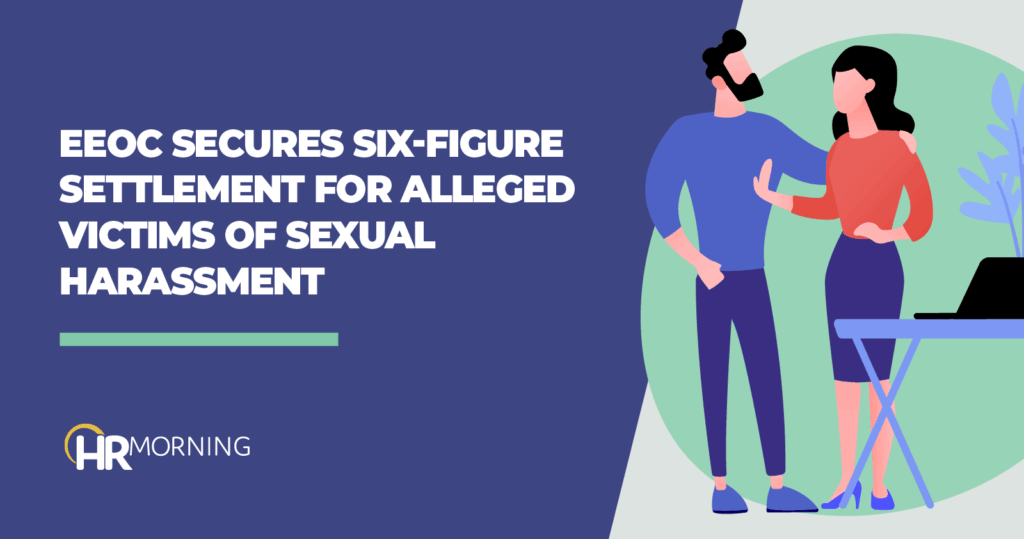
Sexual harassment lawsuits have become a critical issue in workplaces across industries, shedding light on pervasive misconduct and systemic failures. These legal actions empower survivors to seek justice, holding individuals and organizations accountable for hostile environments and abusive behavior.
High-profile cases have sparked public discourse, prompting companies to reevaluate policies and strengthen prevention measures. Beyond financial settlements, these lawsuits often lead to cultural shifts, encouraging transparency and support for victims.
However, challenges remain, including fear of retaliation and unequal access to legal recourse. As awareness grows, so does the demand for comprehensive reforms to ensure safer, more respectful professional environments for all.
 How to do layoffs right
Understanding Sexual Harassment Lawsuits: Legal Pathways and Employee Protections
Sexual harassment lawsuits are legal actions initiated by individuals who have experienced unwanted sexual advances, requests for sexual favors, or other verbal or physical conduct of a sexual nature in the workplace or educational environments.
These lawsuits are grounded in laws such as Title VII of the Civil Rights Act of 1964 in the United States, which prohibits employment discrimination based on sex, including sexual harassment. Victims may file a claim if the conduct creates a hostile work environment or results in tangible employment actions, such as demotion or termination.
To pursue a lawsuit, the individual typically must first file a complaint with a government agency like the Equal Employment Opportunity Commission (EEOC), which investigates and may issue a right-to-sue letter. These lawsuits not only seek monetary compensation for emotional distress and lost wages but also aim to enforce systemic change within institutions by holding employers accountable for preventing and addressing harassment.
Types of Sexual Harassment Recognized in Legal Claims
There are two primary categories of sexual harassment recognized in U.S. law: quid pro quo and hostile work environment. Quid pro quo harassment occurs when employment decisions—such as hires, promotions, or continued employment—are contingent upon submitting to sexual advances.
 What are my rights after a layoff
This form of harassment usually involves someone in a position of authority exploiting their power. In contrast, a hostile work environment claim arises when unwelcome sexual conduct is so frequent or severe that it creates an intimidating, offensive, or abusive atmosphere that interferes with an employee’s work performance.
This can include inappropriate jokes, comments, images, or physical contact. Courts evaluate whether a reasonable person would find the environment hostile and whether the employer knew or should have known about the behavior and failed to act.
Legal Procedures and Timelines for Filing a Sexual Harassment Lawsuit
Before filing a sexual harassment lawsuit in court, a complainant must typically go through administrative steps. First, they must file a charge with the EEOC or a comparable state agency within a strict timeframe—usually 180 days of the incident, though this may be extended to 300 days in certain jurisdictions.
The agency then investigates the claim, which may involve interviews, document review, and attempts at mediation. If the EEOC determines there is reasonable cause, it may attempt to settle the case or issue a Notice of Right to Sue, allowing the individual to proceed to federal court.
 What my rights after layoff
The lawsuit must generally be filed within 90 days of receiving this notice. Missing these deadlines can result in the permanent loss of legal rights, making timeliness and early legal consultation crucial for claimants.
Employer Responsibilities and Potential Liability
Employers are legally obligated to prevent and address sexual harassment in the workplace. Under vicarious liability principles, organizations can be held responsible for harassment by supervisors, especially if it results in a tangible employment action.
However, employers may have a defense if they exercised reasonable care to prevent harassment—such as implementing clear anti-harassment policies, providing regular training, and establishing reporting mechanisms—and the employee unreasonably failed to use those resources.
For harassment by coworkers or third parties, employers can still be liable if they knew or should have known about the conduct and did not take prompt and effective corrective action. Courts increasingly emphasize a company’s proactive measures in assessing liability, making strong internal compliance systems essential.
| Aspect | Description | Key Legal Term or Requirement |
|---|---|---|
| Type of Harassment | Includes quid pro quo and hostile work environment. | Hostile work environment, Quid pro quo |
| Filing Agency | Complaint must first be filed with the EEOC or state equivalent. | EEOC charge, Right-to-sue letter |
| Time Limits | Usually 180–300 days to file with EEOC; 90 days to sue after right-to-sue letter. | Filing deadlines, Statute of limitations |
| Employer Defenses | Employers may avoid liability if they took preventive measures and employee failed to report. | Reasonable care, Employee reporting duty |
| Remedies Available | May include back pay, compensatory damages, punitive damages, and policy changes. | Monetary compensation, Injunctive relief |
Frequently Asked Questions
What qualifies as sexual harassment in the workplace?
Unwanted sexual advances, requests for sexual favors, and other verbal or physical conduct of a sexual nature constitute sexual harassment when submission is made a condition of employment or when the conduct creates a hostile, intimidating, or offensive work environment. Both physical and verbal acts, including offensive jokes or comments, can be grounds for a harassment claim under federal and state laws.
Who can file a sexual harassment lawsuit?
Any employee, job applicant, or contractor who has experienced sexual harassment in the workplace can file a lawsuit. This includes people of any gender, sexual orientation, or job status. Victims must typically first file a complaint with a government agency like the EEOC before pursuing legal action in court. Immediate reporting increases the strength of a potential claim.
What damages can be recovered in a sexual harassment lawsuit?
Victims of sexual harassment may recover compensatory damages for emotional distress, lost wages, and medical expenses. In cases of willful employer misconduct, punitive damages may also be awarded. The amount awarded depends on the severity of the harassment, the impact on the victim, and the employer’s response. Each case is evaluated individually in court.
How long do I have to file a sexual harassment claim?
The deadline to file a sexual harassment claim varies by state, but you typically have 180 to 300 days from the incident to file a charge with the EEOC. Some states have longer statutes of limitations for filing a lawsuit in court. It is crucial to act quickly and consult an attorney to protect your legal rights.
Leave a Reply