
Osha welding standards
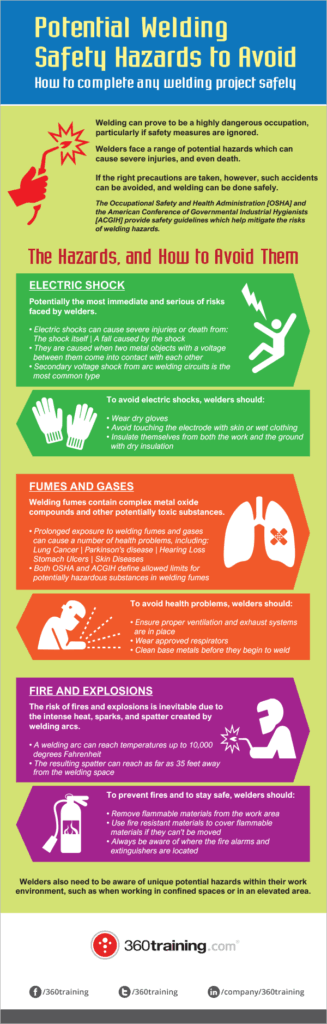
Welding is a critical process in construction, manufacturing, and metal fabrication, but it carries inherent risks that demand strict safety regulations. The Occupational Safety and Health Administration (OSHA) establishes comprehensive welding standards to protect workers from hazards such as electric shock, fumes, fires, and explosions.
These standards cover protective equipment, ventilation, safe work practices, and proper handling of compressed gases. Compliance with OSHA welding regulations not only ensures workplace safety but also minimizes the risk of costly violations and downtime.
Understanding and implementing these guidelines is essential for employers and workers alike in maintaining a safe and productive work environment across various industrial settings.
 Racially discriminating
Understanding OSHA Welding Standards: Ensuring Safety in the Workplace
The Occupational Safety and Health Administration (OSHA) establishes and enforces welding standards to protect workers from the numerous hazards associated with welding operations. These standards cover a broad spectrum of safety concerns, including exposure to toxic fumes and gases, intense light, extreme heat, fire risks, and electrical hazards.
OSHA welding regulations are primarily found in 29 CFR 1910, Subpart Q (Welding, Cutting, and Brazing), which outlines requirements for ventilation, protective equipment, fire prevention, training, and safe work practices.
Compliance with these standards is mandatory for all employers in general industry and construction, and regular inspections are conducted to ensure adherence. By strictly following OSHA welding standards, employers can significantly reduce the risk of injury, improve overall workplace safety, and maintain legal compliance.
Key Safety Requirements Under OSHA Welding Regulations
OSHA welding standards mandate several critical safety measures to protect workers during welding, cutting, and brazing operations. These include the use of appropriate personal protective equipment (PPE) such as flame-resistant clothing, welding helmets with proper filter lenses, face shields, gloves, and respiratory protection when necessary.
 Real life examples of racial discrimination
Employers must ensure that all welding areas are free from flammable materials and that fire extinguishers or fire watch personnel are present when welding is conducted near combustible substances.
Additionally, ventilation systems must be used to control exposure to hazardous fumes and gases like ozone, nitrogen oxides, and metal fumes. OSHA also requires that only trained and authorized personnel perform welding tasks, and that all equipment be inspected and maintained regularly to prevent malfunctions.
Exposure Limits and Air Contaminant Control
One of the most critical aspects of OSHA welding standards is the regulation of air contaminants generated during welding processes.
OSHA sets permissible exposure limits (PELs) for various hazardous substances, such as manganese, chromium, nickel, and hexavalent chromium, which can be released when welding certain types of metals. Employers must conduct air quality monitoring to ensure worker exposure remains below these PELs.
 San diego racial discrimination lawyer
When engineering controls like local exhaust ventilation or fume extraction systems are insufficient, respiratory protection such as NIOSH-approved respirators must be provided. Additionally, OSHA requires that material safety data sheets (MSDS) or Safety Data Sheets (SDS) be accessible to workers so they are informed about the materials they are handling and the risks involved.
Training, Certification, and Compliance Procedures
OSHA welding standards emphasize the importance of comprehensive worker training to ensure safe practices are consistently followed. Workers must be trained in hazard recognition, proper use of PPE, fire safety, and emergency procedures.
Employers are required to provide job-specific instruction based on the type of welding performed, the materials involved, and the work environment. While OSHA does not issue welding certifications, it mandates that all welding personnel be qualified and that their training be documented.
Employers must also establish written safety programs, conduct regular equipment inspections, and maintain records of exposure monitoring and training sessions. Non-compliance with OSHA welding standards can result in significant fines, citations, and increased risk of workplace accidents, making adherence essential.
| OSHA Standard | Key Requirement | Purpose |
|---|---|---|
| 29 CFR 1910.252 | Fire prevention and protection during welding | Prevents fires and explosions by controlling ignition sources and combustible materials |
| 29 CFR 1910.132 | Provision of appropriate PPE | Protects workers from burns, eye injuries, and inhalation hazards |
| 29 CFR 1910.1000 | Permissible exposure limits (PELs) for air contaminants | Limits worker exposure to toxic fumes and gases produced during welding |
| 29 CFR 1910.134 | Respiratory protection program | Ensures safe breathing conditions when ventilation is inadequate |
| 29 CFR 1926.350 | Safe handling of compressed gas cylinders | Prevents leaks, ruptures, and explosions from gas cylinders used in welding |
Frequently Asked Questions
What are OSHA's general requirements for welding in confined spaces?
OSHA requires that welding in confined spaces be conducted with adequate ventilation to prevent the accumulation of toxic fumes and gases. A permit system must be used for permit-required confined spaces. Workers must be protected from fire, explosions, and asphyxiation. Atmospheric testing is required before and during work. Only trained personnel may enter, and emergency rescue procedures must be established and readily available to ensure safety.
Does OSHA require eye protection for welding operations?
Yes, OSHA mandates eye protection for all welding operations. Welders must use approved helmets with proper filter lenses to shield against intense ultraviolet and infrared radiation. Assistant workers and nearby personnel must also wear appropriate eye protection. OSHA requires that filter shades be suitable for the specific welding process and current level to prevent eye damage such as arc eye or retinal burns.
Are fire prevention measures required during welding under OSHA standards?
Yes, OSHA requires fire prevention measures during welding operations. Combustible materials must be removed or shielded within a 35-foot radius. A fire watch must be assigned when welding is performed near flammable materials or in areas where hidden fires could start. Fire extinguishing equipment must be readily available. These measures help prevent fires and ensure a quick response if ignition occurs.
What ventilation standards does OSHA set for indoor welding?
OSHA requires sufficient ventilation in indoor welding areas to control airborne contaminants. Natural ventilation may be acceptable for light welding, but mechanical ventilation is required for heavier operations. Local exhaust systems, such as fume extractors, must capture fumes at the source. In confined spaces, auxiliary ventilation is mandatory. Employers must ensure that air quality remains safe to prevent respiratory issues and long-term health hazards for welders.
Leave a Reply