
Osha lockout tagout standard 1910.147 summary

The OSHA Lockout/Tagout standard, codified as 29 CFR 1910.147, is a critical workplace safety regulation designed to protect employees from the unexpected startup of machinery or the release of hazardous energy during servicing and maintenance activities.
This standard mandates the implementation of procedures to control dangerous energy sources, ensuring that machines are properly shut down and isolated before work begins. It requires the use of lockout and tagout devices, clear procedures, employee training, and periodic inspections.
Failure to comply poses serious risks, including injury or death. This summary outlines the key provisions and compliance requirements essential for maintaining workplace safety under the OSHA standard.
 Workers compensation claim adjudication fees
Overview of the OSHA Lockout/Tagout Standard 1910.147
The OSHA Lockout/Tagout (LOTO) standard, codified under 29 CFR 1910.147, is a critical workplace regulation designed to protect employees from the unexpected energization, startup, or release of stored energy during service or maintenance of machines and equipment.
This standard mandates strict procedures for controlling hazardous energy sources to prevent injuries such as electrocution, burns, crushing, amputations, and other serious harms.
It applies to a wide range of energy sources, including electrical, mechanical, hydraulic, pneumatic, chemical, thermal, and others, emphasizing the use of lockout devices—which physically prevent energy isolation—and tagout devices, which provide warning labels when physical locks are not feasible.
Employers are required to develop, implement, and document an energy control program, ensuring that only authorized employees perform LOTO procedures, and that all affected workers are trained on the purpose and function of the energy control systems. Compliance with 1910.147 includes periodic inspections of LOTO procedures—at least annually—and thorough employee training to reinforce safety protocols and reinforce accountability in industrial environments.
 Workers compensation disability attorney
Key Requirements of the OSHA LOTO Standard
The OSHA Lockout/Tagout standard outlines several core requirements that employers must follow to ensure worker safety during equipment maintenance. First, a written Energy Control Program must be developed and implemented, containing specific procedures for shutting down, isolating, blocking, and securing machines to control hazardous energy.
Each procedure must detail the isolation of energy sources, the specific methods for locking or tagging out, and the steps for verifying that equipment is effectively de-energized. Authorized employees—those who lock out machines—must be trained in recognizing energy sources and using LOTO devices properly.
Moreover, affected employees—who operate or use the equipment—must understand the purpose of the LOTO program and not attempt to restart locked-out machinery. The standard also requires periodic inspections of LOTO procedures, conducted at least annually by an authorized employee not involved in the procedure, to ensure ongoing compliance and correct use of the protocol.
Application and Scope of 1910.147
The OSHA 1910.147 standard applies broadly across general industry sectors, covering the servicing and maintenance of machines and equipment where the unexpected energization could cause injury. It specifically excludes certain activities and industries, such as construction, agriculture, and marine terminals, which have separate regulations.
 Workers compensation doctor hudson county
Additionally, the standard does not apply to normal production operations, minor tool changes, or routine tasks that are integral to production, unless they expose workers to hazardous energy. It governs the control of all types of hazardous energy, emphasizing procedures for electrical circuits, mechanical systems, hydraulic accumulators, and pneumatic systems.
Employers must determine whether a task requires LOTO by evaluating the risk of energy release and ensure that control measures are proportional to the hazard. This scope ensures that only high-risk maintenance and repair tasks are subjected to the full LOTO process, balancing safety with practical operational needs.
Lockout vs. Tagout: Devices and Procedures
Under OSHA 1910.147, both lockout and tagout are methods used to control hazardous energy, but they differ in effectiveness and application.
Lockout involves the use of a lock (typically a hasp or keyed device) to physically prevent the restoration of energy to a machine, ensuring it cannot be activated while maintenance is underway. This method is preferred because it provides a physical barrier and higher level of safety.
 Workers compensation doctor little ferry
In contrast, tagout uses a warning tag attached to an energy-isolating device, indicating that equipment must not be operated. However, since tags do not provide physical restraint, OSHA requires additional safety measures when tagout is used, such as extra training, inspections, and procedural controls to offset the higher risk.
The standard specifies that lockout devices must be durable, standardized, and identifiable, while tagout devices must clearly indicate the name of the authorized employee, the date, and the reason for the tag. Employers must ensure that devices are employee-specific, cannot be easily removed, and are used only for energy control purposes.
| Element | Lockout | Tagout |
|---|---|---|
| Device Type | Physical lock (e.g., hasp, padlock) | Warning tag with written information |
| Energy Control | Provides physical restraint | No physical restraint; relies on warnings |
| Safety Level | Higher; preferred method | Lower; requires supplemental safeguards |
| OSHA Preference | Required when feasible | Permitted only if lockout is not achievable |
| Key Requirement | Unique locks per employee | Tags must be readable and durable |
OSHA Lockout Tagout Standard 1910.147: A Comprehensive Summary and Compliance Guide

Failure to Develop and Implement a Written Energy Control Program
One of the most common OSHA violations under the lockout/tagout standard 1910.147 is the failure to establish and maintain a comprehensive written energy control program.
 Workers compensation doctor palisades park
This requirement is fundamental because it provides a structured framework for safely isolating and controlling hazardous energy sources during servicing or maintenance of machinery. Employers must document procedures for shutting down, isolating, blocking, and securing machines to prevent unexpected energization or startup.
A compliant energy control program also outlines employee responsibilities, the required lockout/tagout devices, and the steps for safely releasing stored energy. Without a written program, workers lack standardized guidance, increasing the risk of serious injury.
- Employers must create clear, site-specific procedures detailing how equipment is de-energized and secured.
- The written program must be accessible to all affected and authorized employees and regularly reviewed for accuracy and effectiveness.
- Programs must be inspected annually to verify compliance and ensure all steps are followed correctly by personnel.
Inadequate Employee Training and Lack of Roles Clarification
Another frequent OSHA citation involves insufficient training for employees related to lockout/tagout procedures. Under 1910.147(c)(7), employers are required to provide initial and periodic retraining for both authorized employees (those who perform lockout/tagout) and affected employees (those who operate or use equipment).
The violation often occurs when employees do not fully understand their roles, the purpose of lockout/tagout, or how to apply or remove devices properly. Misunderstandings due to poor training can lead to improper lockout execution, accidental re-energization of equipment, or failure to recognize hazardous energy sources.
- Authorized employees must be trained to recognize energy sources, understand isolation methods, and apply lockout devices correctly.
- Affected employees should understand the purpose of the program and the prohibition against restarting locked-out equipment.
- Retraining must occur whenever there are process changes, repeated violations, or if an employee’s role or performance indicates a knowledge gap.
Improper Application of Lockout/Tagout Devices
OSHA frequently cites employers for the incorrect use of lockout/tagout devices, which compromises the integrity of the energy control process. This includes using non-exclusive devices (like generic tags or padlocks without individual keys), failure to attach devices directly to energy-isolating mechanisms, or allowing multiple workers to use a single lockout point without group lockout procedures.
Devices must be standardized, durable, and identifiable, and each authorized employee must apply their own lock and tag. When devices are improperly applied, hazardous energy can be inadvertently released, leading to severe injuries or fatalities during maintenance operations.
- Each lockout device must be uniquely assigned to a specific employee and not interchangeable with others.
- Locks and tags must be applied to energy-isolating devices such as circuit breakers, valves, or disconnect switches, effectively preventing energization.
- Group lockout procedures must be used when multiple employees are servicing the same equipment, using a primary lockbox or hasp system to ensure all locks are applied and removed collectively.
What is the alternative term for the OSHA 1910.147 lockout/tagout standard on hazardous energy control?
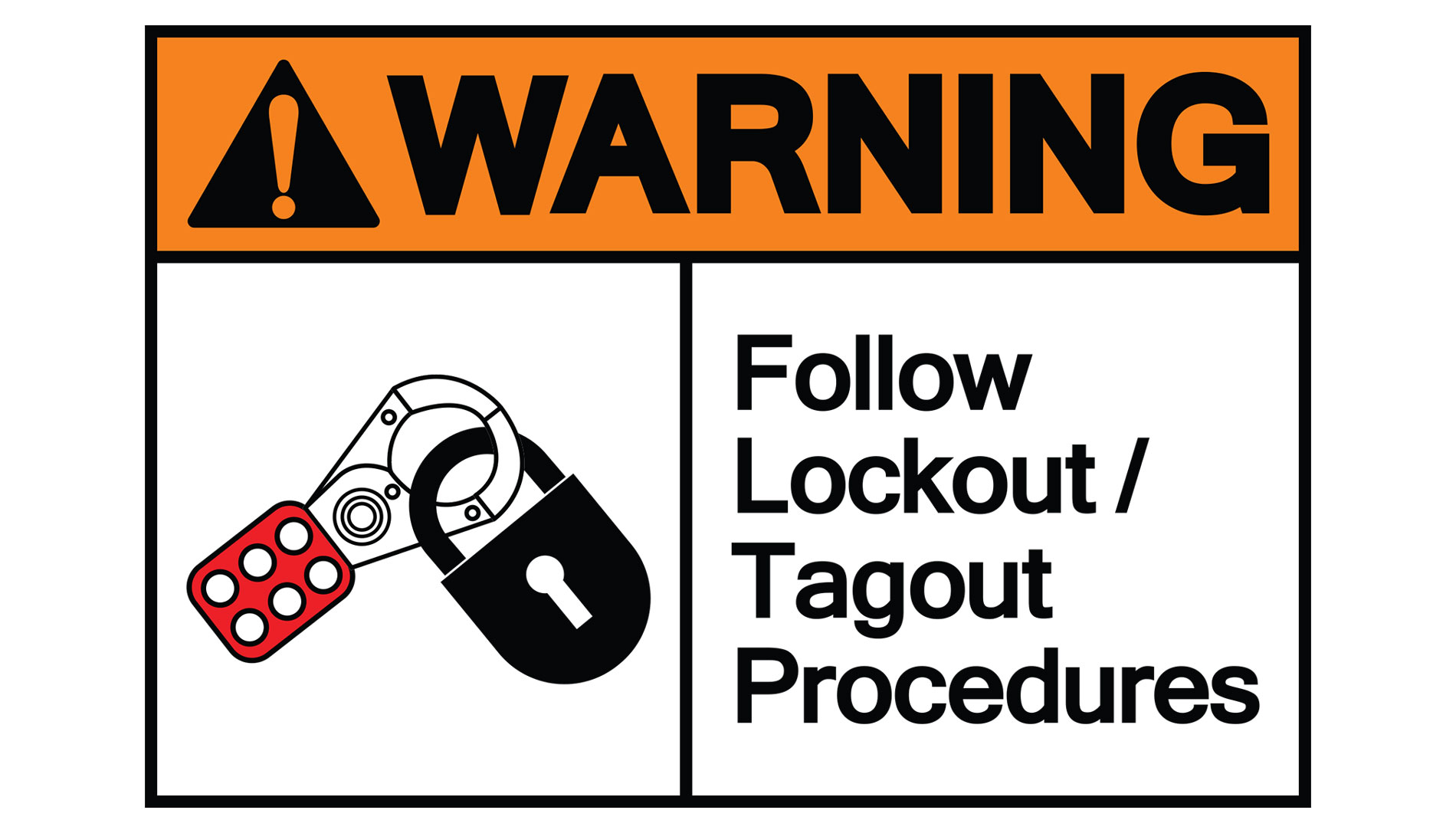
The alternative term for the OSHA 1910.147 lockout/tagout standard on hazardous energy control is the Control of Hazardous Energy Standard. This regulation is commonly referred to by workers, safety professionals, and compliance officers as simply the Lockout/Tagout (LOTO) standard.
It provides guidelines and requirements for deactivating machinery or equipment to perform servicing or maintenance safely. The goal is to prevent the unexpected release of hazardous energy—such as mechanical, electrical, hydraulic, or thermal energy—which could result in serious injury or fatality.
The term Control of Hazardous Energy underscores the broader purpose of the rule, while Lockout/Tagout refers specifically to the practice of using locks and tags to secure energy-isolating devices.
What Does the Term Control of Hazardous Energy Emphasize in OSHA 1910.147?
- The term Control of Hazardous Energy highlights the regulation's core objective: ensuring that dangerous energy sources are properly isolated and rendered inoperative during service or maintenance activities. This phrase emphasizes the rule's focus on identifying, isolating, and managing all forms of energy that could cause harm if released unexpectedly.
- It shifts attention from the physical tools (like locks and tags) to the comprehensive process of energy control, including preparation, shutdown, isolation, blocking, verification, and re-energization procedures. This broader perspective ensures that workplaces implement systemic safety measures, not just rely on hardware solutions.
- By naming the standard after the concept of energy control, OSHA reinforces that safety depends on disciplined procedures, employee training, periodic inspections, and proper documentation—not just the presence of a lock or tag on a machine.
Why Is the Standard Commonly Known as the Lockout/Tagout (LOTO) Standard?
- The term Lockout/Tagout became the popular name because it directly describes the two primary methods used to secure energy-isolating devices: applying a lock that physically prevents re-energizing equipment and attaching a tag that provides warning information and identifies the person responsible for the lock.
- Lockout involves using a lockable device to hold an energy-isolating mechanism in a safe position, ensuring that equipment cannot be energized until the lock is removed by the authorized employee. Tagout, while less secure than lockout, uses warning tags when lockout is not feasible, provided alternative safety measures are in place.
- Because Lockout/Tagout is easy to remember and directly reflects on-the-ground practice, it has become the standard's widely recognized nickname, even though the formal title centers on controlling hazardous energy.
How Do the Two Names Reflect Different Aspects of the Same Regulation?
- The official title, The Control of Hazardous Energy Standard, reflects the regulatory and technical scope of OSHA 1910.147, covering planning, documentation, employee roles, energy source identification, and procedural safeguards. It encompasses the full lifecycle of energy control, making it suitable for formal documentation and enforcement.
- In contrast, the term Lockout/Tagout refers to the tangible, operational components of the standard—the actions workers perform daily to secure machines. It is practical, action-oriented, and widely used in training, signage, and safety briefings across industries.
- Together, both terms represent complementary views of the same safety framework: one emphasizing comprehensive hazard management and the other focusing on the physical practices that prevent accidents during equipment servicing.
Frequently Asked Questions
What is the purpose of the OSHA Lockout/Tagout Standard 1910.147?
The OSHA Lockout/Tagout Standard 1910.147 ensures that machines are properly shut off and cannot be restarted during maintenance or servicing. Its primary purpose is to protect workers from unexpected energization or release of hazardous energy. The standard requires employers to establish procedures, use lockout/tagout devices, and train employees to control hazardous energy sources effectively.
Who is covered under the OSHA 1910.147 standard?
The OSHA 1910.147 standard applies to employees who service or maintain machines and equipment with hazardous energy sources. This includes workers performing tasks like cleaning, repairing, or adjusting machinery. It also covers supervisors and authorized personnel who implement or oversee lockout/tagout procedures. Employees who operate machinery but do not perform servicing are generally not covered but must be trained on the procedures.
What is the difference between lockout and tagout?
Lockout involves using a lock to physically prevent a machine from being energized, ensuring it cannot be operated until the lock is removed. Tagout uses a warning tag on the energy-isolating device, indicating that the machine must not be operated. While lockout provides physical security, tagout provides only a warning; OSHA prefers lockout because it offers greater protection when feasible.
What are the key elements of a Lockout/Tagout program?
A compliant Lockout/Tagout program includes written procedures, employee training, periodic inspections, and the use of appropriate lockout/tagout devices. Employers must identify energy sources, outline steps for shutting down and isolating machines, and ensure only authorized personnel apply and remove locks. Annual audits and documentation are also required to verify adherence to OSHA 1910.147 and maintain workplace safety.
Leave a Reply