
How to file a claim for unpaid wages in florida
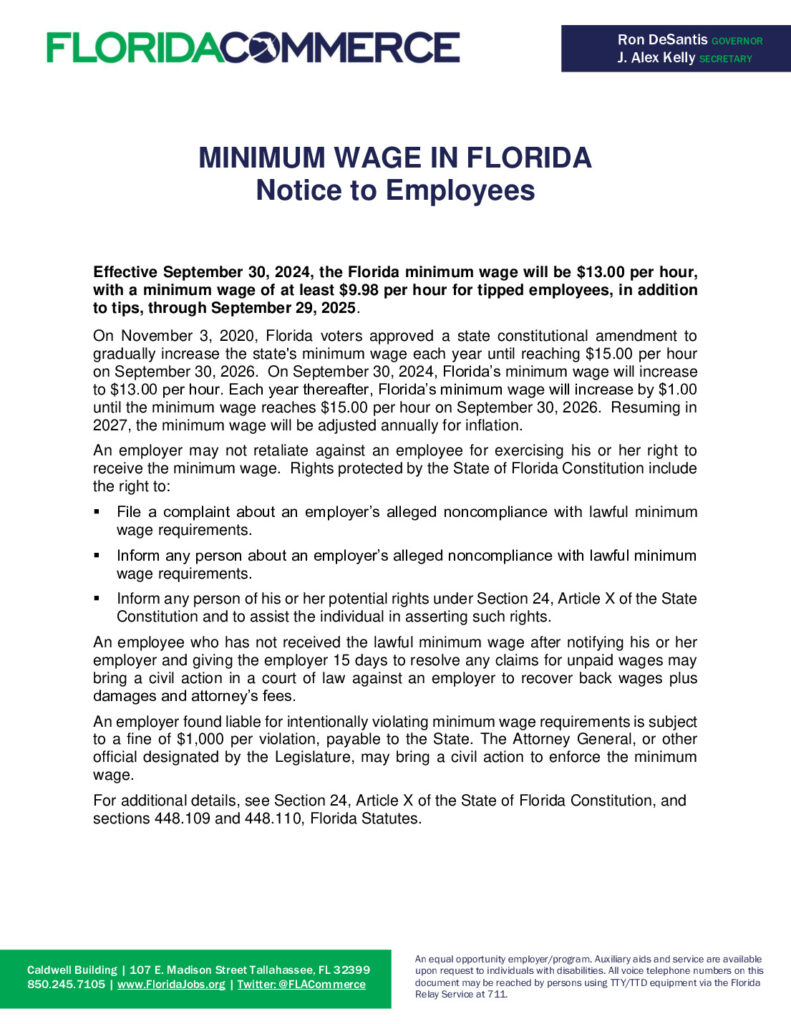
Workers in Florida who have not received their full wages may have legal options to recover unpaid earnings.
Under both state and federal laws, employees are entitled to compensation for all hours worked, including minimum wage and overtime when applicable. When employers fail to pay wages as required, filing a claim can help recover lost income.
Understanding the process is essential, as strict deadlines and documentation requirements apply. This guide outlines the steps to file a claim for unpaid wages in Florida, including how to gather evidence, submit complaints to the appropriate agencies, and explore legal remedies if necessary.
How to File a Claim for Unpaid Wages in Florida
Filing a claim for unpaid wages in Florida involves understanding your rights under federal and state labor laws and following specific procedures to recover the compensation you are legally owed.
While Florida does not have a state agency dedicated solely to wage recovery (like a Department of Labor), employees can pursue unpaid wages through the U.S. Department of Labor’s Wage and Hour Division (WHD) for violations of the Fair Labor Standards Act (FLSA), or they may file a claim in state court based on breached employment contracts or other legal grounds. It is essential to gather all relevant documentation such as pay stubs, work schedules, employment agreements, and communication with your employer about pay.
The process typically begins by filing a complaint with the WHD or initiating a civil lawsuit, depending on the nature of the claim. There are strict time limits, known as statutes of limitations, so acting quickly ensures your claim remains valid.
Understanding Your Rights Under the FLSA
Under the Fair Labor Standards Act (FLSA), most employees in Florida are entitled to receive at least the federal minimum wage and overtime pay at a rate of one and one-half times their regular rate for hours worked over 40 in a workweek. The FLSA applies regardless of whether Florida state law provides specific wage protections.
Not all workers are covered by FLSA protections—certain exemptions exist for independent contractors, salaried professionals, administrative staff, and others. If you believe you are a misclassified employee or were not paid for all hours worked—including off-the-clock work—you may have a valid claim.
Your rights include the ability to file a complaint without fear of retaliation from your employer, as the FLSA prohibits employers from discharging or discriminating against employees who file a wage claim or participate in an investigation.
Steps to File a Wage Claim with the U.S. Department of Labor
To file a wage claim, you should contact the Wage and Hour Division (WHD) of the U.S. Department of Labor. You can file a complaint online, by phone, or in person at a local WHD office.
When submitting your claim, provide detailed information such as your employer's name, address, phone number, the nature of your job, dates of employment, hours worked, pay rate, and how you were paid (e.g., cash, check, direct deposit). Supporting documents like timesheets, pay records, and written agreements strengthen your claim.
The WHD will investigate your case, often by contacting your employer and reviewing payroll records. If violations are found, the WHD may require your employer to pay back wages and, in some cases, additional liquidated damages. The process is confidential and free of charge to employees, ensuring accessible justice for wage theft.
When to Consider Filing a Civil Lawsuit in Florida
If your wage claim involves complex issues such as breach of an employment contract, misclassification, or retaliation, or if the FLSA does not cover your situation, you may need to file a civil lawsuit in Florida state court.
Florida law allows employees to sue employers for unpaid wages based on contract law or statutory claims. The statute of limitations is typically two years for non-contractual wage claims and up to five years for written contracts.
An attorney can help you determine the best legal path and may pursue compensatory damages, court costs, and attorney's fees if successful. Some employment agreements include arbitration clauses, which may require disputes to be resolved outside of court. Acting promptly is critical, as delays may bar your claim entirely.
| Aspect | Details |
|---|---|
| Governing Law | Federal Fair Labor Standards Act (FLSA) – Florida lacks a state-run wage claim office, so federal law is primary. |
| Filing Agency | U.S. Department of Labor – Wage and Hour Division (WHD) or civil court for contract-based claims. |
| Statute of Limitations | 2 years for most FLSA claims; 3 years for willful violations; 5 years for written contractual claims in Florida. |
| Available Remedies | Back wages, overtime pay, liquidated damages (equal to back wages), and possible attorney’s fees. |
| Retaliation Protection | It is illegal for employers to fire, demote, or harass employees for filing a wage claim under the FLSA anti-retaliation provision. |
Understanding Your Rights as a Worker in Florida
In Florida, employees are protected under both federal and state labor laws that guarantee timely and full payment for work performed.
If you've experienced unpaid wages, such as withheld salaries, unreported hours, or denied overtime, you have the legal right to take action. Florida follows the Fair Labor Standards Act (FLSA), which governs minimum wage, overtime pay, and wage collection.
Unlike some states, Florida does not have a state agency that handles wage claims directly, meaning most workers must file a claim with the federal U.S. Department of Labor’s Wage and Hour Division (WHD) or pursue a private lawsuit. Knowing your rights and the steps to reclaim what you’re owed is essential in ensuring fair treatment in the workplace.
Who Is Eligible to File a Wage Claim in Florida?
Any employee who has not been paid the wages they are legally owed may be eligible to file a wage claim in Florida, including full-time, part-time, temporary, and undocumented workers.
Eligibility is not based on immigration status, as federal law protects all workers regardless of documentation. Employees who have been denied minimum wage, overtime pay, final paycheck, or commissions may qualify to file a claim.
Independent contractors are generally not covered unless they have been misclassified. It’s critical to determine your employment status and gather documentation such as pay stubs, work schedules, and employment contracts to support your claim.
How to File a Wage Claim with the U.S. Department of Labor
To file a wage claim in Florida, workers must submit a complaint to the U.S. Department of Labor’s Wage and Hour Division (WHD), which enforces the Fair Labor Standards Act.
You can file online, by phone, or in person at a local WHD office. The process begins by providing detailed information about your employer, work history, hours worked, rate of pay, and how wages were withheld.
The WHD will investigate your claim, potentially contacting your employer and reviewing records. If violations are found, the WHD can recover back wages and may impose penalties. This process is free, confidential, and cannot result in retaliation against the employee.
Statute of Limitations for Unpaid Wage Claims
Workers in Florida must act quickly to file a wage claim, as there are strict time limits governed by the FLSA. Generally, you have two years from the date wages were owed to file a claim for unpaid wages.
However, if the violation is found to be willful—meaning the employer knew or showed reckless disregard for labor laws—the statute of limitations extends to three years.
Missing these deadlines can bar you from recovering unpaid wages, so timely action is essential. Keeping accurate records of your hours and pay helps strengthen your case and ensures you file within the correct timeframe.
Can You Sue Your Employer for Unpaid Wages?
Yes, employees in Florida can file a private lawsuit against their employer for unpaid wages if administrative claims do not resolve the issue or if greater compensation is sought.
Under the FLSA, workers may sue for back wages, liquidated damages (equal to the unpaid wages), attorney’s fees, and court costs. Many wage theft cases are filed as collective actions, allowing multiple employees to join the lawsuit.
It’s advisable to consult with an experienced employment attorney who can assess your case, help gather evidence, and determine the best legal path. Filing a lawsuit can be more complex than a WHD complaint but may lead to a faster or more favorable outcome.
Common Reasons for Wage Theft in Florida
Wage theft takes many forms and is more common than many workers realize. In Florida, frequent violations include employers failing to pay minimum wage, not compensating for all hours worked, denying overtime pay for hours over 40 in a workweek, misclassifying employees as independent contractors, and withholding final paychecks.
Other tactics include using tip credits improperly, making unauthorized payroll deductions, or requiring off-the-clock work.
These practices violate federal law, and employees who experience any of these issues should document the incidents and consider filing a claim to recover lost income. Awareness of these common tactics helps workers identify and combat wage theft effectively.
Frequently Asked Questions
How do I file a wage claim in Florida?
You can file a wage claim with the Florida Division of Labor Standards Enforcement (DLSE) online or by mail. Visit their website, complete the wage claim form, and provide details about your employer, unpaid wages, and work dates. Attach supporting documents like pay stubs or work schedules. Submit the form to the DLSE, which will review it and contact your employer for a response.
What types of unpaid wages can I claim in Florida?
In Florida, you can claim unpaid regular wages, overtime, commissions, bonuses, and final paychecks. The claim covers compensation agreed upon in your employment contract or company policy. You must provide evidence that the wages were earned but not paid. The DLSE handles both full and partial wage disputes if they fall under state wage laws.
What is the deadline to file a wage claim in Florida?
You must file a wage claim in Florida within two years from the date the wages were due. This statute of limitations applies to most unpaid wage claims under state law. Filing after this period may result in your claim being dismissed. It’s best to file as soon as possible to ensure eligibility and increase the chances of recovering your unpaid wages.
Can I sue my employer instead of filing a wage claim in Florida?
Yes, you may sue your employer in court instead of filing a wage claim. However, filing with the Florida DLSE is typically faster and doesn’t require a lawyer. If the DLSE process doesn't resolve your claim, you may still pursue a private lawsuit. Consult an attorney to understand which option best suits your situation and potential recovery.
Leave a Reply