
Foreign workers immigration and employee eligibility

The increasing reliance on foreign workers in today’s global economy has brought immigration and employee eligibility to the forefront of labor policy discussions. As businesses seek specialized skills across borders, understanding the legal framework governing work authorization becomes essential.
Employers must navigate complex regulations to verify identity and employment eligibility, often through systems like E-Verify and Form I-9 compliance. At the same time, foreign workers face challenges related to visas, documentation, and rights protection.
Balancing workforce needs with regulatory adherence requires clear policies, employer diligence, and awareness of immigration laws to ensure fair, legal, and efficient integration of international talent into the workforce.
 Foreign workers immigration and employee eligibility law
Understanding Foreign Workers Immigration and Employee Eligibility in the U.S.
Navigating the complexities of foreign workers' immigration and employee eligibility is essential for both employers and international job seekers in the United States. The U.S. immigration system provides multiple pathways for foreign nationals to work legally, but each comes with strict regulations to ensure compliance with federal laws.
One of the most critical frameworks is governed by the U.S. Citizenship and Immigration Services (USCIS), which oversees visa programs such as the H-1B for specialty occupations, L-1 for intracompany transfers, and the H-2A and H-2B for seasonal agricultural and non-agricultural work.
In parallel, the Form I-9, Employment Eligibility Verification, is required for all employees, regardless of citizenship, to confirm identity and authorization to work in the U.S. Failure to comply with these requirements can result in significant penalties for employers, including fines and exclusion from future immigration petitions. Understanding the interplay between immigration status and employment eligibility helps maintain a lawful, productive, and diverse workforce.
Key Employment-Based Visa Categories for Foreign Workers
The U.S. offers several employment-based (EB) immigrant and nonimmigrant visa categories that allow foreign nationals to work under specific conditions. The H-1B visa is among the most sought-after, designed for individuals in specialty occupations requiring at least a bachelor’s degree or equivalent, such as engineering, IT, or finance.
 Foreign workers immigration and employee eligibility laws
Workers under this visa are typically sponsored by an employer and subject to an annual cap. For multinational companies, the L-1 visa allows the transfer of executives, managers, or employees with specialized knowledge from foreign offices to U.S. branches. Seasonal work is covered by the H-2A (agricultural) and H-2B (non-agricultural) visas, which require employers to demonstrate a shortage of U.S. workers.
Additionally, the O-1 visa caters to individuals with extraordinary abilities in fields such as science, arts, education, business, or athletics. Each visa category has distinct eligibility criteria, documentation requirements, and duration limits, making it crucial for employers and applicants to carefully follow USCIS guidelines.
| Visa Type | Purpose | Key Requirements |
|---|---|---|
| H-1B | Specialty occupations | Bachelor’s degree or higher; employer sponsorship; subject to annual cap |
| L-1 | Intracompany transferees | One year of employment abroad with qualifying organization |
| H-2A | Seasonal agricultural work | Temporary need; labor certification from Department of Labor |
| H-2B | Seasonal non-agricultural work | Temporary or peak load need; certified job offer |
| O-1 | Extraordinary ability | National or international acclaim; extensive documentation of achievements |
All U.S. employers are required to complete and retain Form I-9, Employment Eligibility Verification, for each individual they hire for employment in the United States, including U.S. citizens and foreign nationals.
The form must be completed within three business days of the employee's first day of work and involves two main sections: Section 1, filled out by the employee, and Sections 2 and 3, completed by the employer.
 Foreign workers immigration and employment eligibility
The employee must present acceptable documents from List A, B, or C, such as a U.S. passport, permanent resident card, or employment authorization document (EAD), to establish both identity and work eligibility.
Employers must examine the documents in the physical presence of the employee (unless remote verification is authorized under specific flexibilities) and ensure they appear genuine and relate to the individual. Maintaining accurate I-9 records is critical, as unauthorized employment or improper documentation can lead to audits, civil penalties, and criminal charges under the Immigration and Nationality Act (INA).
Employer Responsibilities and Legal Compliance
Employers hiring foreign workers have a duty to comply with federal immigration laws and avoid discriminatory practices under the Immigration and Nationality Act’s anti-discrimination provisions. This requires balancing rigorous verification processes with fair treatment of all applicants, regardless of national origin or citizenship status.
Employers must not engage in document abuse by requesting more or different documents than necessary, or showing preference for certain documents like a U.S. passport, which could indicate discriminatory intent. Additionally, companies must retain I-9 forms for at least three years after the date of hire or one year after employment ends, whichever is later.
 Coke undocumented workers
Proactive measures such as internal audits, employee training, and consulting with immigration attorneys can help mitigate risks. Non-compliance may result in penalties ranging from $248 to $2,478 per violation, as of 2024, and could jeopardize an employer’s ability to sponsor future foreign workers through USCIS programs.
Guide to Foreign Worker Immigration and Employee Eligibility Verification
Are undocumented foreign workers legally eligible for employment in the U.S.?
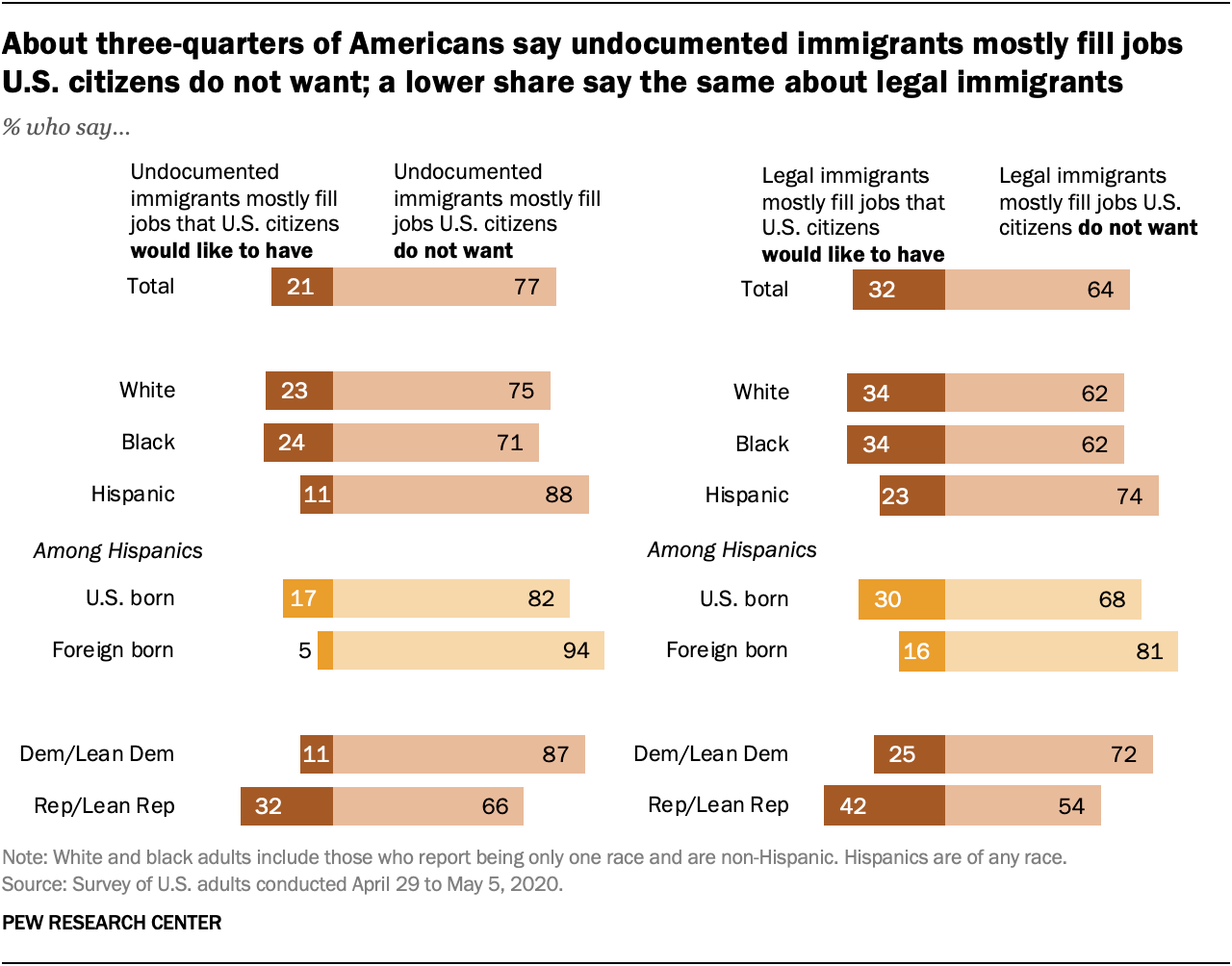
No, undocumented foreign workers are not legally eligible for employment in the United States. U.S. law requires all individuals working in the country to have authorization to work, which typically comes in the form of a valid visa, permanent residency (green card), or other documented immigration status recognized by the U.S.
Citizenship and Immigration Services (USCIS). Employers are obligated under the Immigration and Nationality Act (INA) to verify the identity and work eligibility of all employees through the Form I-9 process.
Hiring undocumented workers violates federal law and can result in civil and criminal penalties for employers, including fines and loss of business licenses. While some undocumented individuals do work in the U.S. due to labor demand in certain sectors such as agriculture, construction, and hospitality, their employment remains unlawful under current immigration statutes.
Legal Framework Governing Employment Eligibility
- The Immigration and Nationality Act (INA) establishes the foundation for employment eligibility in the U.S., mandating that only individuals authorized to work may be hired. This includes U.S. citizens, lawful permanent residents, and foreign nationals with valid work visas or permits.
- Employers must complete Form I-9 for every employee, which requires presentation of acceptable documents proving identity and employment authorization, such as a U.S. passport, permanent resident card, or an Employment Authorization Document (EAD).
- The Department of Homeland Security (DHS) and U.S. Immigration and Customs Enforcement (ICE) conduct audits and worksite inspections to enforce compliance, and knowingly hiring undocumented workers can lead to escalating fines and, in repeated cases, imprisonment.
Consequences for Employers Who Hire Undocumented Workers
- Employers found knowingly hiring or continuing to employ undocumented workers may face civil penalties that vary based on the number of violations and whether they are repeat offenders, with fines reaching thousands of dollars per unauthorized worker.
- In cases of substantial or repeated violations, criminal charges may be pursued, particularly if there is evidence of a pattern or practice of hiring unauthorized workers or document fraud.
- Businesses may also suffer reputational damage, lose government contracts, or be barred from federal programs, and in extreme cases, face closure due to enforcement actions taken by federal authorities.
Challenges and Realities in the Labor Market
- Certain industries, including agriculture, food services, landscaping, and construction, often rely on undocumented labor due to labor shortages, seasonal demands, and the willingness of individuals to accept lower wages and less favorable working conditions.
- Despite the legal restrictions, gaps in the labor force and a lack of accessible legal pathways for temporary or low-skilled labor contribute to the continued presence of undocumented workers in the workforce.
- Efforts to implement electronic verification systems such as E-Verify aim to reduce unauthorized employment, but participation remains voluntary in many states, limiting the system’s effectiveness in eliminating the employment of undocumented individuals.
What are the eligibility requirements for the Temporary Foreign Worker Program in relation to immigration and employment law?
Employer Requirements Under the Temporary Foreign Worker Program
- Employers in Canada must first obtain a positive Labour Market Impact Assessment (LMIA) from Employment and Social Development Canada (ESDC), which verifies that hiring a temporary foreign worker will not negatively affect the domestic labor market. This involves demonstrating that there is a genuine need for a foreign worker, typically due to a shortage of qualified Canadian citizens or permanent residents.
- The employer must comply with federal and provincial employment standards, including offering wages and working conditions that meet or exceed those of Canadian workers in similar roles. This includes providing safe working environments, appropriate hours of work, and adherence to human rights legislation.
- Employers are also required to submit a transition plan in certain cases, especially when applying under the high-wage stream, showing how they will reduce their reliance on temporary foreign workers over time by investing in training for Canadians or improving productivity.
Worker Eligibility Criteria Based on Immigration Law
- Applicants for the Temporary Foreign Worker Program (TFWP) must have a valid job offer from a Canadian employer supported by a positive LMIA. This job offer must be for a full-time, non-seasonal position, unless specific stream exceptions apply, such as the agricultural or low-wage streams.
- Workers must meet admissibility requirements under Canada’s Immigration and Refugee Protection Act (IRPA), which include undergoing medical examinations, providing police certificates to prove criminal inadmissibility, and demonstrating they do not pose a security risk.
- Applicants must also prove they have the necessary qualifications for the job, such as education, training, language proficiency, and relevant work experience. They must intend to leave Canada at the end of their authorized stay unless pursuing permanent residency through another pathway.
Compliance and Legal Obligations for Both Employers and Workers
- Employers must comply with immigration monitoring requirements, including allowing inspections from Employment and Social Development Canada or Immigration, Refugees and Citizenship Canada (IRCC) to verify adherence to program conditions such as wages, job duties, and working conditions specified in the LMIA.
- Foreign workers are legally bound to work only for the employer and in the position listed on their work permit. Changing employers or job roles without proper authorization can result in a loss of status and future inadmissibility.
- Both employers and workers are protected under Canadian labor laws, which prohibit exploitation, wage theft, and discrimination. Workers have the right to file complaints with labor boards or regulatory bodies if their rights are violated, regardless of their immigration status.
Frequently Asked Questions
What documents do foreign workers need to work legally in the United States?
Foreign workers must have valid employment authorization, typically shown through a visa (such as H-1B, L-1, or O-1) or a Green Card. They must also provide Form I-9 acceptable documents, like a U.S. passport, Permanent Resident Card, or foreign passport with an approved employment authorization document (EAD). Employers must verify eligibility using Form I-9. Failure to present proper documentation can result in ineligibility to work.
How can employers verify a foreign worker’s eligibility to work?
Employers must complete Form I-9 to verify identity and work authorization. The employee presents documents from the I-9 Lists (e.g., passport and EAD). The employer examines the documents for authenticity and completeness. Employers cannot request specific documents beyond what’s listed, nor discriminate based on national origin or citizenship. E-Verify may also be used where required to confirm eligibility through federal databases.
What is the difference between a work visa and a Green Card?
A work visa (e.g., H-1B) allows a foreign national to live and work in the U.S. temporarily under specific employer sponsorship. A Green Card grants lawful permanent resident status, allowing indefinite work and residence. Visa holders must maintain visa conditions and may change jobs only under certain rules. Green Card holders have greater flexibility, can change jobs freely, and may apply for citizenship after meeting residency requirements.
Can foreign workers change jobs while on a U.S. work visa?
It depends on the visa type. H-1B workers can change employers if the new employer files a new H-1B petition. L-1 visa holders may change roles within the same employer group but need approval for significant changes. Some visas, like O-1, require new petitions for job changes. Workers cannot legally start a new job until USCIS approves the new petition. Always consult immigration counsel before making changes.
Leave a Reply