
Do undocumented workers get benefits
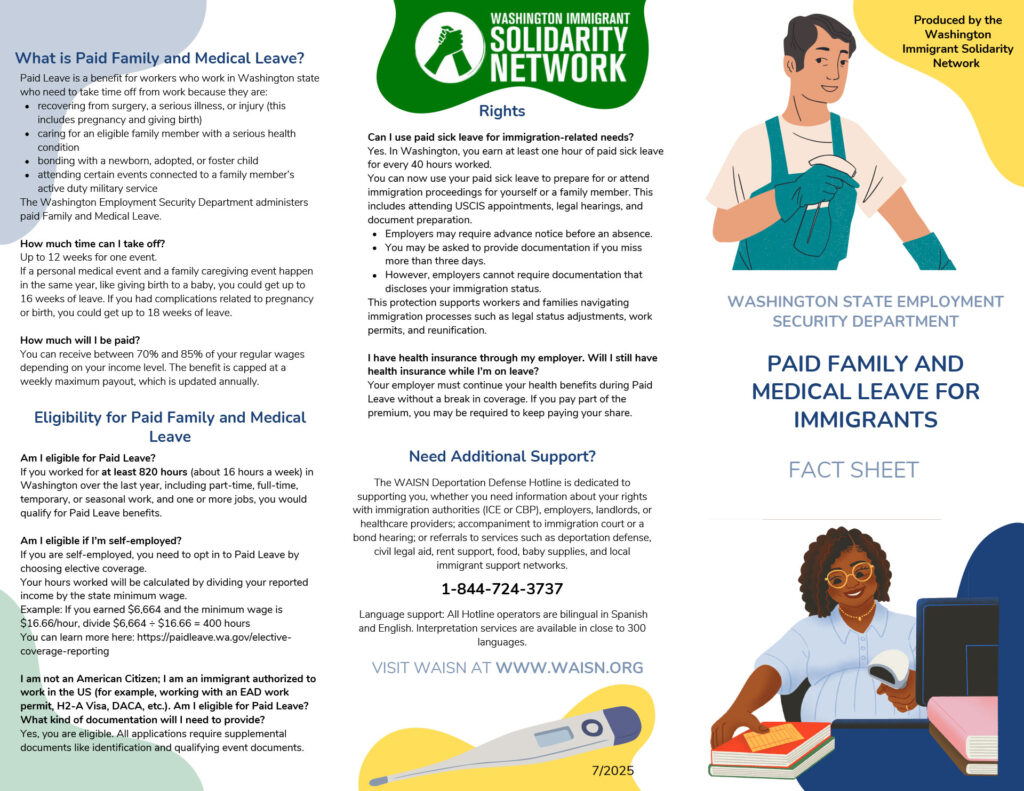
Undocumented workers in the United States face significant challenges when it comes to accessing social and labor benefits. While they contribute to the economy through work and often through taxes, their immigration status limits eligibility for programs like Social Security, Medicare, and unemployment insurance.
Federal law restricts most public benefits to documented residents, leaving many without healthcare, paid leave, or retirement plans. However, some states and cities have implemented policies to extend limited benefits regardless of status.
This article examines the realities undocumented workers face, the legal barriers in place, and ongoing debates about equity, labor rights, and economic contributions, highlighting the complex relationship between immigration status and access to essential benefits.
 Do undocumented workers get medicaid
Do Undocumented Workers Get Benefits?
Undocumented workers in the United States face significant limitations when it comes to accessing government-sponsored benefits and protections. While they often contribute to the economy through labor and, in many cases, through taxes via Individual Taxpayer Identification Numbers (ITINs) or withheld payroll taxes, their immigration status bars them from most federal public benefits.
Programs such as Social Security, Medicaid, and unemployment insurance typically require lawful immigration status for eligibility. However, there are exceptions where certain benefits may be accessed, especially in cases involving emergency medical care, public health services, or protections under labor laws regardless of status.
Some states and local governments have also implemented programs to provide limited benefits, such as driver’s licenses or access to state-funded health care, to undocumented residents. The complex interplay between federal and state regulations means that access to benefits can vary widely depending on location, type of benefit, and specific circumstances.
Eligibility for Federal Public Benefits
Undocumented workers are generally not eligible for most federal public benefits under the Personal Responsibility and Work Opportunity Reconciliation Act (PRWORA) of 1996, which categorizes non-citizens and defines their access to assistance. This includes major programs such as Supplemental Nutrition Assistance Program (SNAP), Cash Assistance (TANF), and federally funded Medicaid.
 Do undocumented workers get food stamps
However, there are limited exceptions: undocumented individuals can receive emergency medical services through Medicaid, access public elementary and secondary education for their children, and use services deemed necessary for public health and safety, such as immunizations and prenatal care.
It's important to note that applying for certain public benefits can have implications for future immigration applications under the public charge rule, although emergency services are typically excluded from this consideration.
Labor Rights and Workplace Protections
Despite their immigration status, undocumented workers in the U.S. are entitled to certain basic labor rights and protections under federal law. The Fair Labor Standards Act (FLSA), Occupational Safety and Health Act (OSHA), and National Labor Relations Act (NLRA) apply to all workers, regardless of immigration status.
This means undocumented employees have the right to minimum wage and overtime pay, safe working conditions, and protection from workplace discrimination and retaliation. Courts have consistently ruled that employers cannot exploit undocumented status to deny owed wages or avoid liability for violations.
 Does amazon hire undocumented workers
Workers can file complaints with agencies such as the Department of Labor (DOL) or the Equal Employment Opportunity Commission (EEOC) without fear of immigration enforcement through these labor protections.
State and Local Benefits Access
Access to benefits for undocumented workers varies significantly at the state and local levels, where some jurisdictions have expanded access to services despite federal restrictions.
States like California, New York, and Illinois offer state-funded health care programs to low-income residents regardless of immigration status, including undocumented individuals. Some cities provide access to municipal ID cards, legal representation in eviction cases, and community health clinics.
Additionally, certain states allow undocumented residents to obtain driver’s licenses to promote road safety and economic participation. These localized efforts reflect broader policy goals related to public health, economic stability, and inclusion, even in the absence of federal approval.
| Benefit Type | Typically Available to Undocumented Workers? | Key Notes |
|---|---|---|
| Social Security | No | Requires lawful work authorization and valid Social Security Number; contributions made under ITIN may not be claimable. |
| Medicaid (Non-Emergency) | No | Federally funded services excluded; emergency Medicaid is an exception. |
| Unemployment Insurance | No | Requires work authorization at the time of job loss; some states may allow claims under specific circumstances. |
| Public Education (K–12) | Yes | Guaranteed under Supreme Court ruling in Plyler v. Doe (1982). |
| State-Funded Health Care | Varies by State | States like California and New York provide Medi-Cal or NYC Care to eligible undocumented residents. |
Understanding the Eligibility of Undocumented Workers for Public Benefits
Undocumented workers in the United States face significant barriers when it comes to accessing public benefits, as federal law generally restricts eligibility to individuals with lawful immigration status.
Programs such as Medicaid, Supplemental Nutrition Assistance Program (SNAP), and Temporary Assistance for Needy Families (TANF) are largely unavailable to those without legal documentation, with limited exceptions for emergency services like emergency Medicaid or public health interventions.
However, eligibility can vary at the state and local levels, where some jurisdictions have implemented policies to extend certain benefits, such as state-funded healthcare or driver’s licenses, regardless of immigration status.
Moreover, children of undocumented immigrants who are U.S. citizens may qualify for benefits in their own right, creating a complex landscape where access often depends on age, location, and specific program rules.
Despite these challenges, undocumented workers contribute billions annually in payroll taxes, including Social Security and Medicare, through Individual Taxpayer Identification Numbers (ITINs), although they are typically unable to claim benefits they've helped fund.
Can Undocumented Workers Receive Medicaid?
Undocumented workers generally cannot enroll in Medicaid for routine health care due to federal restrictions tied to immigration status.
However, there are specific exceptions, such as emergency Medicaid, which covers urgent medical conditions like childbirth or acute illnesses posing a serious risk to health. This limited access ensures that life-threatening situations are addressed, but it does not provide comprehensive coverage or preventive care.
Some states have gone further by using state funds to offer broader health services to undocumented populations—California, for example, expanded Medi-Cal to include low-income adults regardless of status under certain age criteria. These disparities emphasize the role of state policy in influencing access to essential health benefits for undocumented individuals.
Undocumented workers are typically not eligible to receive Social Security benefits, even though many contribute to the system through payroll taxes using an ITIN or a stolen Social Security number.
The Social Security Administration (SSA) requires lawful work authorization and valid Social Security numbers linked to legal employment to qualify for retirement, disability, or survivor benefits. As a result, billions of dollars paid into the system by undocumented workers remain unclaimed, effectively bolstering the program’s financial reserves without offering reciprocal benefits.
In rare cases, individuals who later gain legal status may be able to claim benefits retroactively based on past contributions, but for the vast majority, these contributions yield no personal benefit.
Do Undocumented Workers Qualify for Unemployment Insurance?
Undocumented workers are not eligible for unemployment insurance (UI) benefits at the federal level, as these programs require lawful employment and the ability to accept work legally upon request. Even if an individual has paid into state unemployment funds through withheld taxes, eligibility is voided without valid work authorization. Some advocacy groups have pushed for reform, especially after events like the COVID-19 pandemic, where undocumented essential workers risked their health but were excluded from financial relief. A few local initiatives have created emergency funds supported by municipal budgets or private donations, but these are not equivalent to official unemployment benefits and do not provide long-term security.
Can Undocumented Families Access Food Assistance Programs?
Undocumented workers themselves are generally barred from participating in federal food assistance programs like SNAP (formerly food stamps), but their U.S.-born children may be eligible if household income meets program thresholds. This creates a situation where mixed-status families can receive partial benefits based on the citizenship of specific members. However, fear of immigration enforcement and misconceptions about public charge rules often deter eligible families from applying, even when the child’s benefits won’t affect the parents’ immigration status. Some states and localities have introduced alternative food support programs funded locally to assist undocumented residents, recognizing the public health importance of food security regardless of immigration status.
Are There Any Tax Benefits Available to Undocumented Workers?
Undocumented workers do not qualify for key federal tax benefits such as the Earned Income Tax Credit (EITC) or Child Tax Credit (CTC) if they use an ITIN instead of a Social Security number.
While they are permitted—and often required—to file income taxes using an ITIN, the IRS restricts these credits to taxpayers with SSNs.
However, taxpayers with U.S. citizen children who have SSNs may still claim them as dependents, though this does not guarantee eligibility for refundable credits if the parent’s filing number is an ITIN.
In recent years, legislative proposals have aimed to extend the EITC to ITIN filers, citing their economic contributions, but as of now, access to these financial benefits remains severely limited for undocumented taxpayers.
Frequently Asked Questions
Undocumented workers generally do not qualify for Social Security benefits because they lack legal work authorization. While some may have paid into the system using incorrect or fake Social Security numbers, they cannot claim benefits without legal status.
The Social Security Administration requires valid immigration documentation to receive retirement, disability, or survivor benefits, meaning most undocumented individuals are excluded despite their contributions.
Can undocumented immigrants receive unemployment benefits?
No, undocumented workers are not eligible for unemployment benefits in the United States. To receive unemployment insurance, individuals must have legal authorization to work and provide documentation proving their employment eligibility.
Since undocumented workers do not have this status, they are excluded from receiving these benefits, even if they or their employers have paid taxes into the system.
Are undocumented workers eligible for Medicare or Medicaid?
Undocumented workers are generally not eligible for Medicare or full Medicaid benefits. Legal residency is required to qualify for these public health programs.
Emergency Medicaid may cover urgent medical conditions for some undocumented individuals, but routine care and long-term services are not included. As a result, most undocumented workers lack access to government-funded healthcare coverage.
Can undocumented employees receive workers’ compensation?
Yes, undocumented workers may be eligible for workers’ compensation if injured on the job, as eligibility is typically based on employment status, not immigration status. Most U.S. states recognize that undocumented workers have the same right to claim benefits for workplace injuries or illnesses.
Employers are usually required to provide coverage regardless of an employee’s immigration documentation, ensuring access to medical care and lost wage benefits.
Leave a Reply