
Companies hiring undocumented workers
The issue of companies hiring undocumented workers remains a complex and often controversial topic in today's labor market.
While U.S. law prohibits the employment of individuals without proper authorization, some businesses continue to hire undocumented workers, often driven by labor demands and economic pressures. These practices raise concerns about worker exploitation, wage suppression, and legal accountability.
At the same time, undocumented workers frequently fill critical roles in industries such as agriculture, construction, and hospitality. This article explores the motivations behind such hiring practices, the industries most involved, the legal consequences for employers, and the broader socioeconomic implications for both workers and the economy.
 Consequences of hiring undocumented workers
The issue of companies hiring undocumented workers is a complex and often controversial topic in the United States and other countries with large immigrant populations.
While some businesses may knowingly or unknowingly employ individuals without legal work authorization, doing so violates federal immigration laws and can result in severe penalties, including fines, criminal charges, and reputational damage. The U.S. Immigration and Nationality Act (INA) prohibits employers from hiring individuals they know, or reasonably should know, are unauthorized to work.
Despite enforcement efforts through Form I-9 audits and worksite inspections, some industries—such as agriculture, construction, hospitality, and food services—have historically relied on undocumented labor due to labor shortages, cost-cutting motives, or informal hiring practices. Understanding the motivations behind such hiring, the legal consequences, and the broader socioeconomic impact is essential for crafting humane and effective immigration and labor policies.
Why Some Companies Hire Undocumented Workers
Certain companies hire undocumented workers primarily due to economic incentives and labor market demands. In sectors like agriculture, landscaping, and meatpacking, jobs are often physically demanding, low-paying, and difficult to fill with domestic workers, leading employers to turn to immigrant labor pools.
 Fines for hiring undocumented workers
Undocumented workers may accept lower wages and fewer benefits, enabling businesses to reduce operational costs. Additionally, some employers operate in informal economies where oversight is minimal, making it easier to bypass employment verification processes like the Form I-9 requirement.
In certain instances, employers may not fully verify documentation, overlooking discrepancies in identification or accepting fraudulent papers. While not all employers are aware of their workers' legal status, those who knowingly hire unauthorized individuals risk legal and financial consequences, particularly if caught during a Department of Homeland Security (DHS) inspection.
Legal Consequences for Employers
Employers found hiring undocumented workers face serious legal repercussions under U.S. federal law. Sanctions are administered by agencies such as U.S. Immigration and Customs Enforcement (ICE) and the Office of Special Counsel for Immigration-Related Unfair Employment Practices (OSC). Penalties vary based on the number of violations and whether infractions are repeated.
First-time offenders may face civil fines ranging from hundreds to thousands of dollars per unauthorized employee, while repeat violations can lead to criminal prosecution and even imprisonment. Companies may also be forced to cease operations temporarily or permanently through debarment from government contracts.
 Do undocumented workers pay social security taxes
Additionally, public exposure from enforcement actions can damage a company’s reputation and result in consumer backlash. To avoid these outcomes, employers are encouraged to implement rigorous employment eligibility verification procedures and participate in programs like E-Verify, which cross-checks employee information with federal databases.
Industries Most Affected by Undocumented Labor
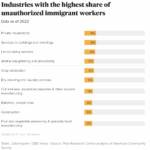
Several industries have disproportionately high levels of undocumented workers due to labor-intensive work, seasonal demands, and wage constraints.
The agricultural sector is one of the most reliant, with estimates suggesting that up to 70% of farmworkers in some states are undocumented. Similarly, the construction industry frequently employs undocumented laborers for roles like roofing, framing, and landscaping.
The hospitality and food service sectors—including restaurants, hotels, and cleaning services—also utilize this workforce for positions that are often underpaid and high-turnover. These industries benefit from flexible, resilient labor but face increasing scrutiny as immigration enforcement policies fluctuate.
 Documented and undocumented workers
Furthermore, reliance on undocumented workers can create vulnerabilities, such as worker exploitation and challenges in unionization, while also raising questions about long-term workforce sustainability and the need for immigration reform tailored to economic realities.
| Industry | Estimated % of Undocumented Workers | Common Job Roles | Key Challenges for Employers |
|---|---|---|---|
| Agriculture | 50–70% | Harvesting, irrigation, livestock care | Seasonal labor needs, difficulty recruiting U.S. workers |
| Construction | 15–25% | Roofing, drywall, framing, demolition | High-risk work, wage pressure, subcontractor hiring practices |
| Hospitality & Food Service | 10–20% | Cooking, cleaning, serving, housekeeping | High turnover, cash-based pay, limited oversight |
| Landscaping & Maintenance | 25–35% | Lawn care, gardening, snow removal | Small businesses, informal hiring, seasonal variability |
Understanding the Legal and Ethical Implications of Employing Undocumented Workers
Employing undocumented workers presents significant legal, ethical, and economic challenges for companies operating in the United States. While some businesses may be tempted to hire undocumented individuals due to lower labor costs or labor shortages, doing so exposes them to severe federal penalties, including fines, criminal charges, and loss of business licenses.
The U.S. Immigration and Nationality Act mandates that all employers verify the work eligibility of every employee through the I-9 form, and knowingly hiring unauthorized workers violates this law. Beyond legal risks, companies face reputational damage, potential boycotts, and scrutiny from advocacy groups concerned with labor rights and immigration policy.
Moreover, undocumented workers are often vulnerable to exploitation, receiving substandard wages and unsafe working conditions, which raises serious ethical concerns about fairness and human dignity in the workplace. As enforcement by agencies like ICE (Immigration and Customs Enforcement) intensifies, businesses must balance operational needs with compliance and moral responsibility.
The Legal Consequences for Companies That Hire Undocumented Workers
Companies caught hiring undocumented workers can face severe legal consequences under federal law, including substantial civil penalties that increase with repeat violations.
For each unauthorized employee, employers may be fined hundreds or even thousands of dollars, and in cases of pattern or practice of violations, criminal charges could apply, leading to imprisonment of corporate executives. The Immigration Reform and Control Act (IRCA) of 1986 explicitly prohibits the knowing hiring of individuals unauthorized to work in the U.S., and enforcement has been strengthened through Form I-9 audits and worksite raids conducted by ICE.
Employers who fail to properly verify work authorization—even unintentionally—can still face penalties, making compliance and rigorous document verification essential. These legal risks underscore the importance of strict adherence to employment eligibility verification procedures to avoid costly repercussions.
Economic Incentives Behind Hiring Undocumented Labor
One of the primary motivations for companies hiring undocumented workers is the pursuit of lower labor costs, particularly in industries like agriculture, construction, hospitality, and food processing, where profit margins are thin.
Undocumented workers are often willing to accept below-minimum wages, fewer benefits, and less favorable working conditions, making them an attractive, albeit risky, labor source. Some employers argue that labor shortages in certain sectors drive them to hire unauthorized workers to meet production demands, especially in rural or low-wage areas where citizen participation in these jobs is limited.
However, this reliance on a vulnerable workforce can distort wage standards and undercut fair labor competition, creating market imbalances and putting compliant businesses at an economic disadvantage.
How Immigration Enforcement Impacts Business Operations
Increased immigration enforcement activities, including worksite inspections and I-9 audits by ICE, have a direct impact on business operations, particularly in industries heavily reliant on immigrant labor.
When a company is targeted, it may face workplace disruptions, loss of skilled workers, and mandatory employee absences, which can impair productivity and delay projects. In high-profile raids, entire operations have been temporarily shut down, resulting in significant financial losses and public relations crises.
These enforcement actions also generate fear and instability within the workforce, reducing employee morale and increasing turnover. As a result, even businesses not actively hiring undocumented workers may be affected indirectly due to heightened scrutiny and the broader chilling effect on immigrant employment.
Alternatives to Hiring Undocumented Workers for Employers
Employers seeking to remain compliant while addressing labor shortages have viable alternatives to hiring undocumented workers, such as participating in legal guest worker programs like the H-2A (agricultural) and H-2B (non-agricultural) visas.
These programs allow U.S. employers to bring in foreign workers on a temporary basis to fill seasonal or short-term positions when there is a lack of available domestic labor. Though the application process can be bureaucratic and time-consuming, these pathways ensure legal compliance and help stabilize the workforce.
Additionally, companies can invest in automation, training programs, or competitive wage structures to attract underutilized segments of the domestic labor pool, such as unemployed or underemployed citizens, thereby reducing reliance on unauthorized employment while contributing to long-term operational sustainability.
The Role of Corporate Responsibility in Immigrant Employment Practices
Corporate responsibility plays a crucial role in shaping ethical employment practices, especially regarding the treatment of immigrant workers, documented or not.
Companies have a moral obligation to uphold human rights, ensure fair wages, and provide safe working environments, regardless of an employee's immigration status. Adopting transparent hiring policies, conducting regular I-9 compliance training, and collaborating with legal immigration experts help foster responsible employment cultures.
Some corporations have taken proactive steps by supporting immigration reform, advocating for pathways to legalization, and offering legal resources to employees navigating their status. By prioritizing ethical standards over short-term gains, businesses can protect their reputations, enhance employee loyalty, and contribute positively to broader societal outcomes.
Frequently Asked Questions
Can undocumented workers legally be hired in the United States?
No, it is illegal for employers in the United States to knowingly hire undocumented workers. Federal law requires all employers to verify the identity and work eligibility of employees using Form I-9.
Hiring undocumented workers can result in severe penalties, including fines and criminal charges. Employers must ensure all workers are authorized to work in the U.S., regardless of job type or industry.
What are the penalties for companies that hire undocumented workers?
Companies caught hiring undocumented workers face serious consequences, including civil fines ranging from hundreds to thousands of dollars per unauthorized employee. Repeat offenders may suffer criminal charges, imprisonment, and business license revocation. The U.S.
Immigration and Customs Enforcement (ICE) conducts audits and worksite raids to enforce compliance. Penalties increase based on the number of violations and prior infractions, discouraging illegal hiring practices.
Do any companies still hire undocumented workers despite the law?
Yes, some companies, particularly in agriculture, construction, and hospitality, have been found to hire undocumented workers. Labor shortages and lower wage demands may tempt employers to bypass legal requirements.
However, these practices are illegal and risky. Increased government enforcement and public scrutiny make such actions increasingly dangerous for businesses, even if undocumented labor has historically filled certain market needs.
How can undocumented workers protect their rights if hired illegally?
Even undocumented workers have basic labor rights under U.S. law, including the right to fair wages and safe working conditions. They can report wage theft or unsafe conditions to the Department of Labor or organizations like the National Labor Relations Board without revealing immigration status. While they risk exposure, legal protections exist. Consulting with immigrant advocacy groups can help them understand rights and access support safely.
Leave a Reply