
How many farm workers are illegal immigrants
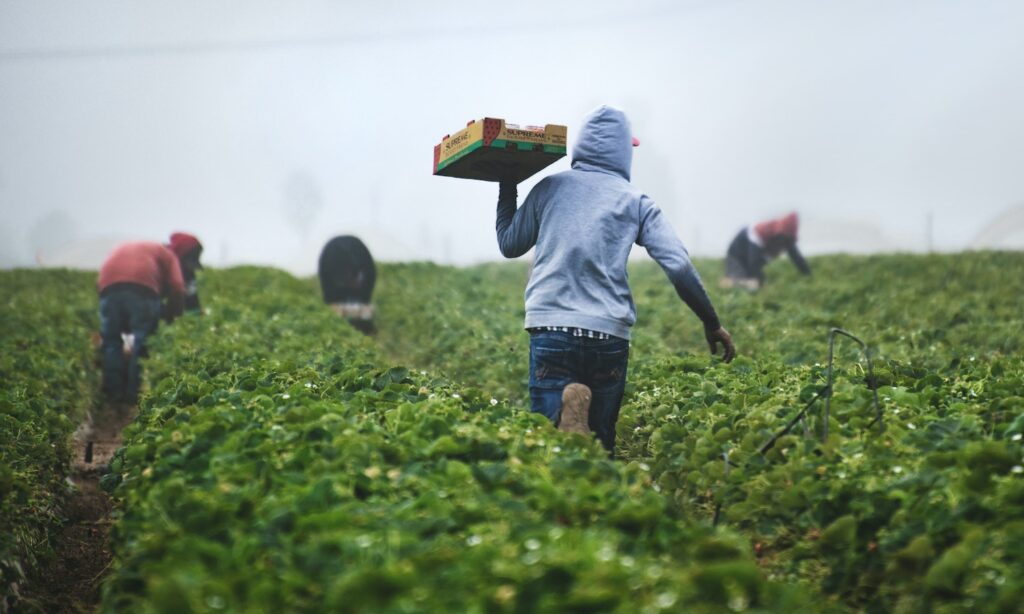
The agricultural industry in the United States relies heavily on a vast workforce, a significant portion of which consists of undocumented immigrants.
While exact numbers are difficult to determine due to the nature of undocumented status, estimates suggest that hundreds of thousands of farm workers lack legal authorization to work. These individuals often fill critical labor gaps in harvesting crops and maintaining farms, particularly in states with large agricultural sectors.
Despite their essential role, they frequently work under challenging conditions with limited protections. Understanding the scope of undocumented labor in farming is key to addressing broader debates on immigration, labor rights, and food production.
 Nebraska immigrant workers
How Many Farm Workers Are Illegal Immigrants in the United States?
A significant portion of the agricultural workforce in the United States is composed of immigrants, many of whom are undocumented. While exact figures are challenging to determine due to the nature of undocumented employment, studies and government reports consistently estimate that approximately 50% to 75% of farm workers in the U.S. are unauthorized immigrants.
The vast majority of these workers originate from Mexico and Central American countries, drawn to seasonal agricultural jobs due to limited economic opportunities in their home nations. The U.S.
Department of Agriculture (USDA) and the Department of Labor (DOL) rely heavily on data from the National Agricultural Workers Survey (NAWS), which provides one of the most comprehensive sources on the demographics of farm laborers. According to NAWS data from recent years, roughly 70% of agricultural workers are foreign-born, and of those, about two-thirds lack legal authorization to work in the country.
This heavy reliance on undocumented labor reflects deep structural issues in U.S. immigration policy and labor demands, especially in labor-intensive sectors like fruit, vegetable, and dairy farming. Employers often depend on these workers due to the physically demanding nature of the work and the lack of consistent interest from the domestic workforce, particularly for low-wage, seasonal positions.
 Canada immigration news update skilled workers
Estimates from the National Agricultural Workers Survey (NAWS)
The National Agricultural Workers Survey (NAWS), conducted by the U.S. Department of Labor, is a critical source for understanding the characteristics of the nation’s farm workforce. Since its inception in 1988, NAWS has provided detailed, ongoing data collected through in-person interviews with farm workers across multiple states.
According to the most recent publicly available NAWS data, about 70% of farm workers are born outside the United States, with the overwhelming majority hailing from Mexico. Of those foreign-born workers, roughly 67% are estimated to be unauthorized immigrants, meaning they lack valid work visas or legal permanent residency.
These figures underscore how deeply entrenched undocumented labor is in U.S. agriculture. The survey also reveals trends in working conditions, wages, and migration patterns, helping policymakers and researchers understand the human side of food production.
While NAWS does not cover every farm worker in the country, its sampling methodology makes it one of the most reliable tools for estimating the presence of unauthorized workers in the agricultural sector.
 Canada immigration list of skilled workers
The percentage of undocumented farm workers varies significantly across different U.S. regions, reflecting local economies, crop types, and proximity to the U.S.-Mexico border. In states like California, Texas, Florida, and Washington, where large-scale fruit, vegetable, and nut farming dominate, the agricultural industries are particularly dependent on immigrant labor.
California, which produces over a third of the country’s vegetables and two-thirds of its fruits and nuts, is home to an estimated 90% of its farm workers being Latino, with a large portion of them undocumented.
In contrast, in the Midwest or Northeast, where farming tends to be mechanized and focused on grains or dairy, the share of unauthorized workers may be somewhat lower, though still substantial.
Still, dairy farms in states like Vermont and New York have increasingly relied on immigrant labor, including undocumented workers, for milking and maintenance. These regional disparities highlight the uneven distribution of undocumented labor and the challenges of creating a uniform agricultural labor policy across diverse farming landscapes.
Challenges in Collecting Accurate Data on Immigration Status
Obtaining precise numbers on how many farm workers are undocumented is inherently difficult due to the sensitive nature of immigration status and the fear of deportation among unauthorized workers. Many farm laborers are hesitant to disclose their legal status, even in anonymous government surveys, which can lead to underreporting or data gaps.
Additionally, because a large portion of agricultural work occurs in rural or isolated areas, oversight is often minimal, and many employers operate informally, paying workers in cash and avoiding formal payroll systems.
This informal hiring makes it harder to track employment legally and increases the presence of undocumented workers in the system. While sources like NAWS provide helpful estimates, they too face limitations such as sample size and selection bias.
Furthermore, changes in immigration enforcement policies—such as raids, deportations, or work visa availability—can influence both worker mobility and willingness to participate in surveys. Therefore, all statistics on undocumented farm labor should be interpreted as informed estimates rather than definitive counts.
| Source | Total Farm Workers (Estimate) | Foreign-Born Farm Workers | Estimated Unauthorized Farm Workers | Primary Countries of Origin |
|---|---|---|---|---|
| NAWS (2020–2022) | 1.2 million | ~70% | ~67% of foreign-born (~47% of total) | Mexico, Guatemala, Honduras |
| USDA Economic Research Service | 1.1 – 1.3 million | 65% – 75% | 50% – 75% of agricultural laborers | Mexico, El Salvador, other Latin American nations |
| Pew Research Center (2021) | ~1 million | 73% | ~53% of total farm workers | Mexico |
How Many Farm Workers Are Undocumented Immigrants in the U.S.?
What percentage of agricultural workers in the U.S. are undocumented immigrants?
Estimated Percentage of Undocumented Immigrants Among U.S. Agricultural Workers
- According to data from the U.S. Department of Agriculture (USDA) and reports by the Pew Research Center, approximately 50% of hired crop workers in the United States are estimated to be undocumented immigrants. This figure has remained relatively consistent over the past two decades, despite fluctuations in immigration enforcement and labor policies.
- The National Agricultural Workers Survey (NAWS), conducted by the U.S. Department of Labor, provides detailed insight into the demographics of farm laborers. Data from recent NAWS reports indicate that around 47% to 52% of agricultural workers lack legal authorization to work in the U.S., with higher concentrations in specific sectors such as crop harvesting and fruit picking.
- Regional variations exist, with states like California, Texas, and Florida reporting even higher percentages of undocumented labor in agriculture due to the large-scale nature of farming operations and reliance on seasonal labor. These figures underscore the significant dependence of the U.S. agricultural sector on undocumented labor.
Factors Contributing to High Levels of Undocumented Labor in Agriculture
- One major factor is the shortage of U.S.-born workers willing to perform the physically demanding, seasonal, and often low-wage work typical in agriculture. Many jobs in farming require long hours in extreme weather conditions, which limits domestic labor supply.
- The H-2A temporary agricultural visa program, designed to bring in foreign workers legally, is often criticized for being complex, expensive, and slow to process. As a result, many farm employers find it more practical to hire undocumented workers who are already present in the country and can be employed informally.
- Historical migration patterns and established social networks also play a role. Many undocumented agricultural workers come from Mexico and Central America and are connected to extended family or community members who have previously worked in U.S. agriculture, facilitating continued migration and job placement.
Impact of Undocumented Workers on the U.S. Agriculture Industry
- Undocumented workers are integral to the functioning of the U.S. agricultural sector, filling essential roles in planting, cultivating, and harvesting crops. Without this labor force, many farms would face severe labor shortages that could disrupt food production and increase consumer prices.
- Despite their critical role, undocumented workers often face challenges such as lower wages, limited access to healthcare, and lack of job protections. Their immigration status makes them vulnerable to exploitation, and many work in substandard housing and transportation conditions provided by employers.
- The reliance on undocumented labor also poses long-term risks to agricultural sustainability. Policy changes, increased immigration enforcement, or shifts in migration patterns could significantly affect labor availability, prompting calls for comprehensive immigration reform and modernization of agricultural labor programs.
What percentage of U.S. farms are owned by family operations, and how does immigration status impact farm labor demographics?
Family Ownership of U.S. Farms
- The vast majority of U.S. farms are operated by family-owned businesses. According to data from the U.S. Department of Agriculture (USDA), approximately 98% of all farms in the United States are family-owned and operated. This includes a wide range of farm sizes, from small subsistence farms to large commercial operations.
- Family farms are defined by the USDA as any farm where the majority of the business is owned by individuals related by blood, marriage, or adoption, and at least one family member is involved in day-to-day operations or management decisions.
- Despite the dominance of family ownership in terms of numbers, it's important to note that large non-family corporate farms control a significant portion of agricultural sales. While they represent a small fraction of total farms, they often manage larger acreage and contribute heavily to the nation's food production, especially in sectors like dairy, poultry, and corn.
Role of Immigrant Labor in U.S. Agriculture
- Immigrant workers play a critical role in the U.S. agricultural labor force, particularly in labor-intensive sectors such as fruit, vegetable, and dairy production. Studies and surveys, including those by the USDA and the U.S. Bureau of Labor Statistics, estimate that between 70% and 80% of hired crop workers in the U.S. are foreign-born, with the majority originating from Mexico and Central American countries.
- Many of these workers come to the U.S. through the H-2A visa program, which allows agricultural employers to hire foreign workers temporarily when there is a shortage of domestic labor. The use of the H-2A program has increased significantly over the past two decades, reflecting both labor demands and tighter immigration enforcement.
- Immigration status greatly influences working conditions and job security for farm laborers. A substantial number of agricultural workers are undocumented, which can make them vulnerable to exploitation, lower wages, and limited access to labor protections due to fears of deportation or job loss.
Impact of Immigration Policy on Farm Labor Demographics
- Changes in U.S. immigration enforcement policies have directly affected the availability and composition of the farm labor force. Stricter immigration regulations and increased border enforcement since the early 2000s have reduced the inflow of new undocumented workers, leading to labor shortages in rural agricultural regions.
- As a result, many farmers have reported difficulties in finding reliable workers, particularly during peak harvest seasons. This has driven greater reliance on the H-2A visa program, which now sees over 300,000 certifications annually—up from just over 40,000 in 2005.
- The demographic profile of farmworkers has also shifted. With fewer new undocumented migrants entering the country, the existing workforce is aging, and there is limited interest among younger U.S.-born workers to take on seasonal agricultural work due to its physically demanding nature and often low pay. This demographic trend raises concerns about the long-term sustainability of the current labor model in U.S. agriculture.
Frequently Asked Questions
Approximately 50% to 70% of farm workers in the United States are estimated to be unauthorized immigrants, according to recent studies by the U.S. Department of Agriculture and the Pew Research Center.
These workers play a crucial role in harvesting crops and maintaining agricultural productivity, particularly in labor-intensive sectors like fruits, vegetables, and dairy. Exact numbers vary by region and year, but the reliance on undocumented labor remains significant.
Unauthorized immigrants often work in U.S. agriculture due to labor shortages, physically demanding work conditions, and relatively low wages that deter many native-born workers.
Farm jobs typically require long hours, seasonal availability, and work in remote areas, making them less appealing to some U.S.-born individuals. Employers increasingly rely on immigrant labor to maintain crop yields and meet food production demands, especially where mechanization is limited or impractical.
Unauthorized immigrants provide essential labor that sustains the U.S. farming industry, particularly in crop harvesting and livestock operations. Without this workforce, many farms could face labor shortages, leading to reduced crop yields, higher food prices, and economic losses.
However, reliance on undocumented workers also raises legal and ethical concerns, including worker rights, wage suppression, and uncertainty under changing immigration enforcement policies.
Estimates of unauthorized farm workers come from multiple sources, including the U.S. Department of Agriculture's National Agricultural Workers Survey (NAWS), the Census Bureau’s American Community Survey, and research by the Pew Research Center.
These surveys collect demographic, employment, and immigration status data from farm workers across states. While exact figures are challenging due to the nature of undocumented populations, these sources provide reliable estimates through sampling and statistical modeling.
Leave a Reply