
How many illegal immigrants are farm workers
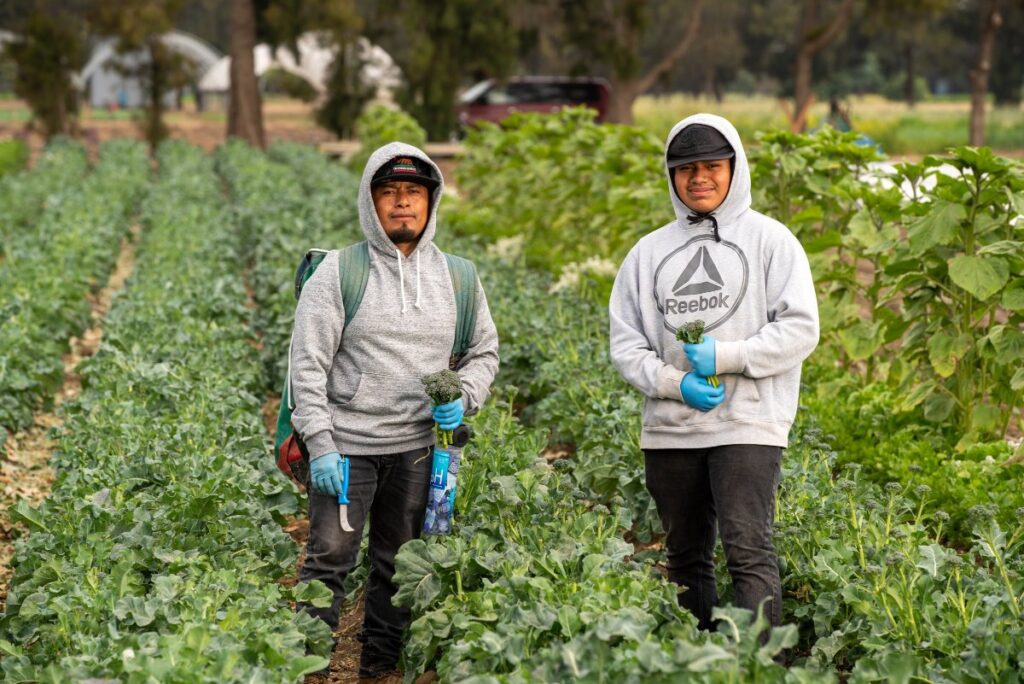
An estimated 50 to 70 percent of farm workers in the United States are undocumented immigrants, forming the backbone of the nation's agricultural labor force.
These workers perform physically demanding tasks under challenging conditions, often for low wages and with limited legal protections. Despite their critical role in producing much of the country’s food supply, their immigration status leaves them vulnerable to exploitation and marginalization.
Accurate numbers are difficult to determine due to the nature of undocumented employment, but government reports and studies consistently indicate that a significant majority of farm laborers lack legal authorization. This reality raises complex questions about immigration policy, labor rights, and food system sustainability.
 What percentage of illegal immigrants are farm workers
How Many Illegal Immigrants Work in U.S. Agriculture?
The agricultural sector in the United States relies heavily on immigrant labor, with a significant portion of farmworkers being undocumented. Precise estimates vary due to the challenging nature of measuring undocumented populations, but studies suggest that approximately 40% to 50% of farmworkers in the U.S. are unauthorized immigrants.
According to data from the U.S. Department of Agriculture (USDA) and the National Agricultural Workers Survey (NAWS), the majority of these workers come from Mexico and Central America. These individuals often fill essential roles in harvesting, planting, and cultivating crops, particularly in labor-intensive sectors like fruits, vegetables, and dairy.
Despite their critical contribution to the nation’s food supply, many face precarious working conditions, limited access to legal protections, and the constant threat of deportation. Immigration enforcement policies, guest worker programs like the H-2A visa, and debates over agricultural labor needs are central to discussions about reforming the system.
Estimating the exact number of undocumented farmworkers is difficult due to the hidden nature of undocumented populations and limitations in data collection. However, multiple sources paint a consistent picture.
 Canada immigration news update skilled workers
According to the National Agricultural Workers Survey (NAWS), conducted by the U.S. Department of Labor, approximately 49% of all agricultural workers in the U.S. were unauthorized immigrants as of recent surveys. The Pew Research Center corroborates this, reporting that around 73% of hired crop workers lack legal authorization.
These figures highlight the agricultural industry's deep dependence on undocumented labor. While legal immigrants and U.S.-born citizens also contribute to farming, unauthorized workers remain overrepresented in physically demanding, low-wage roles that often lack benefits and job security.
Geographic and Crop-Specific Concentrations of Undocumented Farm Labor
Undocumented farmworkers are not evenly distributed across the U.S.; their presence is concentrated in states and crops that demand extensive manual labor.
States like California, Washington, Florida, and Texas employ a majority of the country’s farm labor force, and in these regions, undocumented workers represent a disproportionate share. For instance, in California—the nation’s largest agricultural producer—over half of all farmworkers are estimated to be unauthorized.
 Canada immigration list of skilled workers
Labor-intensive crops such as strawberries, lettuce, tomatoes, and dairy rely particularly on undocumented labor due to the need for precise, continuous harvesting. Because mechanization remains limited in these sectors, growers often argue that they cannot meet labor demands without relying on undocumented or guest workers through programs like H-2A.
Impact of Immigration Policies on Farm Labor Supply
Immigration enforcement and visa programs directly influence the availability of farm labor. The H-2A visa program, which allows employers to hire foreign workers for temporary agricultural jobs, has seen a dramatic increase in use, but it does not fully replace undocumented labor due to high costs and bureaucratic complexity.
As enforcement along the southern border has tightened, some farmers report labor shortages and unsown or unharvested crops. Conversely, fear of deportation has discouraged some undocumented workers from seeking employment or moving freely.
This creates a volatile labor market where farms struggle to maintain productivity. Some experts argue for immigration reform that includes a path to legal status for existing farmworkers and improvements to guest worker systems to stabilize the food production chain.
 Canada immigration for skilled workers
| Statistic Source | Estimated % of Unauthorized Farmworkers | Year of Data |
|---|---|---|
| National Agricultural Workers Survey (NAWS) | 49% | 2019–2020 |
| Pew Research Center | 73% (crop workers) | 2014 (estimated) |
| U.S. Department of Agriculture (USDA) | 40%–50% | 2021–2022 |
| Center for Migration Studies | 62% (agricultural workers) | 2018 |
How Many Undocumented Immigrants Work in U.S. Agriculture: A Detailed Overview
What percentage of farm workers are undocumented immigrants?

Estimated Percentage of Undocumented Immigrants Among U.S. Farm Workers
- According to data from the U.S. Department of Agriculture (USDA) and the National Agricultural Workers Survey (NAWS), approximately 40% to 50% of farm workers in the United States are undocumented immigrants. This estimate has remained relatively consistent over the past two decades, despite fluctuations in immigration enforcement and agricultural labor demand.
- The exact percentage varies by region and crop type. For example, in states like California, Florida, and Texas—major agricultural hubs—the share of undocumented workers in farming can exceed 60% in certain sectors such as fruit and vegetable harvesting.
- These figures are derived from government surveys and academic research, though underreporting and the informal nature of some hiring practices may lead to variations in precise estimates. NAWS, which conducts anonymous interviews with farmworkers, is one of the most reliable sources for this demographic data.
Factors Contributing to High Rates of Undocumented Labor in Agriculture
- One primary factor is the seasonal and physically demanding nature of farm work, which often deters domestic workers from pursuing long-term employment in the sector. Employers frequently rely on immigrant labor due to its availability and willingness to accept lower wages and challenging working conditions.
- Historical immigration patterns and longstanding labor pipelines, especially from Mexico and Central America, have established networks that facilitate the movement of workers into U.S. agricultural regions, sometimes without legal documentation.
- Additionally, the H-2A visa program, which allows employers to hire foreign workers for temporary agricultural jobs, is often criticized for being cumbersome and expensive. As a result, some farmers resort to hiring undocumented workers as a more accessible and flexible labor source.
Impact of Undocumented Farm Workers on the U.S. Food System
- Undocumented farm workers play an essential role in maintaining the productivity and affordability of the U.S. food supply. They are heavily involved in labor-intensive tasks such as planting, harvesting, and packing fresh produce, which require large workforces within narrow timeframes.
- Research shows that restrictions on undocumented labor, such as increased enforcement or deportation efforts, can lead to labor shortages, crop losses, and increased food prices. Some agricultural regions have reported difficulty filling positions even when offering higher wages to U.S.-born workers.
- The reliance on undocumented labor also raises concerns about worker protections, wage suppression, and ethical employment practices. Many undocumented workers face challenges in accessing legal rights, healthcare, and fair wages due to their immigration status, making labor reform in agriculture a complex and ongoing issue.
What percentage of farm workers in the U.S. are undocumented immigrants?
According to multiple studies and government reports, approximately 48% to 50% of farm workers in the United States are undocumented immigrants. Data from the U.S. Department of Agriculture (USDA) and the National Agricultural Workers Survey (NAWS), conducted by the U.S.
Department of Labor, consistently indicate that nearly half of the agricultural workforce lacks legal authorization to work in the country. This percentage has remained relatively stable over the past two decades, despite fluctuations in immigration enforcement and labor demand.
The heavy reliance on undocumented labor is particularly pronounced in labor-intensive sectors such as fruit, vegetable, and dairy production, where mechanization is limited and seasonal work demands a flexible workforce.
 Canada immigration for healthcare workers
Factors Contributing to High Rates of Undocumented Labor in Agriculture
- Economic necessity drives many undocumented immigrants to seek employment in agriculture due to limited job opportunities in their home countries and the demand for low-wage labor in U.S. farming operations.
- Agricultural jobs often offer seasonal or temporary employment, making them less attractive to U.S.-born workers who may prefer stable, year-round positions with benefits, thus creating a labor gap filled by immigrant workers.
- Historical patterns, including past guest worker programs and informal hiring networks, have established pathways for undocumented workers to enter and remain in the agricultural sector over generations.
Regional Variations in Undocumented Farm Worker Populations
- In states like California, which produces over a third of the country’s vegetables and two-thirds of its fruits and nuts, estimates suggest that up to 60% or more of farm workers may be undocumented.
- Texas, Florida, and Washington also report high concentrations of undocumented labor in agriculture, particularly in citrus, vegetable, and berry farming, where manual harvesting is essential.
- In contrast, regions with smaller-scale or diversified farming operations, such as the Northeast and parts of the Midwest, may have lower proportions of undocumented workers, though they still rely significantly on immigrant labor.
Impact of Immigration Policies on the Agricultural Workforce
- Strict immigration enforcement can lead to labor shortages on farms, as seen during periods of increased workplace raids or tighter border controls, prompting agricultural employers to voice concerns about workforce availability.
- Proposals to reform guest worker programs, such as the H-2A visa, aim to provide a legal channel for foreign agricultural labor, but many farmers report that the program is cumbersome, expensive, and insufficient to meet labor needs.
- Without comprehensive immigration reform that includes a pathway for existing undocumented workers and a reliable system for future labor needs, the agricultural sector is likely to continue depending on an undocumented workforce to sustain production.
Frequently Asked Questions
How many illegal immigrants work in U.S. agriculture?
Approximately 50% of farmworkers in the United States are undocumented immigrants, according to estimates from the U.S. Department of Agriculture and the Pew Research Center. This means around 500,000 to 700,000 unauthorized workers are employed in crop farming.
They play a vital role in harvesting fruits, vegetables, and other perishable goods, often filling labor shortages that citizen workers do not fill due to the physically demanding nature of the job.
Why are undocumented workers so common in farm labor?
Undocumented workers are prevalent in farm labor because the work is physically demanding, seasonal, and often poorly paid, making it less attractive to U.S.-born workers.
Farmers rely on a steady, flexible workforce to meet harvest deadlines, and undocumented immigrants often provide that stability. Additionally, immigration policies have not created sufficient legal pathways for low-skilled agricultural laborers, leading to continued reliance on unauthorized workers despite legal risks.
Do illegal immigrant farmworkers have legal protections?
Yes, undocumented farmworkers in the U.S. are entitled to certain legal protections under federal labor laws. They have the right to fair wages, safe working conditions, and freedom from discrimination or abuse, regardless of immigration status.
However, fear of deportation often discourages them from reporting violations. Some states have strengthened worker protections, but enforcement remains inconsistent, leaving many vulnerable to exploitation by unscrupulous employers.
How does illegal immigration affect the U.S. farming industry?
Illegal immigration significantly impacts U.S. agriculture by providing a critical labor force for labor-intensive crops. Without undocumented workers, many farms would struggle to find enough workers, potentially leading to reduced crop yields or increased food prices.
While this reliance raises legal and ethical concerns, it also highlights the need for comprehensive immigration reform to create legal labor solutions that support both farmers and workers.
Leave a Reply