
Farm workers immigration
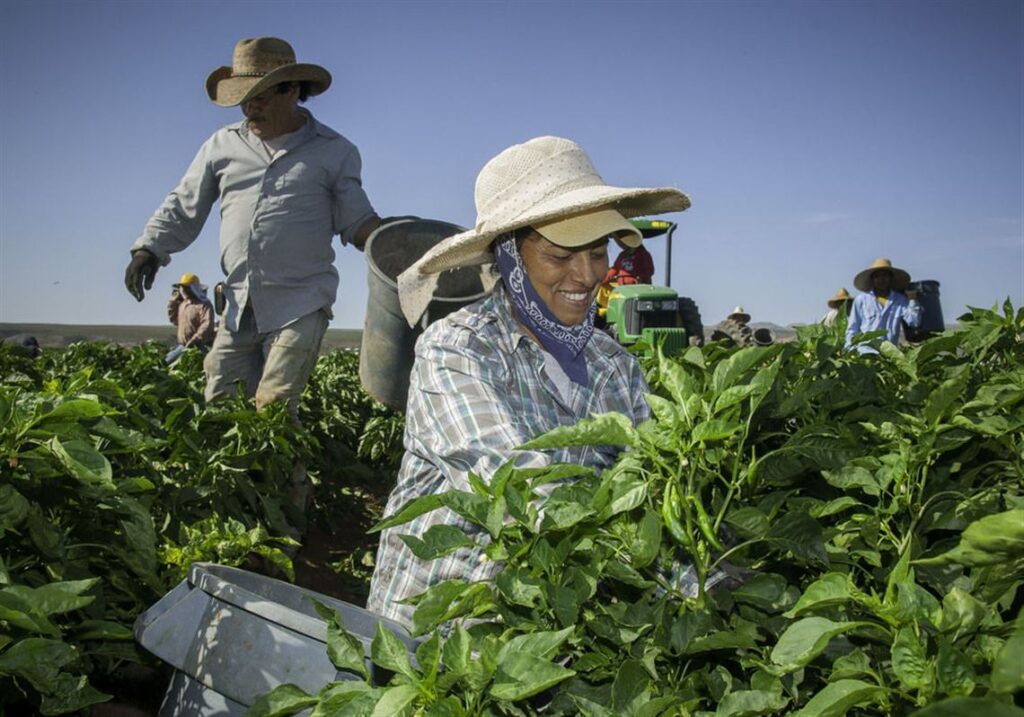
Farm workers play a vital role in sustaining the agricultural industry, yet many operate within a complex and often precarious immigration system.
In the United States and other developed nations, a significant portion of the farming workforce consists of immigrants, many of whom are undocumented or hold temporary visas. These laborers face challenging working conditions, limited legal protections, and constant uncertainty about their status.
Immigration policies directly impact labor availability, food production, and rural economies. As debates over immigration reform continue, the lives of farm workers remain deeply affected by evolving regulations, enforcement practices, and societal attitudes toward migrant labor in the agricultural sector.
 Florida immigrant workers
Farm Workers and Immigration: The Backbone of U.S. Agriculture
A significant portion of the U.S. agricultural workforce consists of immigrant laborers, many of whom come from Mexico and Central America. These farm workers play a crucial role in harvesting, planting, and maintaining crops that supply food across the nation.
Despite their essential contributions, many operate in vulnerable conditions due to their immigration status, limited access to labor protections, and exposure to physically demanding work environments.
Immigration policies directly affect the availability and rights of these workers, creating ongoing debate over labor rights, food security, and pathways to legal status. As agriculture continues to rely heavily on immigrant labor, understanding the dynamics of farm workers immigration is key to shaping fair and sustainable policies.
Demographics and Origins of Immigrant Farm Workers
The majority of immigrant farm workers in the United States originate from Mexico, with growing numbers also coming from Central American countries like Guatemala, Honduras, and El Salvador. According to data from the U.S.
 Florida immigration workers
Department of Agriculture and the National Agricultural Workers Survey (NAWS), over 70% of farm workers are foreign-born, with most having entered the country either legally through guest worker programs or without authorization. Many are concentrated in agricultural states such as California, Florida, and Washington.
These workers often face language barriers, low levels of formal education, and limited access to healthcare and housing, which compound the challenges associated with their occupation and immigration status.
Legal Pathways and Guest Worker Programs
The primary legal avenue for immigrant farm workers in the U.S. is the H-2A visa program, which allows agricultural employers to hire foreign nationals for temporary or seasonal work.
While the program has expanded in recent years due to labor shortages, it has been criticized for labor exploitation, as workers are tied to a single employer and may fear job loss if they report abuses. Additionally, the H-2A process is costly and cumbersome for farmers, limiting its accessibility.
 Nebraska immigrant workers
Advocates argue for reforms that would provide greater mobility, stronger protections, and improved working conditions under the program. Without viable alternatives, many workers continue to enter or remain in the U.S. without documentation, increasing their vulnerability to deportation and exploitation.
Economic Impact and Policy Challenges
Immigrant farm workers are indispensable to the U.S. economy, contributing billions annually to the agricultural output and helping maintain competitive food prices. Their labor supports key sectors such as fruits, vegetables, dairy, and nuts—many of which rely on manual harvesting that cannot easily be mechanized.
However, inconsistent immigration policies and enforcement practices create uncertainty for both workers and farmers. For instance, increased immigration enforcement may lead to labor shortages, raising production costs and threatening food supply chains.
Policymakers face the challenge of balancing border security with the need for a stable, legal workforce, prompting calls for comprehensive immigration reform that addresses the unique needs of agricultural labor.
 Canada immigration news update skilled workers
| Aspect | Description | Key Detail |
|---|---|---|
| Workforce Composition | Percentage of farm workers who are immigrants | Over 70% of U.S. farm workers are foreign-born |
| H-2A Visa Program | Legal temporary work program for agricultural labor | Over 300,000 H-2A positions certified in 2023 |
| States with Highest Need | Top agricultural states relying on immigrant labor | California, Florida, Washington, North Carolina |
| Key Challenges | Issues faced by undocumented and H-2A workers | Exploitation, lack of mobility, poor housing, deportation risks |
| Economic Contribution | Value generated by immigrant agricultural labor | Supports over $50 billion in annual U.S. crop value |
Farm Workers Immigration: A Comprehensive Guide to Policies, Processes, and Requirements
What percentage of farm workers are undocumented immigrants?
Estimates of Undocumented Immigrant Farm Workers in the United States
- According to the U.S. Department of Agriculture (USDA) and data from the National Agricultural Workers Survey (NAWS), approximately 40% to 50% of farm workers in the United States are undocumented immigrants. This range is based on surveys conducted over the past two decades, with the most recent reports indicating that the percentage remains stable around this level.
- The reliance on undocumented labor is especially prominent in labor-intensive sectors such as fruit, vegetable, and nut harvesting, where mechanization is limited and seasonal labor demands are high. These industries often depend heavily on migrant and seasonal workers, many of whom are not authorized to work under U.S. immigration law.
- Regional differences also affect these estimates. In states like California, Washington, and Florida—major agricultural producers—the proportion of undocumented farm workers can exceed 60% in some regions, reflecting the high demand for manual labor and the limited availability of domestic workers willing to perform these jobs under current working conditions and wages.
Challenges in Measuring Undocumented Farm Worker Populations
- Accurate data on undocumented farm workers is difficult to obtain due to the sensitive nature of immigration status and the informal hiring practices common in agriculture. Many workers are paid in cash or hired through labor contractors, which limits paper trails and official records.
- Surveys such as NAWS rely on self-reporting, and participants may be reluctant to disclose their immigration status due to fear of deportation or retaliation. This underreporting can skew data, making precise percentages challenging to confirm.
- Additionally, federal surveys often exclude certain populations, such as those living in remote rural areas or transient workers who move frequently between growing regions. These gaps mean that estimates are often based on extrapolations rather than comprehensive counts, leading to a degree of uncertainty in the final figures.
Contributing Factors to High Rates of Undocumented Labor in Agriculture
- One major factor is the structural demand for low-cost labor in U.S. agriculture. Farming operations, particularly small and mid-sized farms, operate on thin profit margins and often cannot afford to pay higher wages that might attract more U.S.-born workers.
- Another factor is the limitations of legal guest worker programs like the H-2A visa program. Although it allows farmers to hire foreign workers temporarily, the application process is burdensome, costly, and time-consuming, leading many employers to turn to informal labor networks instead.
- Finally, longstanding migration patterns and social networks play a role. Many undocumented farm workers come from Mexico and Central America and follow well-established routes into agricultural regions, where they find employment through word-of-mouth and community connections, perpetuating the cycle of undocumented participation in the sector.
Can agricultural workers qualify for a green card under U.S. immigration policies?
Special Provisions for Agricultural Workers in U.S. Immigration Law
- Yes, agricultural workers can qualify for a green card under specific provisions in U.S. immigration law, most notably through the Immigration Reform and Control Act (IRCA) of 1986, which created the Special Agricultural Workers (SAW) program. This program allowed undocumented farm workers who had worked in agriculture for a certain period to apply for temporary and eventually permanent residency.
- While the original SAW program is no longer accepting new applicants, its legalization led to many agricultural workers obtaining lawful permanent resident status. Some descendants or individuals who qualified under extensions and related provisions may still benefit from these past legalizations.
- In recent legislative efforts, various proposed bills—such as the Farm Workforce Modernization Act—have aimed to create new pathways to lawful permanent residence for undocumented agricultural workers who meet specific employment and eligibility criteria. Although not yet law, these proposals reflect ongoing recognition of the need for legal status reform for farm laborers.
Employment-Based Green Card Opportunities for Farm Workers
- Agricultural workers may be eligible for employment-based green cards if a U.S. employer sponsors them under specific categories, such as EB-3 (Skilled Workers, Professionals, and Other Workers). However, this route is uncommon for most farm laborers due to the requirement of labor certification and the availability of qualified U.S. workers.
- The process involves the employer obtaining a labor certification from the Department of Labor, proving that no willing and qualified U.S. workers are available for the position, which is often challenging in the agricultural sector due to the seasonal and low-wage nature of the work.
- Even when sponsorship is possible, agricultural workers face long processing times and numerical caps on visas, particularly affecting individuals from countries with high immigration demand. This makes the employment-based path difficult, though not entirely impossible, under current policies.
Temporary Agricultural Visas and Pathways to Permanent Residency
- Most agricultural workers enter the U.S. through the H-2A temporary agricultural visa program, which allows employers to hire foreign nationals for seasonal agricultural jobs. While the H-2A visa itself does not directly lead to a green card, it allows workers to gain lawful presence and work history that may support future immigration applications.
- Workers on H-2A visas are generally required to return to their home country after their employment period ends, but repeated participation in the program can establish a work record that may be beneficial if future legislative pathways to permanent residence become available.
- Some immigration reform proposals suggest creating a merit-based or tenure-based adjustment of status process for long-term H-2A workers, allowing those who have worked in U.S. agriculture for multiple seasons to apply for lawful permanent residence. As of now, no such automatic conversion exists, but policy discussions continue on this topic.
What immigration options are available for farm workers in the U.S.?

Temporary Agricultural Worker Visas (H-2A Program)
- The H-2A visa program allows U.S. farmers and agricultural employers to hire foreign nationals for temporary or seasonal agricultural work when there is a shortage of qualified U.S. workers. Employers must demonstrate that they have attempted to recruit domestic labor first and that the employment of foreign workers will not adversely affect the wages and working conditions of similarly employed U.S. workers.
- To qualify for H-2A status, workers must come from countries designated by the U.S. Department of State as eligible to participate. The visa is specifically tied to a specific employer and worksite, meaning workers cannot freely change jobs without going through additional legal processes. The employer is responsible for providing housing, transportation, and paying guaranteed wages as outlined in the labor contract.
- H-2A visas are typically issued for up to one year and can be extended in increments, but workers must generally leave the U.S. at the end of their contract unless they qualify for another visa or status. This program is one of the most used immigration pathways for foreign farm labor, especially in states with large agricultural sectors such as California, Florida, and Washington.
Prospective Legalization Under Proposed Immigration Reform
- Several immigration reform proposals in recent years, such as the Farm Workforce Modernization Act, aim to provide a path to legal status for undocumented farm workers who have been employed in agriculture for a certain period. These bills often include provisions for eligible workers to obtain temporary legal status and eventually qualify for lawful permanent residency (a green card) after meeting specific criteria.
- To qualify under proposed legislation, farm workers typically must demonstrate a minimum number of work hours in U.S. agriculture over a defined period, pass background checks, and pay applicable fees. These reforms aim to stabilize the agricultural workforce and address labor shortages by creating a more secure status for long-term workers.
- Although such bills have gained bipartisan support, none have been fully enacted into law as of 2024. However, they represent a significant potential immigration option in the future, particularly for the estimated hundreds of thousands of undocumented farm workers currently contributing to the U.S. agricultural economy.
Other Potential Immigration Avenues and Protections
- Some farm workers may qualify for immigration relief through humanitarian programs such as Asylum, Temporary Protected Status (TPS), or U visas for victims of crime. For example, individuals from countries affected by armed conflict or natural disasters may receive TPS, which allows them to live and work legally in the U.S. during designated periods.
- Undocumented farm workers who have lived in the U.S. for many years and have family members who are U.S. citizens or lawful permanent residents may explore options like cancellation of removal or family-based petitions, though these are case-specific and require careful legal evaluation. Prosecutorial discretion may also be exercised in certain cases to defer removal proceedings.
- Additionally, some farm workers who entered the U.S. legally and have maintained status may seek permanent residency through employment-based categories, especially if their employer sponsors them. However, these options are limited due to numerical caps and long processing times, making them less accessible for most low-wage agricultural workers.
What is the average wage for immigrant farm workers in the U.S.?
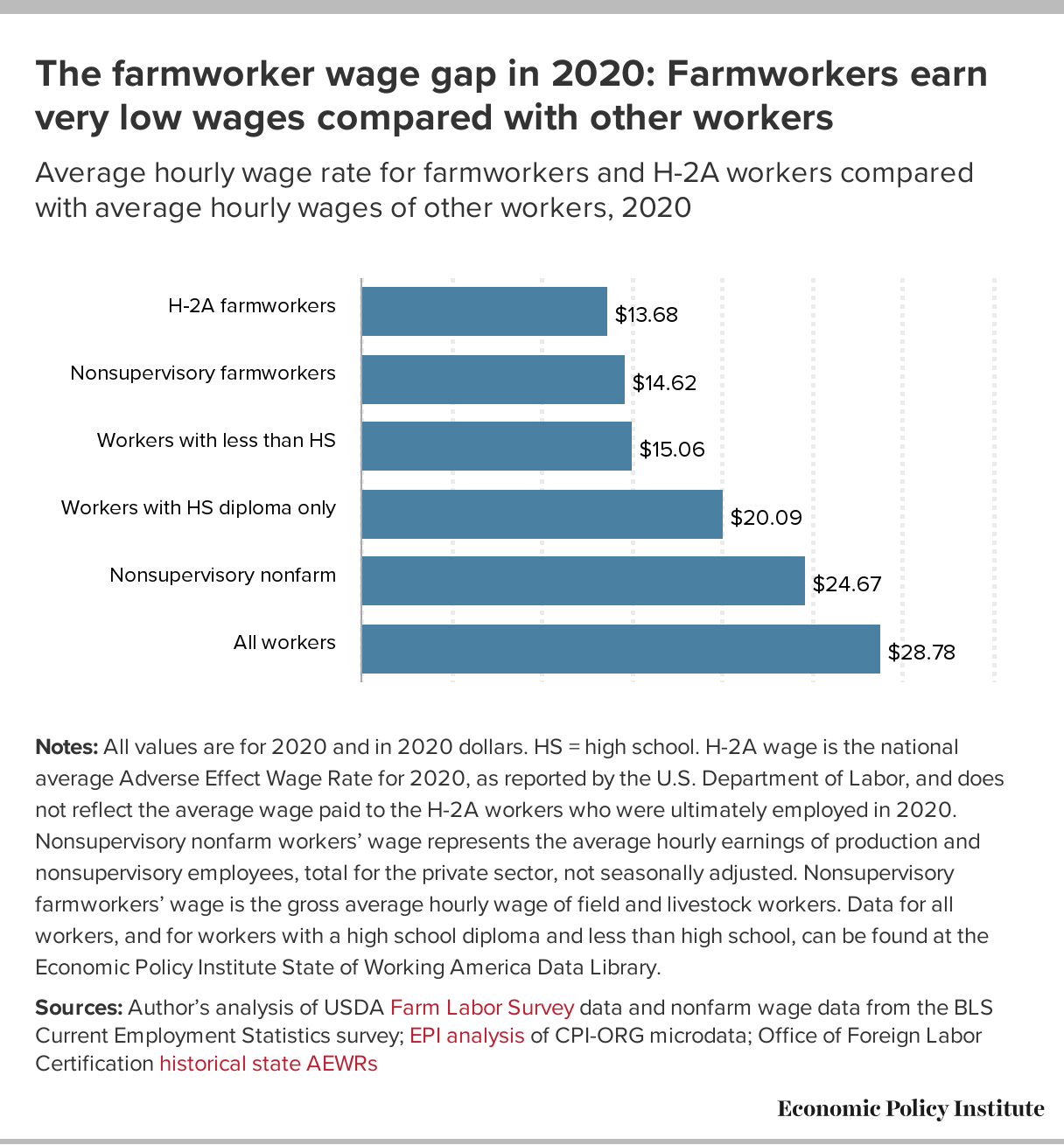
The average wage for immigrant farm workers in the U.S. varies significantly depending on region, crop type, labor arrangement, and legal status. As of recent data from the U.S. Department of Agriculture (USDA) and the Bureau of Labor Statistics (BLS), the median hourly wage for agricultural workers—of which the majority are immigrants—ranges from $13 to $15 per hour.
Many farm workers are employed seasonally and may work between 30 to 50 hours per week during peak seasons. However, due to the prevalence of piece-rate pay—where workers are paid based on the amount harvested rather than hours worked—actual earnings can be inconsistent.
 Canada immigration list of skilled workers
For example, a worker harvesting crops by the pound or bucket may earn below minimum wage in a slow week or exceed $15 per hour during a high-yield period. Annual income, if working full-time across multiple seasons, can range from $20,000 to $30,000, though this is not typical for most.
Undocumented workers often face lower wages due to limited labor protections and employer exploitation. Additionally, many do not receive benefits such as health insurance, paid sick leave, or overtime pay, as agricultural work is often exempt from standard labor regulations.
Factors Influencing Wages Among Immigrant Farm Workers
- Geographic location plays a key role; for instance, farm workers in California generally earn more than those in Southern states due to higher state minimum wages and stronger labor enforcement.
- Commodity type matters—workers harvesting labor-intensive crops like strawberries or lettuce often earn higher hourly rates than those working on large-scale grain farms, which are more mechanized.
- The employment structure, such as whether the worker is directly hired by a farm or through a labor contractor, can affect wage transparency and stability, with contractors sometimes reducing pay through hidden fees or unfilled promised hours.
Legal Status and Access to Fair Compensation
- Undocumented immigrant workers represent a large portion of the agricultural labor force, particularly in states like Florida, Texas, and California, and their lack of legal status makes them vulnerable to wage theft and below-minimum wage pay, as they are less likely to report abuses.
- Legal protections under the Migrant and Seasonal Agricultural Worker Protection Act (MSPA) exist but are often under-enforced, allowing some employers to avoid providing promised wages, transportation, or housing.
- Workers with H-2A visas, which are temporary agricultural visas, are guaranteed a minimum hourly wage set annually by the U.S. Department of Labor—often higher than state minimums—but are tied to a specific employer, limiting their ability to seek better pay or change jobs freely.
Impact of Unionization and Labor Advocacy
- Unionized farms or those under collective bargaining agreements, such as those represented by the United Farm Workers (UFW), tend to offer significantly better wages and working conditions compared to non-unionized operations.
- Advocacy campaigns have led to wage increases in specific regions; for example, Fair Food Program farms in Florida pay a premium per bucket of tomatoes, with additional funds going directly to workers as a bonus.
- Grassroots organizations and legal aid groups play a crucial role in recovering unpaid wages through litigation and worker education, helping to enforce existing labor laws that are otherwise applied unevenly.
Frequently Asked Questions
What is the H-2A visa program for farm workers?
The H-2A visa program allows U.S. agricultural employers to hire foreign workers temporarily when there is a shortage of domestic labor. Employers must prove they cannot find willing and able U.S. workers and must provide housing, transportation, and wages meeting federally established standards. Workers are admitted for a specific period, typically tied to the farming season, and must return home once the visa expires.
How does immigration status affect farm worker rights?
Farm workers, regardless of immigration status, are protected by U.S. labor laws, including minimum wage, workers’ compensation, and safe working conditions. However, undocumented workers may fear retaliation or deportation, making them less likely to report abuses. Legal status increases access to full protections and benefits, including Social Security and healthcare, which supports long-term stability and fair treatment in the agricultural workforce.
Why are immigrant workers essential to U.S. agriculture?
Immigrant workers make up a large portion of the U.S. agricultural labor force, often taking physically demanding jobs that many native-born workers avoid. They help maintain the affordability and availability of food by working on farms across the country. Without immigrant labor, many farms would struggle to harvest crops on time, leading to economic losses and potential food shortages in the supply chain.
What challenges do farm workers face during the immigration process?
Farm workers often face long wait times, complex paperwork, high fees, and limited legal assistance when navigating immigration processes. Language barriers and fear of deportation further complicate their ability to apply for visas or legal status. Additionally, temporary visa programs like H-2A offer little path to permanent residency, leaving workers in uncertain, dependent situations with limited mobility and job protections.
Leave a Reply