
Immigration farm workers
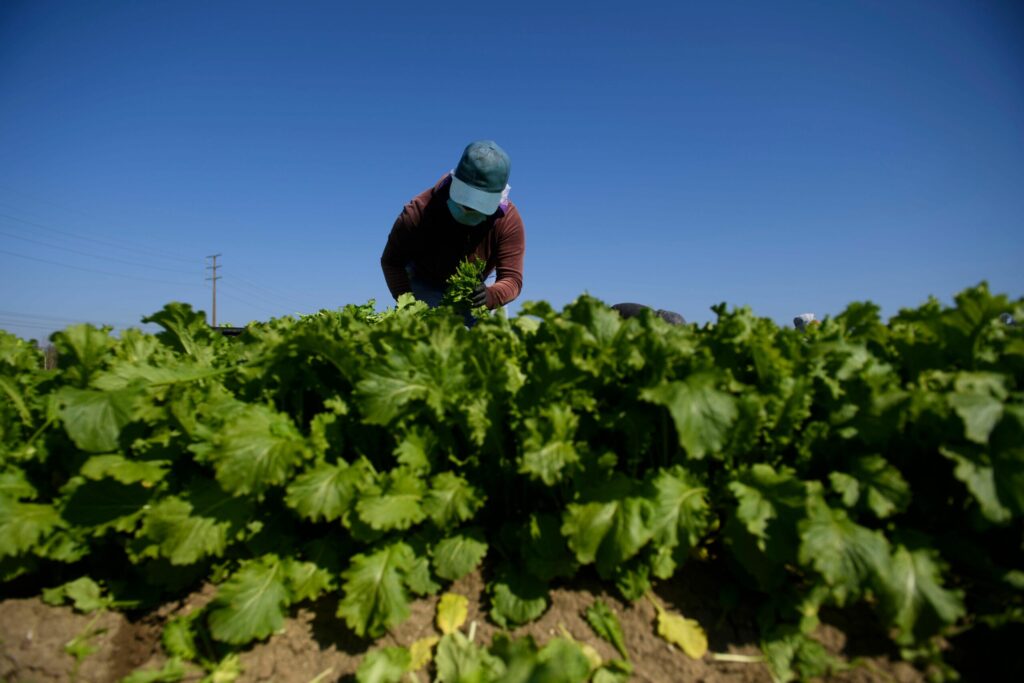
Immigration has long played a crucial role in shaping the agricultural workforce in countries like the United States.
Farm labor demands a steady, reliable workforce, and immigrants have consistently filled this need, often taking on jobs that are physically demanding and located in remote areas. From planting and harvesting crops to tending livestock, immigrant farm workers sustain the food supply chain while frequently working under challenging conditions.
Despite their essential contributions, these workers face complex legal, economic, and social challenges, including uncertain immigration status and limited access to healthcare or fair wages. Their presence underscores broader debates about labor rights, immigration policy, and food system sustainability.
 Did coca cola call ice on immigrant workers
The Critical Role of Immigrant Farm Workers in U.S. Agriculture
Immigrant farm workers are the backbone of the U.S. agricultural industry, playing a crucial role in planting, harvesting, and processing the food that reaches American tables.
Despite often working under challenging conditions, with long hours, limited access to healthcare, and uncertain legal status, these laborers continue to sustain one of the nation’s most essential sectors.
Many immigrant workers come from Mexico and Central America, drawn by the demand for labor in rural areas where domestic recruitment often falls short.
Their contributions are indispensable, especially in labor-intensive industries such as fruit, vegetable, and dairy production. Without their sustained efforts, food production would face significant disruptions, leading to higher costs and reduced availability of fresh produce.
 Did coca cola call immigration on their workers
Demographics and Origins of Immigrant Farm Workers
The majority of immigrant farm workers in the United States originate from Mexico and countries in Central America, such as Guatemala, Honduras, and El Salvador.
According to the U.S. Department of Agriculture (USDA) and the National Agricultural Workers Survey (NAWS), approximately 70% to 80% of farm laborers are foreign-born, with most being Mexican nationals, many of whom are either undocumented or hold temporary work visas.
These workers are typically young males, although women and families are increasingly part of the agricultural workforce. They often follow seasonal crop cycles, migrating across states such as California, Florida, and Washington to meet harvest demands.
Language barriers, limited education, and isolation in rural communities further shape their experiences and access to services, making outreach and support programs crucial for their well-being.
 Florida immigrant workers
A significant portion of immigrant farm workers in the U.S. lacks legal authorization to work, contributing to vulnerability in the labor market. While some are employed under the H-2A visa program—a temporary agricultural visa that allows employers to hire foreign workers when domestic labor is insufficient—the application process is complex and often prohibitively expensive for smaller farms.
Many workers enter or remain in the country without documentation due to limited visa availability, backlogs in family-based immigration, or economic necessity. As a result, undocumented farm workers face heightened risks of exploitation, wage theft, and workplace abuse, as fear of deportation prevents them from reporting violations.
Reform proposals, such as expanding guest worker programs or creating pathways to legal status for long-term farm laborers, are frequently debated but have yet to result in comprehensive legislative change.
Economic Contributions and Industry Dependence
The U.S. agricultural sector is heavily dependent on immigrant labor, with studies showing that farms employing immigrant workers are more likely to remain productive and competitive. It is estimated that immigrant farm workers contribute billions of dollars annually to the national economy by ensuring the timely harvest of high-value crops.
 Florida immigration workers
For example, industries like strawberries, lettuce, and dairy rely on consistent, skilled manual labor that is often difficult to source domestically. Employers frequently report labor shortages when immigrant workers are unavailable due to policy changes or border restrictions.
This dependency underscores a paradox: while these workers are essential to food security and economic output, they often receive low wages, minimal benefits, and inadequate housing. Recognizing their economic value is a critical step toward advocating for fair labor policies and dignity for this indispensable workforce.
| Aspect | Details | Significance |
|---|---|---|
| Percentage of Immigrant Workers | 70–80% of all farmworkers | Highlights reliance on foreign labor in agriculture |
| H-2A Visa Use | Over 300,000 positions certified in 2022 | Fast-growing but restrictive guestworker program |
| Top States Employing Immigrant Farm Workers | California, Florida, Washington, Texas | Account for over 60% of U.S. fruit and vegetable production |
| Average Hourly Wage (2023) | $14–$16 | Often below living wage in high-cost agricultural regions |
| Primary Countries of Origin | Mexico, Guatemala, Honduras, El Salvador | Reflects regional migration patterns and economic drivers |
Frequently Asked Questions
What are immigration farm workers?
Immigration farm workers are foreign-born individuals who come to a country, often temporarily, to work in agricultural jobs. These workers typically fill labor shortages in farming, harvesting, and packing crops.
Many enter through special visa programs like the H-2A visa in the U.S. They play a crucial role in maintaining food production and supporting the agricultural economy, despite often working in physically demanding conditions.
How do farm workers obtain legal immigration status?
Farm workers can obtain legal status through programs like the H-2A visa in the United States, which allows employers to hire foreign nationals for temporary agricultural jobs. Employers must prove labor shortages and meet wage and housing requirements.
Workers must return home after the contract ends unless rehired. Some may qualify for permanent residency through employment-based pathways, though these are less common and require meeting specific criteria.
What challenges do immigrant farm workers face?
Immigrant farm workers often face low wages, long hours, and harsh working conditions. Many lack access to healthcare, housing, and legal protections. Language barriers and immigration status can make them vulnerable to exploitation.
Fear of deportation may prevent reporting abuses. Additionally, seasonal work leads to job insecurity. Despite their essential role in food production, many live in poverty and struggle to support their families.
Why are immigrant farm workers important to agriculture?
Immigrant farm workers are vital to agriculture because they fill labor-intensive roles that are often difficult to staff locally. They help plant, harvest, and process much of the food supply in countries like the U.S. Without them, many farms would struggle to operate efficiently, leading to higher food costs and shortages. Their contributions support rural economies and ensure stable food production for growing populations.
Leave a Reply