
Racial discrimination against african americans

Racial discrimination against African Americans has been a persistent and deeply rooted issue in the United States, spanning centuries of systemic inequality.
From the legacy of slavery and Jim Crow laws to ongoing disparities in education, employment, housing, and the criminal justice system, African Americans continue to face structural barriers that limit opportunities and reinforce social inequity. Despite significant civil rights advancements, implicit bias and institutional racism endure, often manifesting in subtle yet impactful ways.
This article examines the historical foundations and contemporary realities of racial discrimination, highlighting its enduring effects on African American communities and the urgent need for sustained efforts toward equity, justice, and inclusive reform in American society.
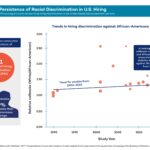 Racial discrimination against african americans in the us
Racial discrimination against African Americans remains a deeply entrenched issue in the United States, affecting every facet of life from employment and housing to healthcare and criminal justice.
Despite landmark civil rights legislation in the 1960s, systemic racism continues to shape institutions and policies, often disadvantaging Black communities. African Americans frequently face biases in hiring practices, wage disparities, and limited access to quality education and healthcare.
In the criminal justice system, studies consistently show that African Americans are more likely to be stopped, arrested, and sentenced more harshly than their white counterparts for similar offenses. This discriminatory treatment is rooted in centuries of slavery, segregation, and ongoing social inequities that perpetuate racial divides.
Moreover, implicit biases—unconscious attitudes or stereotypes held by individuals—further reinforce these inequalities, affecting decisions made by employers, educators, law enforcement, and medical professionals. Addressing this issue requires not only policy reforms but also a widespread cultural shift toward equity and inclusion.
 New jersey sexual harassment attorneys
Historical Roots of Racial Discrimination
The foundation of racial discrimination against African Americans can be traced back to the transatlantic slave trade and institutionalized slavery in the United States, which established a racial hierarchy that privileged whiteness and dehumanized Black people.
Even after emancipation in 1865, Jim Crow laws enforced racial segregation and denied African Americans basic civil rights, creating a legacy of disenfranchisement and economic marginalization.
Practices such as redlining—where banks refused loans to Black families in certain neighborhoods—deliberately restricted access to homeownership, wealth accumulation, and upward mobility. These systemic barriers have had long-lasting effects, contributing to persistent racial inequalities in income, education, and health outcomes.
Understanding this historical context is crucial to recognizing how past injustices continue to influence present-day disparities, revealing that modern discrimination is not isolated but embedded within broader social structures shaped by centuries of oppression.
 Sacramento sexual harassment attorneys
Discrimination in the Criminal Justice System
African Americans are disproportionately represented at every stage of the U.S. criminal justice system, from policing to sentencing, highlighting the pervasive nature of racial bias. Data from the Bureau of Justice Statistics shows that Black Americans are more likely to be stopped, searched, and arrested than white Americans, even when controlling for crime rates.
Once arrested, they often receive harsher sentences; for example, African American defendants are 20% more likely to be sentenced to prison than white defendants for similar crimes. The war on drugs, initiated in the 1980s, disproportionately targeted Black communities despite similar rates of drug use across racial groups.
This over-policing reinforces stereotypes and leads to mass incarceration, disrupting families and communities and perpetuating cycles of poverty. Reforms such as ending mandatory minimums, increasing police accountability, and investing in community-based alternatives to incarceration are essential steps toward a more just and equitable system.
Economic and Educational Inequities
Structural racism has created significant disparities in both economic opportunity and educational access for African Americans. Black workers, on average, earn less than their white counterparts even with similar qualifications, and the racial wealth gap remains stark—with the median white household holding nearly eight times the wealth of the median Black household.
Discrimination in hiring, promotions, and access to capital continues to hinder economic advancement. In education, African American students are more likely to attend underfunded schools, face harsher disciplinary actions, and have less access to advanced coursework. Segregation in schools persists due to housing patterns and zoning policies influenced by historical redlining.
These educational disparities limit future employment prospects and perpetuate cycles of poverty. Addressing these inequities requires targeted investments in underserved communities, anti-bias training in workplaces and schools, and policy interventions that promote fair wages and inclusive hiring practices.
| Area of Discrimination | Key Statistic | Impact on African Americans |
|---|---|---|
| Criminal Justice | Black men are 6 times more likely to be incarcerated than white men | Leads to family disruption, limited employment, and long-term socioeconomic challenges |
| Employment | Unemployment rate for African Americans is consistently double that of whites | Reduces income stability and wealth accumulation across generations |
| Healthcare | Black Americans have a life expectancy 4 years lower than white Americans | Reflects unequal access to care, environmental factors, and implicit bias in medical treatment |
Frequently Asked Questions
What is racial discrimination against African Americans?
Racial discrimination against African Americans refers to unfair treatment based on race in areas like employment, housing, education, and law enforcement. It stems from systemic racism and historical injustices, including slavery and segregation.
Discrimination can be overt or subtle, affecting opportunities and quality of life. It persists through biased policies, stereotypes, and unequal access to resources, contributing to social and economic disparities in American society.
How does systemic racism affect African Americans today?
Systemic racism impacts African Americans through entrenched inequalities in institutions like criminal justice, healthcare, and education. It leads to higher incarceration rates, lower-quality medical care, and underfunded schools in Black communities.
These disparities result from historical policies and ongoing bias. Systemic racism limits upward mobility and reinforces cycles of poverty, making it harder for African Americans to achieve equal outcomes despite individual effort and qualifications in many aspects of life.
What are examples of racial discrimination in employment?
Racial discrimination in employment includes biased hiring practices, unequal pay, denial of promotions, and unfair treatment at work. Studies show identical resumes with traditionally African American names receive fewer callbacks.
Black employees often face microaggressions or lack mentorship opportunities. Such discrimination contributes to wealth gaps and limits career advancement, reflecting broader societal inequities rooted in race and impacting long-term economic security and professional development for African Americans.
How can racial discrimination in education impact African American students?
Discrimination in education limits African American students’ access to quality resources, experienced teachers, and advanced courses. School funding disparities often disadvantage majority-Black schools. Bias in disciplinary actions leads to higher suspension rates, affecting academic performance.
These inequities contribute to lower graduation rates and reduced college attendance. Unequal education perpetuates cycles of poverty and restricts future opportunities, reinforcing systemic barriers that hinder African American achievement and social mobility.
Leave a Reply