
Wage and hour claim for unpaid wages
Workers across industries sometimes face the distressing reality of unpaid wages, whether through missed overtime, minimum wage violations, or outright denial of earned compensation.
A wage and hour claim serves as a legal recourse for employees to recover what they are rightfully owed under federal and state labor laws. These claims are often filed with agencies like the U.S. Department of Labor or through civil lawsuits.
Understanding the intricacies of wage and hour laws is essential, as violations can be subtle yet significantly impact an employee’s livelihood. Filing a claim not only seeks restitution but also helps hold employers accountable, reinforcing workplace standards for fair pay.
 How to claim unpaid wages
Understanding Wage and Hour Claims for Unpaid Wages
A wage and hour claim for unpaid wages is a legal action taken by an employee to recover compensation they are owed under federal or state labor laws.
These claims often arise when employers fail to pay minimum wage, do not compensate for overtime, withhold final paychecks, or misclassify employees as exempt from overtime. In the United States, the Fair Labor Standards Act (FLSA) establishes baseline standards for wages and overtime, while many states have additional protections.
Employees who believe they haven’t been paid properly can file a claim with the U.S. Department of Labor’s Wage and Hour Division or pursue a private lawsuit. Claims can cover unpaid wages going back two to three years, depending on whether the violation was willful. It's crucial for workers to document their hours, pay stubs, and communication with employers to support their case.
Common Types of Wage and Hour Violations
Employees may experience several forms of wage and hour violations that justify filing a claim. One widespread issue is failure to pay minimum wage, where workers are paid below the federal or applicable state rate. Another common violation is not paying for overtime work—non-exempt employees must receive time-and-a-half for hours worked over 40 in a workweek under the FLSA. Employers who misclassify employees as independent contractors or exempt from overtime also commit violations, depriving workers of rightful compensation. Other issues include off-the-clock work, where employees perform duties without pay, such as answering emails before clocking in, and withholding final paychecks after termination or resignation. Recognizing these violations is the first step in seeking restitution through a formal wage claim.
 Where do i file a claim for unpaid wages
Steps to File a Wage and Hour Claim
Filing a wage and hour claim involves several key steps to ensure the process is effective and legally sound. First, the employee should gather all relevant documentation, including timesheets, pay stubs, work schedules, and any communication with the employer about pay issues. Next, they can file a complaint with the Wage and Hour Division (WHD) of the U.S.
Department of Labor, either online, by phone, or in person at a local office. Alternatively, employees may file a claim with their state labor department, which may offer faster processing or stronger protections. The agency will then investigate, potentially conducting interviews and reviewing records.
If a violation is found, the employer may be required to pay back wages and, in some cases, liquidated damages. Workers also retain the right to pursue a private lawsuit in court, particularly if the damages are substantial or the employer resists cooperation.
Timeframes and Legal Protections for Claimants
Workers must be aware of the statute of limitations when pursuing a wage and hour claim, as it determines how far back they can recover unpaid wages. Under the FLSA, employees generally have two years to file a claim for non-willful violations and three years for willful violations. Some states offer longer periods, so location can significantly impact the claim's scope.
 File claim for unpaid wages
Additionally, federal law includes anti-retaliation protections that prohibit employers from firing, demoting, or otherwise punishing employees who file a wage claim or participate in an investigation. If retaliation occurs, the employee may be entitled to additional remedies, such as reinstatement or compensatory damages.
Because deadlines are strict and consequences for employers can be steep, it is often advisable to act promptly and consult with an employment attorney to navigate the legal landscape effectively.
| Violation Type | Description | Potential Remedy |
|---|---|---|
| Unpaid Overtime | Failure to pay 1.5 times regular rate for hours over 40/week | Back wages + liquidated damages (equal to back pay) |
| Minimum Wage Violation | Paying below federal or state minimum wage | Make-up pay to meet minimum + potential penalties |
| Off-the-Clock Work | Requiring tasks before/after official shifts without pay | Compensation for all hours worked + injunctive relief |
| Final Paycheck Withholding | Not paying earned wages after termination or resignation | Immediate release of wages + potential waiting time penalties |
| Employee Misclassification | Labeling non-exempt workers as exempt or independent contractors | Reclassification + back overtime and minimum wage claims |
Understanding Your Rights: What to Know Before Filing a Wage and Hour Claim
Employees who have not received wages they are legally entitled to may pursue a wage and hour claim to recover unpaid earnings, including minimum wage, overtime pay, and uncompensated work hours.
The Fair Labor Standards Act (FLSA) establishes federal standards for wage payment and overtime eligibility, while many states have additional labor laws that provide even greater protections. It is critical for workers to understand whether they are classified correctly as exempt or non-exempt employees, since misclassification is a common cause of unpaid wages.
Gathering documentation such as pay stubs, time records, and employment contracts strengthens a claim, and employees typically have a limited time—usually two to three years—to file, depending on the jurisdiction and whether the violation was willful.
Seeking guidance from the Department of Labor (DOL) or an employment attorney can help ensure compliance with procedural requirements and maximize the chances of full recovery.
Common Reasons for Unpaid Wages Claims
One of the most prevalent reasons for a wage and hour claim is wage theft, which includes failure to pay minimum wage, not compensating for all hours worked, or denying legally required overtime pay. Other common issues include employees being classified incorrectly as independent contractors or exempt workers when they should be non-exempt and eligible for overtime.
Employers may also commit violations by not paying wages for off-the-clock work, such as time spent preparing for shifts or responding to emails after hours. Deductions that bring an employee’s pay below the minimum wage, or not providing required meal and rest breaks in certain states, can also form the basis of a claim.
How to File a Wage Claim with the Department of Labor
Filing a wage claim with the U.S. Department of Labor (DOL) or a state labor agency begins with completing a formal complaint, often online or by mail. Employees must provide detailed information about their employer, job duties, hours worked, and evidence of unpaid wages.
The DOL will review the claim and may initiate an investigation, contacting the employer for records and potentially conducting audits. If violations are found, the DOL can order the employer to pay back wages and, in some cases, liquidated damages. This process is confidential, and retaliation against employees who file claims is illegal under federal law.
Difference Between Federal and State Wage Laws
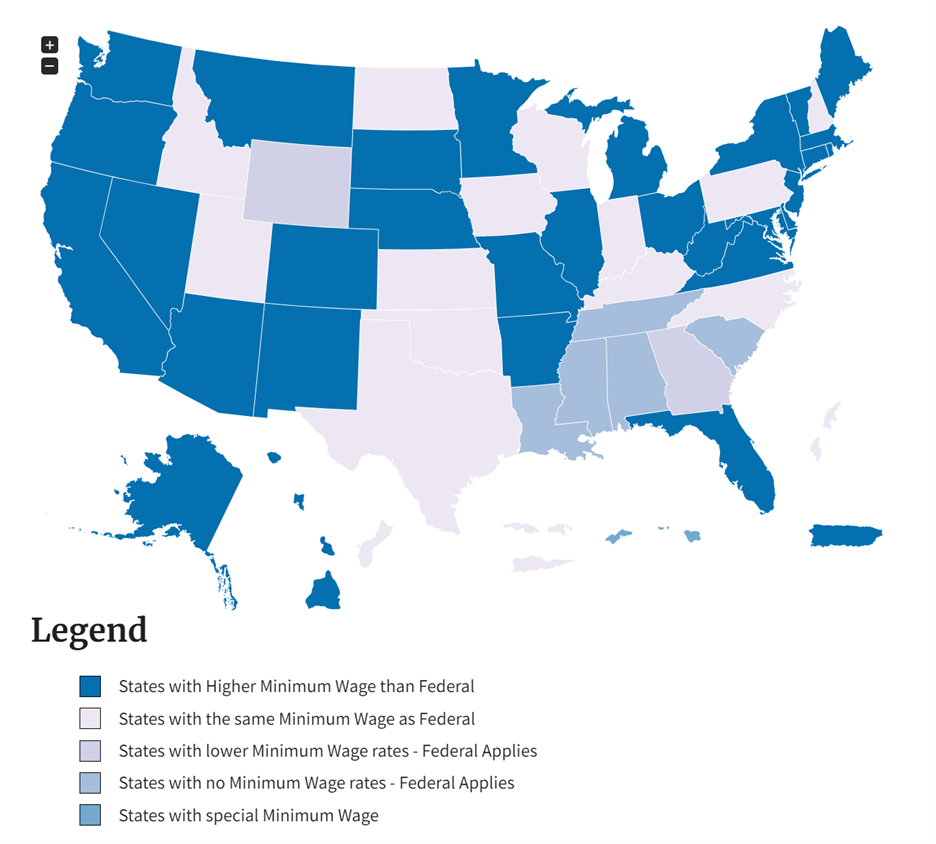
While the Fair Labor Standards Act (FLSA) sets the baseline for minimum wage and overtime requirements at the federal level, many states have stricter labor laws that offer greater protection. For example, some states have a higher minimum wage than the federal rate, mandate daily overtime, or require paid sick leave.
When federal and state laws differ, employees are entitled to the standard that provides the greater benefit. It's important to understand both sets of regulations, as a claim might be valid under state law even if it doesn’t qualify federally, expanding the avenues for wage recovery.
Statute of Limitations for Wage and Hour Claims
The statute of limitations determines how long an employee has to file a wage claim, and it varies depending on whether the claim is filed under federal or state law. Under the FLSA, the general time limit is two years for non-willful violations and three years for willful violations of wage laws.
Many states have similar or longer timeframes, allowing employees more time to seek back pay. However, delays can weaken a case, especially if records are lost or memories fade, so it’s advisable to act promptly and preserve all employment-related documents.
Protecting Yourself from Retaliation After Filing a Claim
Employees who file a wage and hour claim are protected by anti-retaliation provisions under the FLSA and various state laws, which make it illegal for employers to fire, demote, or otherwise punish workers for asserting their wage rights.
If an employer reduces hours, issues negative reviews, or creates a hostile work environment after a claim is filed, it may constitute illegal retaliation. Workers who experience such actions should document the incidents and report them immediately to the DOL or legal counsel, as they may be entitled to additional remedies, including reinstatement or compensatory damages.
Frequently Asked Questions
What is a wage and hour claim for unpaid wages?
A wage and hour claim for unpaid wages is a legal request filed by an employee to recover compensation they were not paid, such as minimum wage, overtime, or missed breaks. It addresses violations of federal or state labor laws. Employees can file these claims with agencies like the Department of Labor or in court to recover lost wages, penalties, and sometimes attorney fees.
How long do I have to file a wage and hour claim?
You typically have two years to file a wage and hour claim under federal law, or three years if the violation is willful. Some states have different deadlines, so it's important to act quickly. The clock starts from the date the wages were due. Consulting an attorney or filing promptly with the labor board helps ensure your claim isn’t dismissed for being late.
Can I be fired for filing a wage and hour claim?
No, it is illegal for an employer to fire or retaliate against you for filing a wage and hour claim. Federal and state laws protect employees who assert their wage rights. If you’re fired or punished after filing, you may have grounds for a separate legal claim for retaliation. Document everything and consider contacting an employment lawyer to protect your rights.
What evidence do I need for an unpaid wage claim?
To support an unpaid wage claim, gather pay stubs, timesheets, employment contracts, work schedules, and any communication about pay. If records are missing, your own detailed notes about hours worked can help. The employer must keep payroll records, and lack of documentation can sometimes support your claim. Strong evidence increases your chances of recovering unpaid wages successfully.
Leave a Reply