
How many undocumented immigrants are essential workers
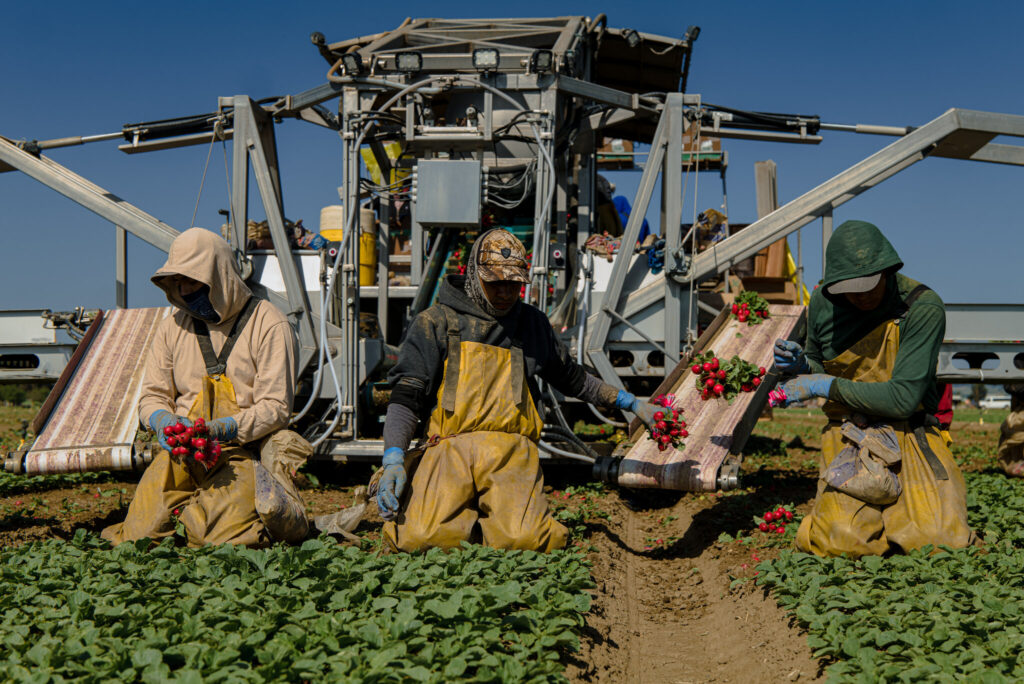
Undocumented immigrants play a critical role in the U.S. workforce, often filling essential jobs in industries such as agriculture, construction, healthcare, and food services.
Despite lacking legal status, hundreds of thousands contribute to the nation's economy by performing labor that keeps vital systems running. Estimates suggest that nearly 5 million undocumented immigrants reside in sectors classified as essential, particularly highlighted during the COVID-19 pandemic.
Their work supports public health, food supply chains, and daily operations in communities across the country. Yet, their contributions frequently go unrecognized, and they face significant challenges, including limited access to benefits and protections. Understanding their role is crucial to informed policy discussions.
 How much do undocumented workers add to the economy
How Many Undocumented Immigrants Are Essential Workers in the United States?
An estimated 5 million undocumented immigrants reside in essential industries across the United States, making up a significant portion of the workforce in critical sectors during public health crises and economic disruptions.
According to research from the Center for Migration Studies and the American Immigration Council, approximately one in five essential workers in industries such as agriculture, food services, healthcare support, and construction are undocumented. These individuals often fill labor gaps that native-born workers are less likely to occupy, especially in physically demanding or lower-wage roles.
Despite their contributions, undocumented essential workers typically lack access to federal labor protections, health care benefits, and economic relief programs like those offered during the COVID-19 pandemic. Their invisibility in official policy frameworks contrasts sharply with their visibility on the front lines of service and production.
Key Sectors Employing Undocumented Essential Workers
Undocumented immigrants are heavily concentrated in specific industries deemed essential to national infrastructure and public well-being. In agriculture, they make up an estimated 40% to 70% of farm laborers, playing a fundamental role in harvesting fruits, vegetables, and dairy products consumed across the country.
 How do companies pay undocumented workers
The food service and hospitality industry also relies significantly on undocumented labor, particularly in kitchen staff and cleaning roles, with nearly 17% of restaurant workers likely undocumented. In construction, around 14% of workers are unauthorized immigrants, contributing to residential and commercial development.
Additionally, many undocumented individuals work as home health aides, janitors, and childcare providers—occupations vital to public health and daily functioning yet frequently underpaid and undervalued. These roles, though designated as essential, often expose workers to hazardous conditions without guaranteed job security or health coverage.
| Sector | Estimated % of Undocumented Workers | Number of Undocumented Workers (Estimate) | Essential Work Role |
|---|---|---|---|
| Agriculture | 40% - 70% | ~900,000 | Harvesting, planting, livestock management |
| Food Service & Hospitality | 15% - 17% | ~1.4 million | Cooking, cleaning, delivery, serving |
| Construction | 12% - 14% | ~1.2 million | Residential and commercial building |
| Healthcare Support | 4% - 6% | ~250,000 | Home health aides, nursing assistants |
| Janitorial & Building Services | 20% - 25% | ~600,000 | Cleaning, maintenance, sanitation |
Challenges Faced by Undocumented Essential Workers
Despite their critical role in maintaining essential services, undocumented workers face severe vulnerabilities due to their immigration status. They often work in precarious conditions with limited recourse to report wage theft, unsafe workplaces, or discrimination for fear of deportation.
Many are excluded from federal safety net programs such as unemployment insurance, stimulus checks, and most forms of public health coverage—even during national emergencies like the COVID-19 pandemic, when they were at higher risk of exposure due to frontline roles. Lack of legal protections also means they are less likely to unionize or advocate collectively for better pay and working conditions.
 How do i report undocumented workers
Language barriers, lack of access to legal counsel, and isolation in low-income communities further compound their marginalization. The paradox of being both indispensable and invisible in the labor market underscores the inconsistencies in U.S. immigration and labor policy.
Policy Implications and Recognition of Contributions
The significant presence of undocumented immigrants in essential jobs has prompted calls for policy reforms that acknowledge their contributions and protect their rights.
Advocacy groups and researchers argue that providing a pathway to legal status or citizenship would not only uphold human dignity but also strengthen labor standards for all workers by reducing exploitative practices.
During the pandemic, some states and cities extended limited benefits—such as health care access or emergency relief funds—to undocumented residents, recognizing their role in community resilience. However, at the federal level, comprehensive reform remains stalled.
Proposals like the Dream and Promise Act aim to provide protections for certain undocumented populations, including essential workers, but have yet to pass. Greater recognition in policy and public discourse is crucial to ensuring that the contributions of these workers are met with equitable treatment, legal security, and inclusion in national conversations about labor and immigration.
Undocumented Immigrants and Their Role in the U.S. Essential Workforce
An estimated 4.7 million undocumented immigrants reside in key sectors of the U.S. labor market, many of whom perform essential work that sustains critical infrastructure.
These workers are heavily concentrated in industries such as agriculture, construction, food services, healthcare support, and cleaning services—areas designated as essential during public health emergencies like the COVID-19 pandemic.
Despite lacking legal status, they continue to contribute significantly to the economy, often under hazardous conditions and with limited access to labor protections or healthcare.
Data from the Pew Research Center indicates that roughly half of undocumented immigrant workers are employed in essential industries, underscoring their indispensable role in maintaining day-to-day operations across the country. Their participation highlights a paradox: while legally marginalized, they are practically central to national well-being and economic resilience.
Breakdown of Undocumented Immigrants in Agriculture
The agricultural sector relies heavily on undocumented labor, with studies estimating that up to 70% of farmworkers in the United States are unauthorized immigrants.
These workers harvest, package, and transport much of the nation's food supply, often working long hours in extreme weather with minimal benefits. Despite their crucial role in ensuring food security, many face exploitation, wage theft, and lack of legal protections.
The seasonal and physically demanding nature of the work, coupled with low wages, makes it difficult to attract native-born workers, increasing the dependence on undocumented labor across rural America.
Undocumented Workers in the Food Service Industry
A significant number of undocumented immigrants are employed in restaurants, kitchens, and food preparation roles, where their labor keeps the service economy running. The U.S. Bureau of Labor Statistics reports that immigrants—both documented and undocumented—make up over 25% of the workforce in this sector.
Undocumented individuals often work as dishwashers, cooks, and kitchen prep staff, facing high turnover, low pay, and limited upward mobility. During the pandemic, many continued working despite health risks, reinforcing their status as essential yet vulnerable members of the labor force.
Role in Healthcare Support and Home Care Services
While undocumented immigrants are generally excluded from direct medical roles requiring licensure, many serve in healthcare support positions such as janitorial staff, nursing assistants, and home health aides. These roles are vital for infection control and patient care, particularly in understaffed hospitals and elder care facilities.
The Migration Policy Institute notes that hundreds of thousands of undocumented immigrants work in these support capacities, often without access to health insurance or paid sick leave, increasing their personal risk while ensuring the safety and well-being of others.
Construction and Manual Labor Participation
Undocumented immigrants constitute a large segment of the construction and manual labor workforce, contributing to infrastructure development, residential building, and renovation projects. According to industry surveys, 15–20% of construction workers are unauthorized, with higher concentrations in states like California, Texas, and Florida.
These workers often take on dangerous tasks—such as roofing, demolition, and excavation—without proper safety equipment or legal recourse in case of injury. Their labor fuels the housing and development sectors, though they remain vulnerable to deportation and workplace abuse.
Challenges Faced by Undocumented Essential Workers
Despite their contributions, undocumented essential workers face persistent challenges, including fear of deportation, wage theft, lack of health benefits, and limited legal protections. Many avoid reporting labor violations or seeking medical care due to concerns about immigration enforcement.
This vulnerability is compounded by their exclusion from federal relief programs, such as certain pandemic stimulus measures and unemployment benefits. As a result, these workers endure disproportionate hardships, even as their labor keeps essential services operational across the United States.
Frequently Asked Questions
How many undocumented immigrants work in essential industries in the U.S.?
Approximately 5 million undocumented immigrants live in the U.S., and about 4.9 million are part of the civilian workforce. Around 1.7 million of them are employed in essential industries such as agriculture, food services, health care, and construction.
These workers often fill critical labor gaps. Despite their contributions, they lack legal protections and face risks due to their immigration status.
What percentage of essential workers are undocumented immigrants?
Undocumented immigrants make up about 4.8% of the total U.S. essential workforce. In certain sectors, their share is higher—nearly 10% in agriculture and food production, and around 5% in construction and maintenance. While they represent a small portion nationally, their roles are vital, particularly in industries that rely on labor-intensive work and face worker shortages.
Which essential industries employ the most undocumented workers?
Agriculture, food services, construction, and residential care employ the highest numbers of undocumented essential workers. In agriculture, they make up a significant portion of farm labor.
Many also work in meat processing, cleaning, and home health care. These jobs often offer low wages and little job security, but remain crucial to maintaining daily operations in key sectors of the economy.
Do undocumented immigrants receive the same workplace protections as other essential workers?
No, undocumented immigrants often lack the same workplace protections as documented workers. They are less likely to report unsafe conditions due to fear of deportation or job loss.
Although federal labor laws technically cover all workers regardless of status, enforcement is inconsistent. This leaves many vulnerable to exploitation, wage theft, and poor working conditions, despite their essential contributions.
Leave a Reply