
What does at will employment mean in california
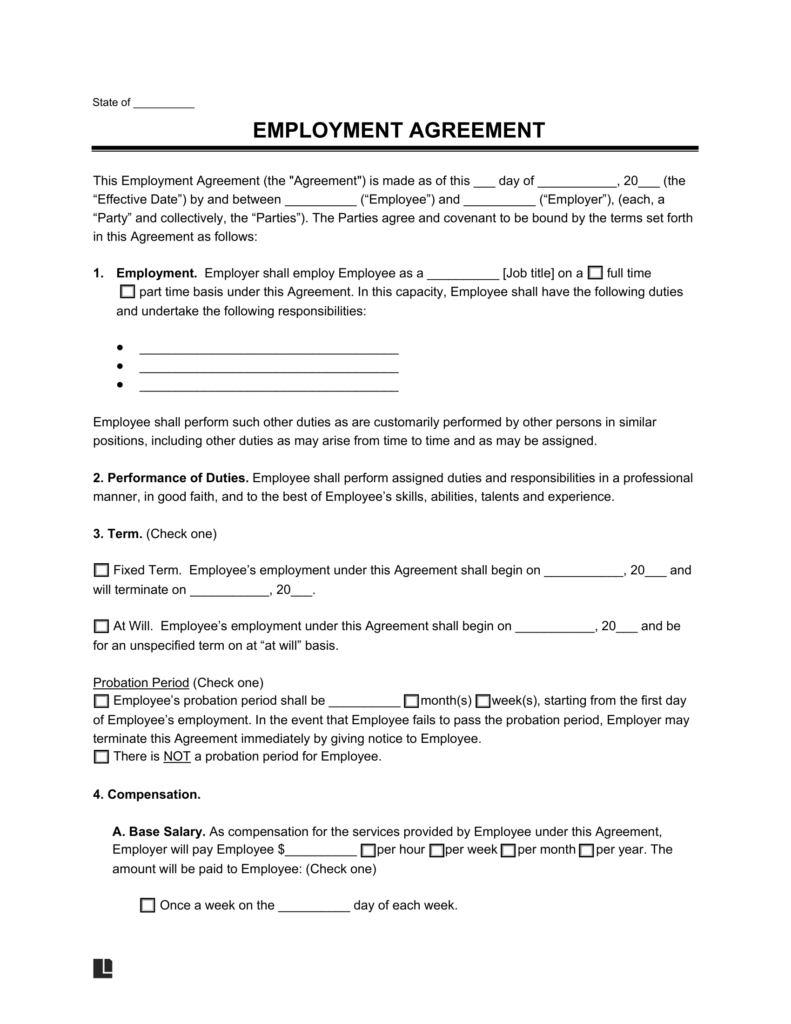
At-will employment in California means that an employer can terminate an employee at any time, with or without cause, as long as the reason is not illegal. Similarly, employees have the right to leave their job at any time, with or without notice.
This standard applies to most employment relationships in the state and forms the foundation of California labor law. However, there are important exceptions, such as terminations based on discrimination, retaliation, or breach of contract, which are prohibited. Understanding at-will employment helps both employers and employees recognize their rights and responsibilities in the workplace.
What Does At-Will Employment Mean in California?
In California, at-will employment means that an employer can terminate an employee at any time, for any legal reason—or no reason at all—without incurring liability, as long as the termination does not violate state or federal laws.
 Can an illegal immigrant get workers compensation
Similarly, employees also have the right to resign from their positions at any time, with or without notice, for any reason. This principle forms the foundation of most employment relationships in the state and is codified under California Labor Code Section 2922.
Despite the broad nature of at-will employment, there are important exceptions that protect employees from wrongful termination, such as discrimination, retaliation, or violations of public policy. Understanding these nuances is critical for both employers and employees to ensure compliance with California’s robust labor protections.
Legal Basis of At-Will Employment in California
The legal foundation of at-will employment in California is established by California Labor Code Section 2922, which explicitly states that employment without a definite term may be severed by either party at will.
This statute applies to the vast majority of employment relationships where there is no written contract specifying a duration of employment or defined conditions for termination. The at-will doctrine grants employers significant flexibility in managing their workforce, but it is not absolute.
 Can undocumented immigrants get workers compensation
Courts in California have recognized several public policy exceptions that limit an employer’s ability to fire an employee arbitrarily, particularly when such actions would contradict fundamental societal values, such as reporting illegal activity or taking medical leave. As a result, while the at-will presumption remains strong, it operates within a framework of legal constraints designed to prevent abuse.
Exceptions to At-Will Employment in California
Although California is an at-will employment state, there are critical exceptions that protect employees from unjust termination. These include terminations that are discriminatory based on race, gender, religion, disability, age, or other protected characteristics under the Fair Employment and Housing Act (FEHA).
Another major exception involves retaliation, where an employer fires an employee for engaging in legally protected activities, such as filing a workers’ compensation claim, reporting workplace safety violations, or whistleblowing. Additionally, dismissals that violate public policy—like firing someone for serving on a jury or refusing to commit an illegal act—are unlawful.
Some exceptions also arise from implied contracts, where employer handbooks or verbal promises may establish expectations of continued employment or specific disciplinary procedures, potentially overriding the at-will doctrine.
 Does workers comp cover illegal immigrants
Employee Rights and Protections Under California Law
Even in an at-will employment environment, California law provides extensive employee protections that safeguard workers from unjust treatment. Employees have the right to be free from harassment, to receive minimum wage and overtime pay, to take protected leave under the California Family Rights Act (CFRA), and to work in a safe environment per Cal/OSHA regulations.
Moreover, California promotes transparency by requiring employers to provide written notices detailing wage rates, pay periods, and other employment terms under Wage Theft Prevention Act guidelines.
Employees who believe they have been wrongfully terminated can file complaints with the Department of Fair Employment and Housing (DFEH) or the Division of Labor Standards Enforcement (DLSE), and may be entitled to remedies such as back pay, reinstatement, or damages. These layers of protection ensure that the at-will doctrine does not become a tool for unfair labor practices.
| Aspect | Description |
|---|---|
| Legal Foundation | Governed by California Labor Code Section 2922, allowing termination by either party without cause, unless a specific contract applies. |
| Major Exceptions | Includes protection against discrimination, retaliation, violation of public policy, and implied contracts. |
| Enforcement Agencies | Employees can seek redress through the DFEH for discrimination claims and the DLSE for wage and hour violations. |
Frequently Asked Questions
What does at-will employment mean in California?
In California, at-will employment means that an employer can terminate an employee at any time, for any reason, as long as it’s not illegal. Similarly, employees can resign at any time without consequence. This rule applies unless there is a contract stating otherwise. The at-will doctrine provides flexibility for both parties but does not allow terminations based on discrimination or retaliation.
 Do illegal immigrant workers pay taxes
Are there any exceptions to at-will employment in California?
Yes, California recognizes several exceptions to at-will employment. Employees cannot be fired for discriminatory reasons, in violation of public policy, or in retaliation for reporting illegal activities (whistleblowing). Additionally, if an employment contract or company policy promises job security, it may override at-will status. These exceptions help protect workers from wrongful termination despite the general at-will rule.
Can an employee sue for wrongful termination in an at-will state like California?
Yes, employees in California can sue for wrongful termination if the firing violated a law or public policy, despite at-will employment. Examples include termination due to race, gender, disability, filing a workers’ compensation claim, or reporting illegal conduct. The at-will doctrine doesn’t allow unlawful reasons for dismissal, so employees have legal recourse in such cases when the termination crosses legal boundaries.
Does an employee handbook change at-will employment status in California?
An employee handbook in California can potentially change at-will employment status if it includes language suggesting job security or specific termination procedures. Courts may interpret such policies as implied contracts. To avoid this, employers often include a clear at-will disclaimer in handbooks, stating that employment remains at-will regardless of handbook policies. This helps maintain the flexibility of the at-will relationship.
Leave a Reply