
Unpaid wages claim texas
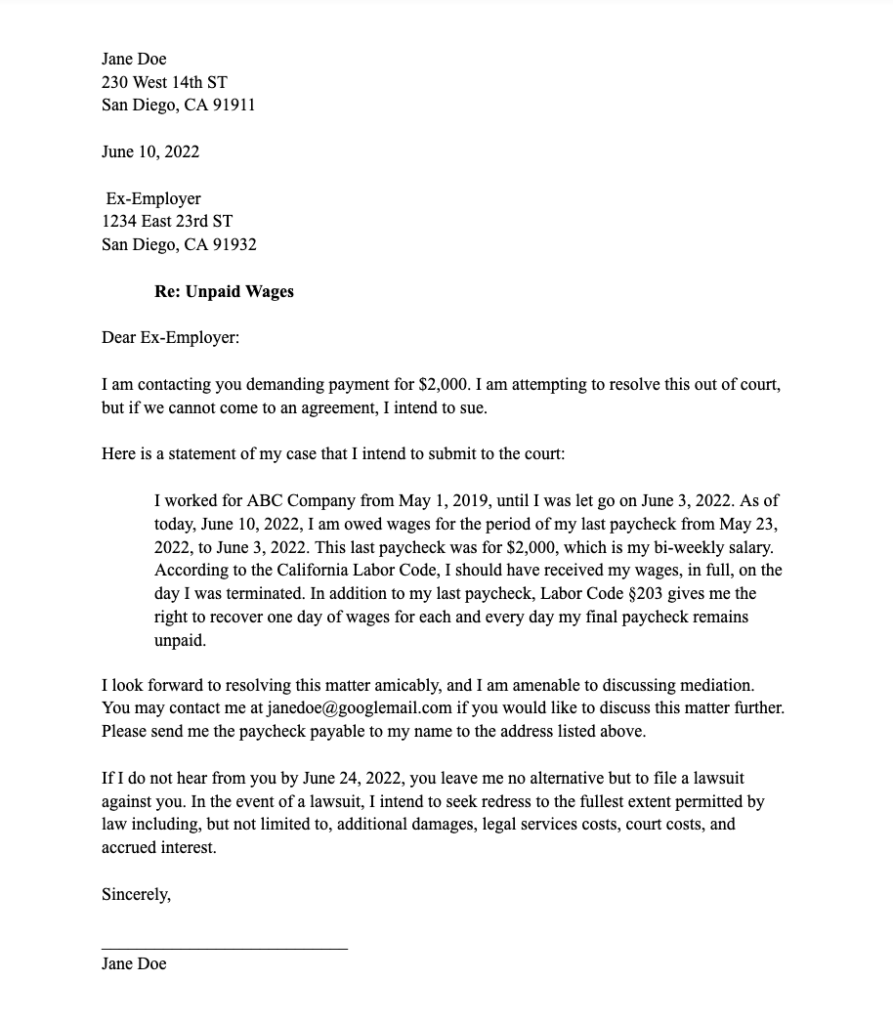
Thousands of workers across Texas face the distressing reality of unpaid wages each year, often left without the earnings they rightfully deserve.
From construction sites to restaurants and retail establishments, wage theft continues to affect employees at alarming rates. Despite clear federal and state labor laws designed to protect workers, violations such as missed paychecks, denied overtime, and unpaid minimum wages persist.
Filing an unpaid wages claim in Texas can be a crucial step toward recovering lost income, but many remain unaware of their rights or fear retaliation. This article explores the legal framework, common types of wage theft, and the process for pursuing an unpaid wages claim in Texas.
Filing an Unpaid Wages Claim in Texas: What Employees Need to Know
Workers in Texas who have not received their rightful wages may take legal action to recover what they are owed. Unlike some states, Texas does not have a state agency dedicated solely to enforcing wage claims, so employees must often pursue unpaid wages through the courts or with the help of the U.S. Department of Labor's Wage and Hour Division (WHD).
The Fair Labor Standards Act (FLSA) provides federal protections for employees, covering issues such as minimum wage, overtime pay, and timely payment of wages. To file a claim, employees must gather evidence such as pay stubs, employment contracts, work schedules, and any communication related to their wages.
Claims should generally be filed within two years of the violation, or three years if the violation is found to be willful. Understanding your rights and the procedures involved is critical to successfully recovering unpaid wages in Texas.
Understanding Wage Theft and What Constitutes Unpaid Wages
Wage theft occurs when an employer fails to pay employees the full compensation they have legally or contractually earned. In Texas, unpaid wages can include missing paychecks, unpaid overtime, withheld tips, unpaid breaks, or compensation denied after termination.
Other common forms include off-the-clock work, where employees perform job duties without being paid, and misclassification of employees as exempt from overtime when they should be eligible. The FLSA defines minimum wage and overtime standards, and any violation of these can form the basis of a claim.
Even if a written contract exists promising certain pay, failure to deliver constitutes a breach. Recognizing the various forms of wage theft is the first step toward taking legal action and recovering what you are owed.
Steps to File an Unpaid Wages Claim in Texas
Filing an unpaid wages claim in Texas typically involves initiating a complaint with the U.S. Department of Labor's Wage and Hour Division or pursuing a civil lawsuit in court.
Employees can contact the WHD to file a complaint, and the agency may investigate and help recover back wages. Alternatively, individuals may file a private lawsuit under the FLSA, which allows for recovery of unpaid wages, liquidated damages (equal to the back pay owed), attorney’s fees, and court costs.
It is important to act quickly, as the statute of limitations is usually two years for non-willful violations and three years for willful ones. Documenting work hours, pay records, and communications with the employer strengthens the case. Employees should also consider consulting an employment law attorney specializing in wage claims to navigate the legal process effectively.
Employer Retaliation and Employee Protections
Texas law and federal regulations protect employees from retaliation when they assert their right to be paid for work performed. Under the FLSA, it is illegal for employers to discharge, discipline, or otherwise discriminate against workers who file a wage claim or participate in an investigation.
Protection applies whether the employee files a complaint with the WHD or initiates a private lawsuit. Signs of retaliation include sudden demotion, reduced hours, negative performance reviews, or termination after raising a wage issue.
If retaliation occurs, employees may file an additional claim and be entitled to reinstatement, back pay, and other damages. Knowing these protections can empower workers to pursue unpaid wages without fear of losing their job or facing other adverse consequences.
| Issue | Definition | Legal Protection or Remedy |
|---|---|---|
| Unpaid Overtime | Failing to pay 1.5 times the regular rate for hours over 40 in a workweek | Recovery of back wages + liquidated damages under FLSA |
| Minimum Wage Violation | Paying less than $7.25/hour (federal minimum wage) | Back pay and potential civil penalties |
| Retaliation for Filing a Claim | Adverse action taken after an employee seeks unpaid wages | Reinstatement, back pay, and damages under FLSA |
| Off-the-Clock Work | Requiring work without recording or paying for it | Compensation for all hours worked; legal claim available |
| Final Paycheck Withholding | Not paying wages owed after resignation or termination | Texas allows immediate payout upon separation; legal action possible |
Understanding Your Rights in an Unpaid Wages Claim in Texas
Employees in Texas who have not received their rightful wages are protected under both federal and state laws. The Fair Labor Standards Act (FLSA) establishes the foundation for wage recovery, setting standards for minimum wage, overtime pay, and proper payment schedules. In Texas, while there is no specific state-run wage claim system like in some other states, workers can file a complaint with the U.S. Department of Labor’s Wage and Hour Division or pursue a civil lawsuit directly in court. It's crucial to document all work hours, pay stubs, and communication with employers to support a claim. Timely action is essential, as the statute of limitations for most unpaid wage claims is two years — or three years if the violation is deemed willful.
What Constitutes Unpaid Wages in Texas?
Unpaid wages in Texas can include a range of violations, such as failure to pay minimum wage, unpaid overtime, withheld final paychecks, or not compensating employees for all hours worked.
Other examples include off-the-clock work, where employees perform duties before or after shifts without pay, and illegal deductions from paychecks that bring earnings below minimum wage.
Both exempt and non-exempt employees are protected, and even salaried workers may have a claim if their compensation violates agreed-upon terms or falls below legal thresholds. Recognizing these forms of non-payment is the first step in pursuing a valid claim.
How to File an Unpaid Wages Claim in Texas
To file an unpaid wages claim in Texas, employees can submit a complaint to the U.S. Department of Labor’s Wage and Hour Division, which investigates violations of the FLSA. Alternatively, workers can file a civil lawsuit in state or federal court seeking recovery of back wages, liquidated damages, and attorney’s fees.
The process typically involves compiling evidence such as time records, pay stubs, employment contracts, and correspondence with the employer. While Texas does not have a dedicated state agency for wage claims, prompt legal action enhances the chances of successful recovery, especially given the strict statute of limitations.
Statute of Limitations for Wage Claims in Texas
The statute of limitations for most unpaid wage claims under the FLSA is two years for non-willful violations and extends to three years if the employer’s actions are considered willful.
This means employees must file their claim or lawsuit within this window from the date the wages were due or the violation occurred.
Delaying action can bar recovery entirely, so it is critical to act quickly once a wage violation is discovered. Timely filing strengthens the claim and preserves evidence that may deteriorate over time, including digital records or witness recollections.
Role of an Employment Lawyer in Wage Claims
An experienced employment lawyer can significantly increase the success of an unpaid wages claim in Texas by navigating complex legal procedures, gathering compelling evidence, and ensuring all deadlines are met.
These attorneys understand how to calculate back pay, overtime, and potential liquidated damages, and can represent employees in negotiations or in court.
Many work on a contingency basis, meaning they only get paid if the employee recovers wages. Legal representation also discourages employer retaliation and ensures compliance with procedural requirements for federal or state claims.
Retaliation Protection for Employees Filing Wage Claims
Texas and federal law protect employees from retaliation when filing an unpaid wages claim. Employers cannot legally fire, demote, reduce hours, or harass workers for asserting their right to fair pay under the FLSA.
The law prohibits such adverse actions as a response to a wage complaint, whether filed with the Department of Labor or through a private lawsuit. If retaliation occurs, the employee may pursue additional damages. These protections are crucial in empowering workers to seek justice without fear of losing their livelihood.
Frequently Asked Questions
What is an unpaid wages claim in Texas?
An unpaid wages claim in Texas allows employees to recover compensation they were not paid by their employer, such as regular wages, overtime, or final paychecks. Texas follows federal wage laws under the Fair Labor Standards Act (FLSA). Employees can file a claim with the Texas Workforce Commission or pursue a civil lawsuit to recover owed wages, damages, and sometimes attorney fees.
How long do I have to file an unpaid wages claim in Texas?
In Texas, you typically have two years to file an unpaid wages claim under state law, or three years if the violation is willful. Claims under the federal Fair Labor Standards Act (FLSA) also allow a two-year period, extending to three years for willful violations. It’s important to act quickly and document all unpaid wages to meet these deadlines and strengthen your case.
Can I file an unpaid wages claim without a written contract?
Yes, you can file an unpaid wages claim in Texas even without a written contract. Oral agreements and employer policies can serve as valid evidence of expected pay. Texas law protects employees regardless of contract format. Collect pay stubs, work schedules, emails, or witness statements to support your claim when reporting unpaid wages to the Texas Workforce Commission or in court.
What remedies are available in an unpaid wages claim in Texas?
In an unpaid wages claim in Texas, remedies may include recovering all unpaid wages, liquidated damages equal to the owed amount, and interest. Under federal law, successful claimants can also recover attorney’s fees and court costs. The Texas Workforce Commission can order payment, and employees may file a private lawsuit to enforce their rights and ensure full compensation for lost income.
Leave a Reply