
How to make a claim for unpaid wages
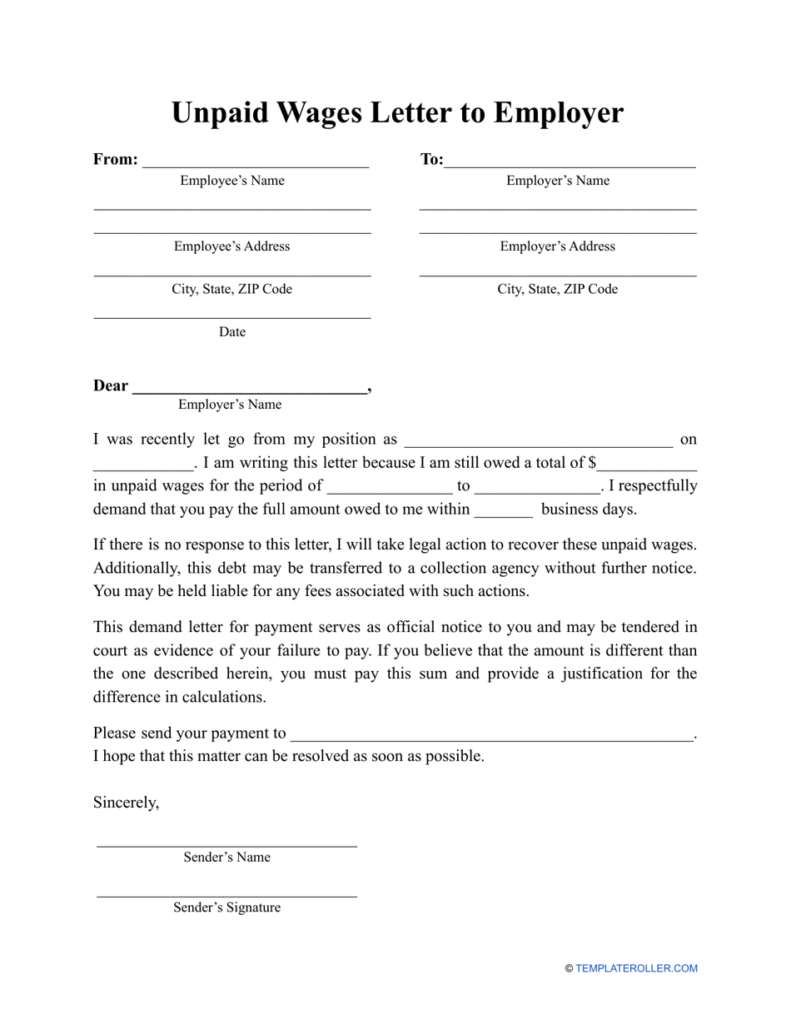
Unpaid wages are a serious issue affecting workers across various industries. When employers fail to pay the compensation owed, it not only violates labor laws but also impacts employees’ financial stability and well-being.
Knowing how to make a claim for unpaid wages is essential to protecting your rights. This process involves gathering evidence, understanding wage laws, and taking appropriate legal steps. Whether you’re missing minimum wage, overtime pay, or final paychecks, you have options.
Filing a claim with a labor board or pursuing legal action can recover what you’re owed. This article outlines the steps to effectively claim unpaid wages and ensure accountability.
How to Make a Claim for Unpaid Wages
If you've been denied the wages you've rightfully earned, taking action to recover unpaid wages is both necessary and legally supported in many jurisdictions. Employees across various industries, including hourly workers, salaried professionals, and temporary staff, may encounter situations where employers fail to pay full compensation, withhold final paychecks, or neglect to pay overtime as required by law.
In the United States, for example, the Fair Labor Standards Act (FLSA) protects workers by setting federal standards for minimum wage, overtime pay, and recordkeeping. To begin the process, it’s important to gather clear evidence of your work hours, pay agreements, and the amount owed.
From there, you can file a formal complaint with a government agency such as the Department of Labor’s Wage and Hour Division (WHD) or pursue a claim through your state labor board. Some cases may also allow for private legal action in civil court.
Making a claim involves several structured steps, each designed to document the violation, notify the employer, and recover compensation through official channels. Accuracy and timeliness are crucial—claims often have strict filing deadlines, and delays can compromise your ability to recover what you're owed.
Documenting Unpaid Wages
Clear and thorough documentation is the cornerstone of any successful unpaid wage claim. Start by collecting all relevant records, such as pay stubs, employment contracts, timecards, work schedules, bank deposit records, and any written communication with your employer regarding pay.
If you don’t have official time records, create a personal log of the hours you worked, including dates, start and end times, and any breaks taken. Emails or text messages requesting overtime, approving work hours, or acknowledging missed paychecks can serve as valuable supporting evidence.
Presenting a well-organized paper trail strengthens your case and makes it harder for employers to dispute your claim. It's also important to note any pattern of underpayment or policy violations, such as the employer’s consistent failure to pay minimum wage or refusal to compensate for all hours worked.
Filing a Complaint with a Government Agency
After gathering your evidence, the next step is to file a formal complaint with the appropriate labor enforcement agency. In the United States, employees can file a complaint with the Wage and Hour Division (WHD) of the Department of Labor, either online, by phone, or in person at a local office.
Alternatively, many states have their own labor departments—such as California’s Division of Labor Standards Enforcement (DLSE) or New York’s Department of Labor—that may offer faster resolution or broader protections than federal agencies. When submitting your claim, be prepared to provide detailed information, including your employer’s name, address, type of business, your job title, dates of employment, and a breakdown of the wages you believe are owed.
These agencies have the authority to investigate your claim, contact your employer, and, if violations are found, order the payment of back wages and liquidated damages. The process is typically free for employees and protects against retaliation by employers.
Legal Options and When to Consult an Attorney
While government agencies can assist with recovering unpaid wages, some employees may benefit from pursuing a private lawsuit, especially in cases involving large sums, widespread violations, or employer retaliation.
Under the FLSA, employees have the right to file a civil lawsuit to recover not only unpaid wages but also liquidated damages equal to the amount of back pay owed, effectively doubling the recovery.
Class-action lawsuits may also be possible if multiple employees have been underpaid under similar circumstances. Consulting an experienced employment attorney can help you understand your rights, determine whether to join or initiate a lawsuit, and navigate court procedures.
Many employment lawyers work on a contingency fee basis, meaning you pay nothing unless you win your case. Legal action often puts additional pressure on employers to settle promptly and can lead to broader systemic changes within the workplace.
| Step | Action Required | Key Considerations |
|---|---|---|
| 1 | Collect evidence of work performed and wages owed | Include pay stubs, time logs, contracts, and communications; ensure records are accurate and dated |
| 2 | File a complaint with a labor agency | Submit to WHD or state labor department; claims are typically free and protect against retaliation |
| 3 | Consider legal action if necessary | Consult an employment attorney; lawsuits may recover double damages under FLSA |
| 4 | Track deadlines and follow up | Most wage claims have a statute of limitations (2–3 years); respond promptly to agency requests |
Frequently Asked Questions
What steps should I take to file a claim for unpaid wages?
To file a claim for unpaid wages, first gather all relevant documentation, such as pay stubs, work schedules, and employment contracts. Contact your employer to attempt resolution. If unresolved, file a complaint with your state’s labor department or the U.S. Department of Labor’s Wage and Hour Division. Be accurate and timely, as strict deadlines apply. Keep copies of all correspondence for your records.
Can I file a wage claim if I’m an independent contractor?
Generally, independent contractors cannot file wage claims with labor departments, as these protections apply to employees. However, if you were misclassified as a contractor when you should be an employee, you may be eligible. Consult a labor attorney or your state’s workforce agency to review your work agreement and determine your proper classification before pursuing unpaid pay through legal channels.
How long do I have to file a claim for unpaid wages?
The deadline to file a wage claim typically ranges from one to three years, depending on state laws and the type of wage violation. The Fair Labor Standards Act allows a two-year window for most claims, or three years for willful violations. It’s crucial to act quickly and consult your local labor agency to ensure you meet all filing deadlines.
What happens after I submit a wage claim?
After submitting a wage claim, the labor agency will review your documentation and may contact your employer for a response. They might investigate, request additional evidence, or schedule a conference or hearing. If the claim is valid, the agency can order your employer to pay the owed wages. If unresolved, you may have the right to pursue a private lawsuit.
Leave a Reply