
How to claim unpaid wages
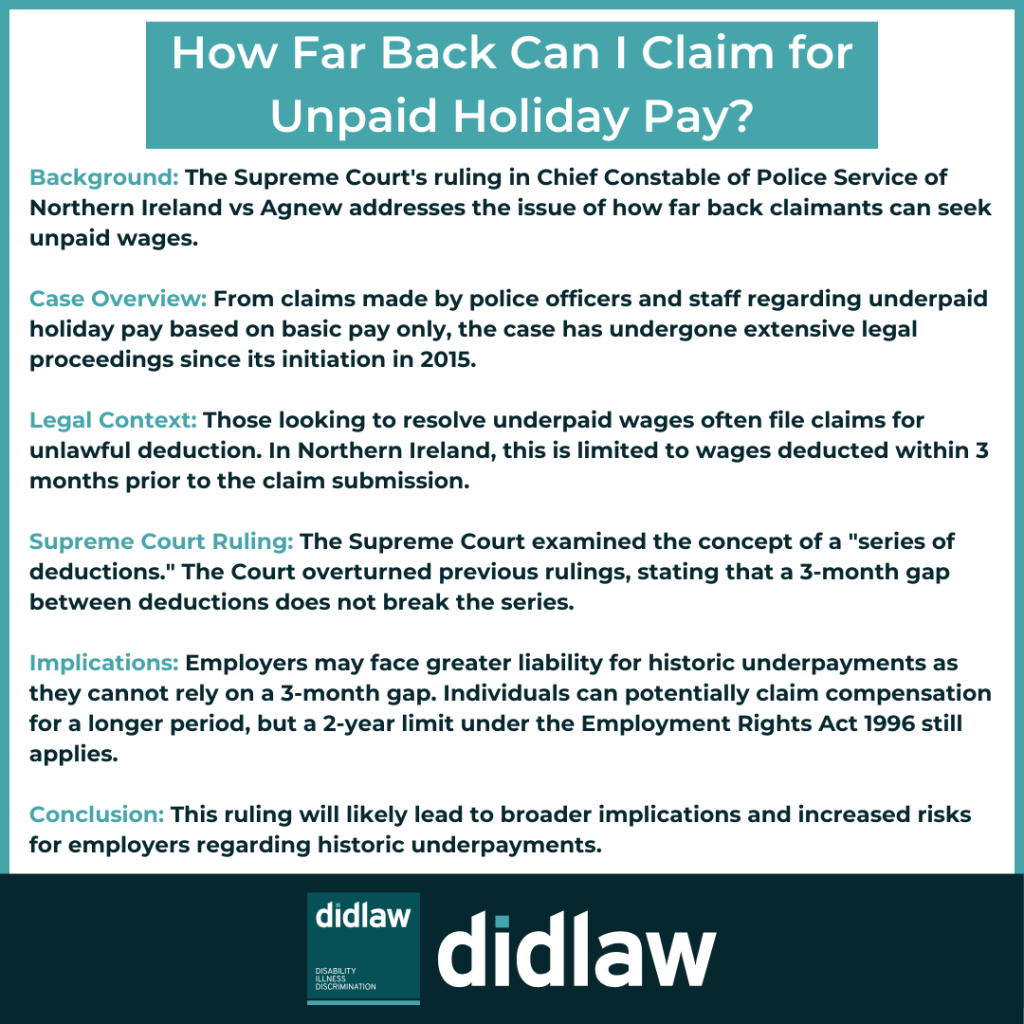
Unpaid wages are a serious violation of workers’ rights, yet far too many employees hesitate to take action. Whether you’re missing a paycheck, have been denied overtime, or haven’t received your final wages after leaving a job, you have legal recourse. Understanding how to claim unpaid wages is essential to protecting your income and holding employers accountable. This process typically involves documenting the violation, confronting the employer, and, if necessary, filing a claim with a labor enforcement agency. While it may seem intimidating, numerous resources and laws—like the Fair Labor Standards Act—exist to support workers. With the right steps, you can recover what you’re owed and ensure fair treatment in the workplace.
Steps to Claim Unpaid Wages: Your Rights and Legal Options
If you've performed work and haven't been paid the wages you're owed, you have legal rights to recover that income. Claiming unpaid wages involves understanding your employment status, documenting the work you've completed, and knowing the correct procedures to take action. In many countries, such as the United States, labor laws—like the Fair Labor Standards Act (FLSA)—protect employees from wage theft and provide mechanisms for filing complaints. The process typically begins with internal communication with your employer, but if that fails, filing a claim with a government agency such as the Department of Labor (DOL) or pursuing a legal case in court may be necessary. It's crucial to act promptly, as there are often strict deadlines, known as statutes of limitations, for filing wage claims. Additionally, retaliation by an employer for claiming unpaid wages is illegal, and protections exist to prevent such actions.
Documenting Unpaid Wages: What Evidence to Collect
To build a strong case for unpaid wages, gathering comprehensive documentation is essential. Start by collecting your employment contract, pay stubs, bank statements, work schedules, time records, emails, and any written communication with your employer regarding your work or pay. If you were paid in cash, witness statements from coworkers, notes from conversations, or photos of timesheets can also serve as valuable evidence. Even partial records can support your claim if they show a pattern of work performed without proper compensation. The more evidence you provide, the stronger your case will be when filed with a labor board or court. Always organize and date all documents to ensure clarity and credibility during the claims process.
Filing a Complaint with a Government Labor Agency
In most countries, government labor agencies are designed to help workers recover unpaid wages without going to court. In the United States, the Wage and Hour Division (WHD) of the Department of Labor handles FLSA violations and allows workers to file a complaint online, by phone, or in person. Similarly, state labor departments may have their own wage claim forms and processes. When filing, you'll need to provide personal information, your employer's details, the period you worked, hours performed, rate of pay, and the amount you believe you're owed. The agency will investigate your claim, contact your employer, and may facilitate repayment. The process is usually free and protects employees from retaliation. Filing with a government agency is often faster and less expensive than going to court.
When to Consider Legal Action for Unpaid Wages
If informal resolution and government intervention fail, pursuing a lawsuit may be necessary to recover unpaid wages. A civil lawsuit allows you to seek not only back pay but potentially liquidated damages, interest, and in some cases, attorney’s fees. This option is particularly effective if multiple employees are affected, as it opens the door to class-action lawsuits. To proceed, consult an employment lawyer who specializes in wage claims and can evaluate the strength of your case. Courts may require you to first exhaust administrative remedies (such as filing with a labor agency), depending on your jurisdiction. Legal action has stricter evidence requirements and timelines, so timely preparation is critical.
| Action Step | Description | Timeframe |
|---|---|---|
| Collect Documentation | Gather pay records, contracts, schedules, and communication about work or pay issues. This creates a clear record of unpaid hours or wages. | Immediately upon realizing wages are missing |
| Contact Employer | Politely request payment in writing. This shows good faith and may resolve the issue without further steps. | Within 1–2 weeks of missed payment |
| File with Labor Agency | Submit a formal wage claim to your state or federal labor department. They investigate and may recover wages on your behalf. | Typically within 2 years (or 3 years for willful violations) |
| Consult an Attorney | If other methods fail, seek legal advice. You may file a lawsuit to claim unpaid wages and additional damages. | Before the statute of limitations expires |
Frequently Asked Questions
How do I start the process of claiming unpaid wages?
To begin claiming unpaid wages, first gather all relevant employment documents such as pay stubs, contracts, work schedules, and any communication about pay. Then, contact your employer in writing to request the missing payment. If no resolution occurs, file a wage claim with your state’s labor department or the U.S. Department of Labor. Keep copies of all submitted documents and correspondence throughout the process.
What is the time limit for filing a claim for unpaid wages?
The time limit, or statute of limitations, for filing an unpaid wage claim typically ranges from two to three years, depending on your state and whether you're using federal or state laws. Under the Fair Labor Standards Act (FLSA), you generally have two years to file—three if the violation is willful. It’s important to act quickly and consult your state labor agency to confirm the exact deadline.
Can I file a wage claim if I’m an independent contractor?
Independent contractors are generally not covered by wage and hour laws that protect employees. However, if you were misclassified and should have been classified as an employee, you may be eligible to file a wage claim. You can review your work relationship or contact the Department of Labor to determine your status. If misclassified, you may pursue unpaid wages through a claim or legal action.
What happens after I file a wage claim for unpaid wages?
After filing a wage claim, the labor agency will review your case, notify your employer, and may request documentation from both parties. They might schedule a hearing or attempt mediation. If the investigation rules in your favor, the employer will be ordered to pay the owed wages. If necessary, you may also have the option to pursue the matter in court to collect the unpaid amount.
Leave a Reply