
Essential workers immigration reform

Essential workers have long been the backbone of the U.S. economy, especially highlighted during times of crisis when their labor ensures society continues to function.
From healthcare professionals and farmworkers to delivery drivers and grocery store employees, these individuals perform vital roles often under difficult and underappreciated conditions. Despite their importance, many essential workers are immigrants operating in the shadows of an outdated immigration system.
Immigration reform that recognizes and protects this workforce is not only a moral imperative but an economic necessity. Creating pathways to legal status and citizenship for essential workers would strengthen communities, promote fairness, and ensure long-term workforce stability across key industries.
 Canada immigration for tech workers
Addressing Essential Workers in U.S. Immigration Reform
The role of essential workers in U.S. immigration reform has become a central topic in national debates, especially following their critical contributions during public health and economic crises.
These workers—spanning industries such as healthcare, agriculture, food processing, transportation, and cleaning services—have demonstrated their indispensable value to the nation’s infrastructure and daily functioning. However, many perform these vital roles while living in legal limbo, often without secure immigration status or pathways to legal residency and citizenship.
Proposals for immigration reform increasingly emphasize creating mechanisms to recognize and protect essential immigrant laborers, including expedited legal status, work authorization, and potential pathways to permanent residency. Such reforms aim not only to honor their service but also to stabilize key labor sectors facing shortages and to uphold humane treatment under U.S. immigration policy.
The Definition and Scope of Essential Workers in Immigration Context
Essential workers in the context of immigration reform refer to foreign-born individuals who perform critical functions in sectors deemed vital to public health, safety, and economic continuity, especially during national emergencies.
 Canada immigration for unskilled workers
These include nurses, home health aides, agricultural laborers, grocery store employees, sanitation workers, and delivery drivers, many of whom are non-citizens working under temporary visas, undocumented, or holding deferred action status.
The scope of these roles was highlighted during the COVID-19 pandemic, when immigrant essential workers continued to work under high-risk conditions, often without adequate protections or long-term stability.
Recognizing this population in immigration legislation involves clearly defining who qualifies as an essential worker and establishing eligibility criteria based on employment history, sector, and economic contribution—ensuring fairness and preventing exploitation while formalizing their standing under the law.
Proposed Pathways to Legal Status and Citizenship
Several immigration reform proposals have introduced targeted pathways to legal status and eventual citizenship for essential workers, acknowledging their service as a basis for regularization.
 Canada immigration program for skilled workers
Notably, bills like the U.S. Citizenship Act of 2021 included provisions allowing undocumented essential workers to apply for lawful permanent residency if they had maintained employment in critical sectors during emergencies such as the pandemic.
These pathways typically require background checks, tax compliance, and continued employment verification. Supporters argue that providing legal status enhances worker protections, improves labor standards, and incentivizes participation in the formal economy.
Moreover, granting permanent residency reduces fear of deportation, empowers workers to advocate for fair wages and conditions, and strengthens national security through comprehensive registration. Without such pathways, essential immigrant workers remain vulnerable to abuse and exploitation, undermining both ethical labor practices and national resilience.
Impact of Immigration Reform on Labor Markets and the Economy
Comprehensive immigration reform that includes essential workers has the potential to significantly stabilize and strengthen U.S. labor markets and the broader economy.
 Canada health workers immigration
By legalizing and integrating immigrant essential workers, reform can reduce labor shortages in high-demand industries, improve job mobility, and increase tax revenues.
For instance, legal status enables workers to pursue higher wages, access training, and transition between jobs without fear of losing immigration standing—leading to greater productivity and innovation. Furthermore, legalized workers contribute more fully to Social Security and Medicare, even as they remain ineligible for most federal benefits during initial adjustment periods.
The agricultural and healthcare sectors, in particular, depend heavily on immigrant labor, and failure to implement reform risks long-term economic disruption. A structured approach ensures that the economic contributions of essential immigrant workers are matched with legal recognition and stability.
| Reform Proposal | Target Group | Key Benefits | Status Requirements |
|---|---|---|---|
| U.S. Citizenship Act (2021) | Undocumented essential workers | 8-year path to citizenship, work authorization | Employment during pandemic, background check |
| AgJOBS Act | Agricultural workers | Legal residency, portability of visas | 3+ years farm work, continuous employment |
| Essential Worker Immigration Reform (proposed) | Healthcare, service, and sanitation workers | Immediate work permits, eligibility for green cards | Employer verification, sector-specific criteria |
Essential Workers Immigration Reform: A Comprehensive Guide to Policy Changes and Pathways
Which workers are considered essential under current immigration reform proposals?
Healthcare Professionals in Immigration Reform
Under current immigration reform proposals, healthcare professionals are consistently recognized as essential workers due to their critical role in maintaining public health and responding to medical emergencies. The demand for qualified individuals in this sector has intensified, especially following global health crises.
 Hiring immigrant workers
Immigration pathways are being reconsidered to facilitate faster processing and visa accommodations for foreign-trained doctors, nurses, and other medical staff. Proposals often include expanding visa quotas and reducing bureaucratic barriers to ensure that healthcare institutions can fill critical staffing gaps.
- Doctors and physicians, especially those specializing in primary care and underserved specialties, are prioritized in proposed employment-based immigration reforms.
- Nurses, including registered nurses (RNs) and advanced practice nurses, are frequently highlighted for their vital role in patient care and hospital operations.
- Public health workers and medical researchers involved in disease prevention and health policy are also categorized as essential under several reform frameworks.
Agricultural and Food Supply Workers
Agricultural laborers and food supply chain workers are increasingly acknowledged as essential under various immigration reform initiatives. These individuals play a foundational role in ensuring national food security by planting, harvesting, and processing crops, as well as managing livestock.
Many reform proposals aim to provide legal protections, better working conditions, and streamlined visa programs such as the H-2A visa expansion to address chronic labor shortages in rural and farming sectors.
- Seasonal farmworkers who migrate to support crop harvesting cycles are central to proposed agricultural visa reforms and potential pathways to legal status.
- Workers in food processing plants, including meatpacking and dairy facilities, are also recognized for their contributions to maintaining uninterrupted food distribution.
- Transportation and logistics workers involved in moving food from farms to markets are occasionally included in discussions about the broader food supply chain's essential nature.
STEM and Technology Sector Employees
Professionals in science, technology, engineering, and mathematics (STEM) fields are frequently designated as essential in immigration reform debates due to their impact on innovation, economic competitiveness, and national security.
Current legislative proposals often focus on retaining international graduates from U.S. universities and attracting top global talent by modernizing visa categories like the H-1B and creating new pathways for permanent residency based on skill sets rather than country of origin.
- Software developers and engineers working in high-demand technology areas such as artificial intelligence and cybersecurity are seen as vital to economic growth.
- Researchers and scientists in both private industry and academic institutions contribute to advancements that drive long-term national priorities.
- Data analysts and IT infrastructure specialists are essential for maintaining secure and efficient digital systems across critical sectors like finance, healthcare, and government.
What is the Essential Workers Citizenship Act of 2025 and how does it impact immigration reform?
What Is the Essential Workers Citizenship Act of 2025?
- The Essential Workers Citizenship Act of 2025 is a proposed U.S. legislative initiative designed to provide a pathway to lawful permanent residency and eventual citizenship for millions of immigrants who have worked in essential industries, particularly during national emergencies such as the COVID-19 pandemic.
- The bill targets individuals employed in sectors deemed critical to public health, safety, and economic stability, including healthcare, food production and distribution, public transit, agriculture, childcare, and emergency services.
- To qualify, applicants generally must demonstrate a minimum period of employment in essential roles—often defined as at least three years during a specified timeframe—and meet additional requirements such as background checks, tax compliance, and knowledge of English and U.S. civics.
Key Provisions and Eligibility Criteria
- The Act establishes a three-tiered process: first granting temporary legal status, then conditional permanent residency after meeting work and integration benchmarks, and finally full citizenship after a total period of lawful status, typically ranging from five to eight years.
- Eligibility is restricted to individuals who were physically present in the United States and employed in qualifying sectors during defined emergency periods, often between March 2020 and December 2023, with documentation to support their employment history.
- The legislation includes provisions to protect workers from employer retaliation, allows for portability of employment within essential sectors, and provides access to Social Security and Medicare benefits upon obtaining lawful status.
Impact on U.S. Immigration Reform and Policy Landscape
- The Essential Workers Citizenship Act represents a paradigm shift in U.S. immigration policy by recognizing economic contributions and societal value as grounds for regularization, rather than focusing solely on border enforcement or family and employment-based quotas.
- Its passage would significantly reduce the undocumented population in key industries, addressing long-standing labor shortages while encouraging greater workplace compliance and labor rights protections.
- By prioritizing integration and inclusion, the Act could set a precedent for future reform efforts, emphasizing earned citizenship, civic participation, and the formal acknowledgment of immigrant labor in sustaining national infrastructure and public services.
Why Do Republicans Oppose Immigration Reform for Essential Workers?
Economic Concerns and Labor Market Competition
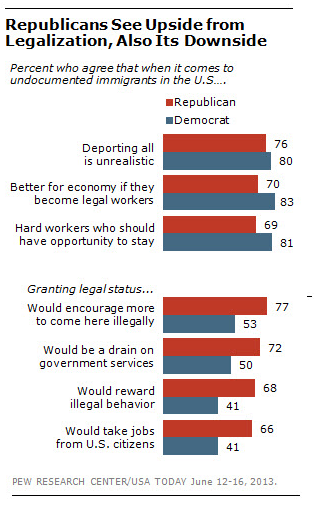
- Many Republicans express concern that expanding immigration pathways for essential workers could lead to increased competition in low-wage job markets, potentially driving down wages for American-born workers, particularly those without advanced education or specialized skills.
- There is a perception among some conservative lawmakers that large-scale immigration reform, especially for essential workers in sectors like agriculture, hospitality, and construction, could reduce incentives for employers to raise wages or improve working conditions.
- Opponents argue that without strict labor market assessments, adding more immigrant workers might displace U.S. citizens during economic downturns or in regions with high unemployment, thereby undermining domestic workforce protections.
Border Security and Rule of Law Priorities
- A central tenet of Republican opposition to immigration reform is the emphasis on securing the southern border before creating new legal pathways, with many asserting that reforms without enforcement measures reward unauthorized immigration.
- Republicans often highlight the rule of law as a foundational principle, arguing that offering legal status to essential workers currently in the U.S. without documentation could be seen as amnesty, which they believe undermines immigration enforcement credibility.
- There is skepticism about the ability of the federal government to effectively manage a new visa or legalization program without first addressing what is perceived as systemic failures in tracking overstays, deporting criminal immigrants, and preventing fraud in immigration benefits.
Partisan and Political Dynamics
- Immigration has become a highly polarized issue in American politics, and supporting reform—even for essential workers—can be politically risky for Republicans, especially in primary elections where anti-immigration sentiment is strong among the party base.
- Some Republican lawmakers oppose reform due to fears that legalizing essential workers could eventually lead to broader citizenship pathways, shifting long-term demographic and voting patterns in favor of Democratic constituencies.
- Institutional resistance within the party has been reinforced by influential media outlets and interest groups that portray comprehensive or sector-specific immigration reform as a threat to national identity or sovereignty, further entrenching opposition.
What percentage of essential workers are undocumented immigrants in the context of immigration reform?
Estimates of Undocumented Immigrants Among Essential Workers
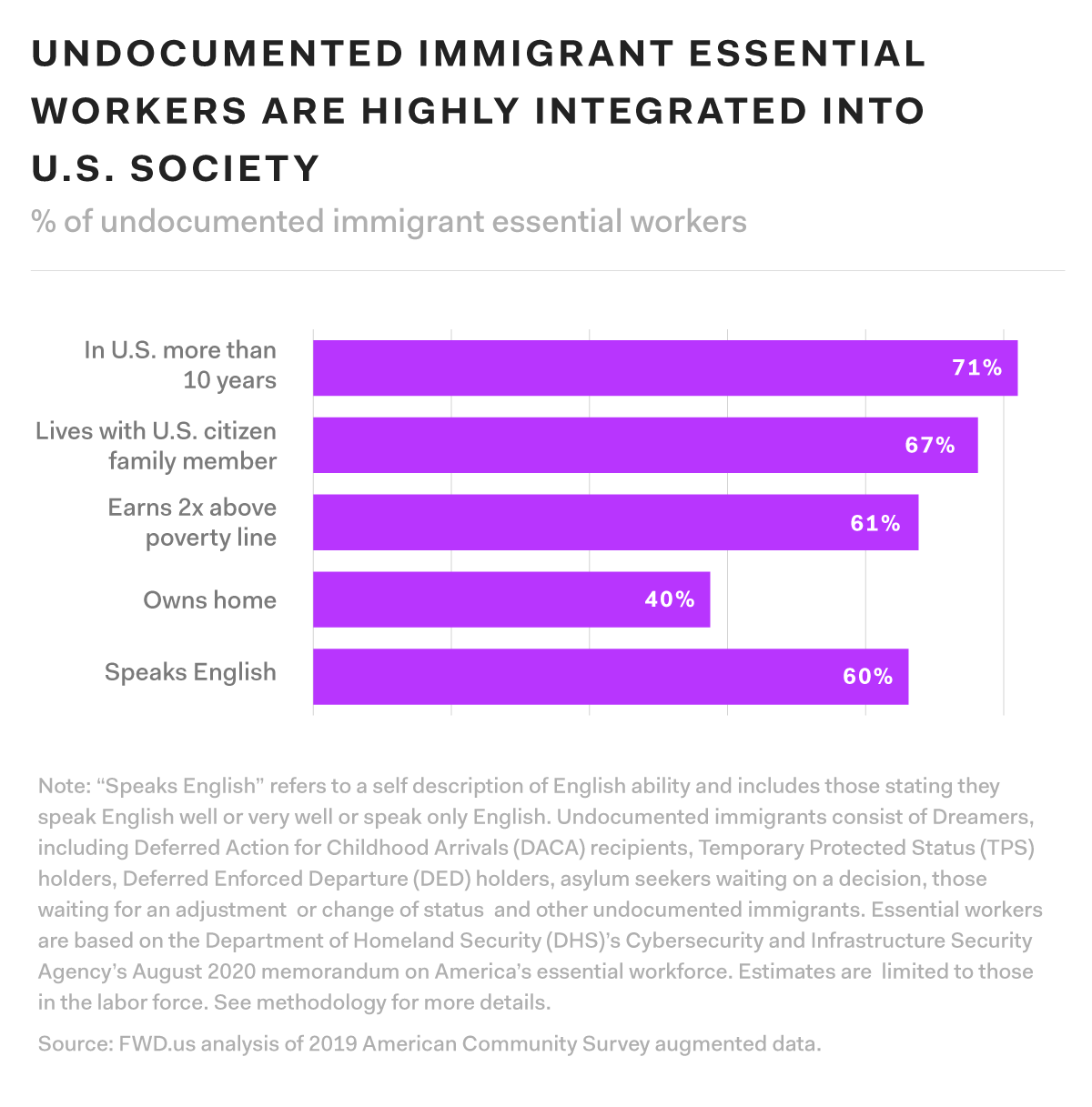
- Reliable data on the exact percentage of undocumented immigrants among essential workers in the United States is limited, but studies and analyses offer approximate figures. The Center for Migration Studies estimates that around 5% to 7% of the U.S. essential workforce consists of undocumented immigrants. These individuals are heavily concentrated in sectors such as agriculture, food service, construction, and certain healthcare support roles.
- A 2020 report by the Center on Budget and Policy Priorities highlighted that undocumented workers make up a disproportionately high share of essential jobs relative to their share of the overall population. For example, in agriculture, nearly 40% of workers are undocumented, while around 20% of those in construction and 15% in accommodation and food services fall into this category.
- These percentages underscore the critical role undocumented immigrants play in sustaining key industries, especially during public health emergencies like the COVID-19 pandemic. However, because many work without legal authorization, they often lack access to benefits, protections, and stable employment conditions despite their essential contributions.
Challenges in Measuring Undocumented Workforce Participation
- One of the main challenges in determining the precise percentage of undocumented immigrants in essential jobs is the lack of comprehensive and publicly available data. Census surveys and federal labor statistics typically do not ask about immigration status, and when they do, responses may be underreported due to fear of deportation or privacy concerns.
- Researchers often use indirect methods, such as demographic modeling and data from the American Community Survey combined with estimates of unauthorized immigration from sources like the Pew Research Center, to approximate participation rates. These models rely on birthplace, citizenship status, and visa type to infer legal status, which introduces potential margins of error.
- Additionally, the informal nature of employment in certain sectors—such as day labor or cash-based service jobs—means that many undocumented workers are not captured in official labor statistics at all. This complicates policymaking and public understanding of how deeply immigrant labor is embedded in the essential workforce.
Impact of Immigration Reform on Essential Sectors
- Proposed immigration reforms, such as pathways to legal status or citizenship for undocumented immigrants, could significantly affect essential industries by formalizing the status of millions of workers. According to the Cato Institute, regularizing the status of undocumented essential workers could increase tax revenues, improve job mobility, and enhance workplace safety.
- Conversely, increased enforcement or restrictive policies may lead to labor shortages in industries that rely heavily on undocumented labor. For instance, the agricultural sector has reported difficulties finding domestic workers willing to take on physically demanding jobs at current wage levels, making immigrant labor indispensable.
- Immigration reform that includes provisions for work visas aligned with labor market needs—such as expanded H-2A visas for agriculture or new categories for essential service workers—could help stabilize the workforce while addressing undocumented employment. Policymakers face the challenge of balancing enforcement with economic realities that depend on immigrant labor.
Frequently Asked Questions
What is essential workers immigration reform?
Essential workers immigration reform refers to proposed changes in U.S. immigration policies that aim to provide legal status or pathways to citizenship for immigrants who work in critical sectors like healthcare, agriculture, food service, and transportation. These reforms recognize the vital contributions of immigrant workers during emergencies and everyday operations, aiming to protect their rights, improve working conditions, and strengthen the workforce.
Who qualifies as an essential worker under immigration reform proposals?
Under most immigration reform proposals, essential workers include immigrants employed in healthcare, emergency services, food production, grocery stores, public transit, and childcare.
Qualification typically requires proof of employment in these sectors for a specific period, often during national crises like the COVID-19 pandemic. Requirements may vary by proposal, but the focus remains on those in jobs crucial to public health, safety, and economic stability.
Can essential workers apply for green cards or citizenship through immigration reform?
Some immigration reform proposals allow essential workers to apply for green cards or a path to citizenship if they meet certain criteria, such as continuous work in essential fields and clean criminal records.
While no permanent law has been passed yet, various bills introduced in Congress offer these opportunities as a way to honor their service and address labor shortages. Approval depends on legislative action and specific program guidelines.
Has any essential workers immigration reform become law in the U.S.?
As of now, no comprehensive essential workers immigration reform has become permanent U.S. law. Several proposals have been introduced in Congress, including provisions for green cards or legal status, especially following the pandemic, but none have passed.
Temporary protections or work permits may have been issued under specific circumstances, but lasting legislative change is still pending, leaving many essential immigrant workers without permanent solutions.
Leave a Reply