
What percentage of agriculture workers are undocumented
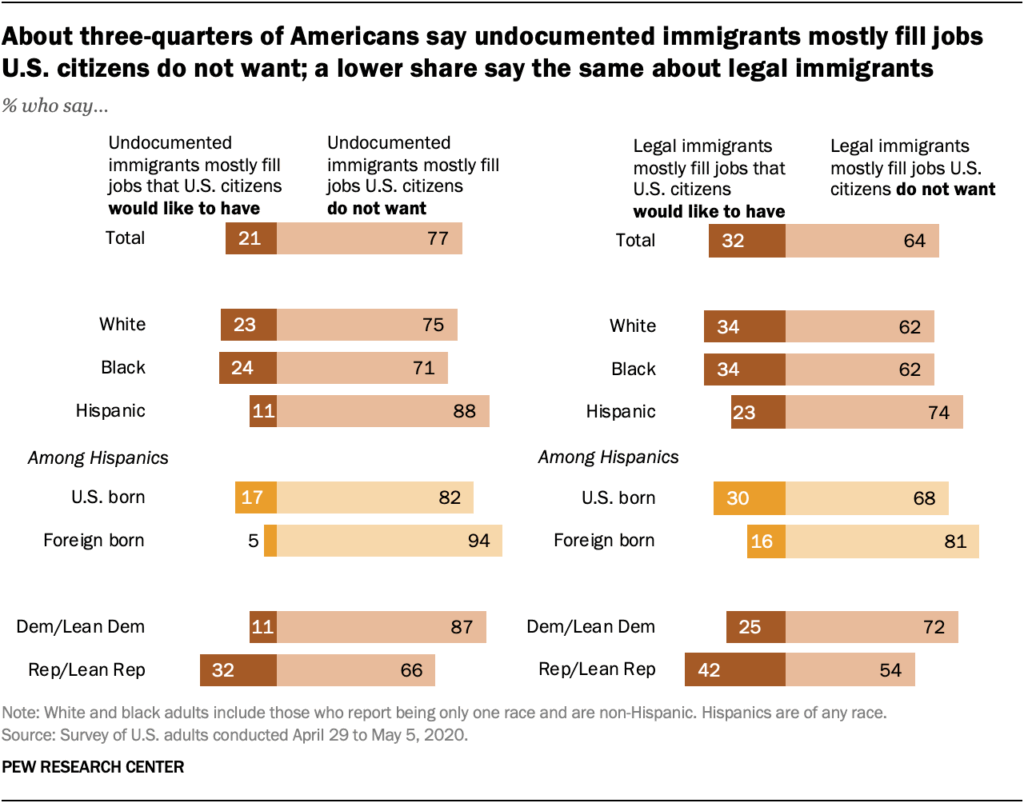
Approximately 50% of agriculture workers in the United States are undocumented, according to estimates from the U.S. Department of Agriculture and the Pew Research Center.
This significant portion highlights the heavy reliance of the agricultural sector on immigrant labor, particularly in industries such as fruit, vegetable, and dairy production. Many of these workers perform demanding physical labor under challenging conditions, often without legal protections or access to benefits.
The undocumented status of so many farmworkers raises complex questions about immigration policy, labor rights, and food system sustainability. Understanding the scale and impact of undocumented labor in agriculture is essential for informed public debate and effective policy solutions.
 Can undocumented workers get unemployment
What Percentage of Agriculture Workers Are Undocumented in the United States?
Agriculture in the United States relies heavily on immigrant labor, a significant portion of which is undocumented. According to data from the U.S. Department of Agriculture (USDA) and the U.S. Bureau of Labor Statistics, approximately 50% to 70% of farmworkers in the U.S. are undocumented immigrants.
This estimate varies by region and crop type, but overall, the agricultural sector depends on a workforce that often lacks legal authorization to work. Studies from the Pew Research Center and the Center for Migration Studies indicate that the majority of these workers come from Mexico and Central America, often employed in labor-intensive sectors such as fruit, vegetable, and dairy farming.
Despite their critical role in maintaining the nation’s food supply, undocumented farmworkers typically face challenging working conditions, low wages, and limited access to healthcare or legal protections. The lack of a comprehensive immigration policy further complicates workforce stability in agriculture, making the issue both economically and socially significant.
Regional Variations in Undocumented Farmworker Employment
The percentage of undocumented workers in agriculture varies significantly across U.S. regions due to differences in crop types, labor demand, and proximity to the U.S.-Mexico border.
 Can undocumented workers get welfare
In states like California, which produces over a third of the nation’s vegetables and two-thirds of its fruits and nuts, undocumented workers are estimated to make up 70-80% of the agricultural workforce.
In contrast, states farther from the southern border, such as New York or Wisconsin, report lower but still substantial numbers—ranging from 30% to 50%. These regional disparities reflect migration patterns, enforcement practices, and the reliance on seasonal labor for perishable crops.
For example, California’s vast Central Valley depends on year-round labor for crops like strawberries, grapes, and almonds, increasing demand for a consistent and flexible workforce, often met by undocumented laborers who are less likely to report abuses due to immigration status fears.
Challenges in Accurately Measuring Undocumented Agricultural Labor
Determining the precise percentage of undocumented farmworkers is inherently difficult due to the nature of undocumented status and data collection limitations.
 Coca cola undocumented workers
Federal surveys such as the National Agricultural Workers Survey (NAWS), conducted by the U.S. Department of Labor, provide among the most reliable insights but still face challenges like underreporting and sampling bias.
Many undocumented workers are hesitant to participate in surveys due to fears of deportation or employer retaliation, leading to potential underrepresentation. Additionally, agricultural employers may misclassify workers or use intermediaries (labor contractors), obscuring the true immigration status of employees.
While estimates from NAWS and research institutions converge around the 50-70% range, the lack of real-time, comprehensive data means these figures are extrapolations subject to change based on immigration enforcement policies, economic conditions, and seasonal labor flows.
Economic and Policy Implications of Undocumented Labor in Agriculture
The reliance on undocumented labor in U.S. agriculture has far-reaching economic and policy consequences.
On one hand, farmers argue that without access to affordable, flexible labor, many operations would become economically unviable, especially for hand-harvested crops that cannot be easily mechanized.
The H-2A visa program, designed to bring temporary agricultural workers legally, has grown significantly but is burdened by bureaucracy, high costs, and delays, pushing some employers toward undocumented labor.
On the other hand, policymakers and advocacy groups emphasize the need for immigration reform that provides a legal pathway for farmworkers, improves labor standards, and ensures food system resilience. Without reform, the agricultural sector remains vulnerable to labor shortages, while undocumented workers continue to operate in exploitative conditions with minimal legal recourse.
| Source | Estimated Percentage of Undocumented Farmworkers | Key Findings |
|---|---|---|
| Pew Research Center (2021) | ~50% | Undocumented immigrants make up half of all U.S. crop farmworkers; majority from Mexico. |
| National Agricultural Workers Survey (NAWS) | 52% (2019–2021 average) | Over half of farmworkers lack legal authorization; increases in H-2A use do not fully offset undocumented labor. |
| Center for Migration Studies (2020) | Up to 70% | Higher estimates in western states; undocumented labor crucial for labor-intensive crops. |
Understanding the Role of Undocumented Workers in U.S. Agriculture
The agricultural sector in the United States relies heavily on undocumented workers, who make up a significant portion of the labor force responsible for planting, harvesting, and processing crops.
Estimates suggest that between 50% and 70% of all farmworkers in the U.S. are undocumented immigrants, primarily originating from Mexico and Central America.
These workers often fill essential roles that many domestic workers are unwilling to take due to the physically demanding nature of the job, long hours, and relatively low wages. Despite their crucial contributions, undocumented farmworkers face numerous challenges, including limited labor protections, lack of access to healthcare, and fear of deportation.
The reliance on this vulnerable workforce underscores broader systemic issues within the agricultural labor market, immigration policy, and food production systems in America.
Estimated Percentage of Undocumented Farmworkers in the U.S.
Studies and government surveys indicate that approximately 50% to 70% of agriculture workers in the United States are undocumented. Data from the U.S. Department of Agriculture (USDA) and the National Agricultural Workers Survey (NAWS) consistently show that the majority of hired crop workers lack legal authorization to work.
This high percentage reflects the agricultural industry’s dependence on immigrant labor, particularly in labor-intensive sectors such as fruit, vegetable, and dairy production. Variations in estimates often depend on the region, crop type, and methodology used in data collection, but the overarching trend confirms that undocumented labor is deeply embedded in the nation’s food supply chain.
Factors Contributing to High Undocumented Labor in Agriculture
Several factors contribute to the high reliance on undocumented workers in agriculture, including seasonal labor demands, low wages, and challenging working conditions that deter many U.S.-born workers.
Farming operations often require intensive labor during short harvest windows, making flexibility and availability key traits in workers. Undocumented immigrants frequently accept these jobs due to limited employment options in their home countries and a willingness to work in difficult conditions for lower pay.
Additionally, the historical pattern of informal hiring practices and lax enforcement of immigration laws in rural areas has created an environment where unauthorized employment has become normalized within the agricultural sector.
Regional Differences in Undocumented Agricultural Employment
The percentage of undocumented farmworkers varies significantly across different regions of the United States, with higher concentrations in states like California, Texas, Florida, and Washington.
California, the largest agricultural producer in the nation, is estimated to have over 70% of its farm laborers undocumented, particularly in high-value crop areas such as almonds, grapes, and strawberries. In contrast, states with more mechanized farming or different crop profiles may have lower percentages.
These regional disparities are influenced by proximity to the U.S.-Mexico border, local immigration enforcement practices, and the types of crops grown, all of which affect the demand for and availability of undocumented labor.
Impact of Undocumented Workers on the Agricultural Economy
Undocumented workers play a crucial role in sustaining the U.S. agricultural economy, contributing billions of dollars annually through their labor.
Their presence allows farmers to maintain competitive pricing and meet the labor demands required by labor-intensive crops. Without this workforce, many agricultural operations would face significant cost increases, reduced output, or potential collapse, especially in sectors reliant on hand harvesting.
Economists and industry leaders warn that stricter immigration enforcement or the sudden removal of undocumented laborers could disrupt food production and lead to higher food prices for consumers, highlighting the economic dependency on this vulnerable population.
Legal and Policy Challenges Facing Undocumented Farmworkers
Undocumented agriculture workers operate in a legal gray area, often excluded from standard labor protections despite their essential role in food production.
While some are covered under federal labor laws such as the Migrant and Seasonal Agricultural Worker Protection Act (MSPA), enforcement remains weak, and many undocumented workers fear reporting abuses due to deportation risks.
Immigration policies such as the H-2A visa program offer a legal pathway for agricultural labor, but the process is burdensome for employers and does not meet overall labor demand.
As a result, the agricultural sector continues to grapple with ethical, legal, and policy challenges surrounding the use of unauthorized labor and the need for comprehensive immigration reform.
Frequently Asked Questions
What percentage of agriculture workers are undocumented in the United States?
Approximately 50% to 70% of agricultural workers in the U.S. are estimated to be undocumented, according to studies by the U.S. Department of Agriculture and the Pew Research Center. These workers are essential to the farm labor force, especially in fruit, vegetable, and dairy production. The exact percentage varies by region and crop type, but undocumented workers consistently make up a significant portion of the agricultural workforce nationwide.
Why is the percentage of undocumented workers so high in agriculture?
The high percentage of undocumented workers in agriculture stems from labor shortages, seasonal demand, and low wages that deter many U.S.-born workers. Farm jobs often require long hours, physical labor, and work in remote areas with limited access to housing and services. Employers rely on immigrant labor, including undocumented workers, to meet production needs. Additionally, the H-2A visa program does not fully cover labor demand, increasing reliance on undocumented workers.
How do undocumented workers impact the U.S. agricultural industry?
Undocumented workers play a critical role in sustaining the U.S. agricultural industry by filling essential labor gaps, particularly in labor-intensive crops. Their contributions help maintain affordable food prices and support the economic viability of farms. Without them, many farms would face severe labor shortages, potentially leading to reduced crop yields or increased costs. Their work supports both local economies and the national food supply chain.
Are there legal pathways for undocumented workers in agriculture?
Yes, the H-2A visa program allows U.S. agricultural employers to hire foreign workers temporarily. However, the process is complex, costly, and time-consuming, limiting its use. Some undocumented workers may seek legalization through asylum, family sponsorship, or proposed immigration reforms. Despite available pathways, many remain undocumented due to quotas, backlogs, and eligibility restrictions. Comprehensive immigration reform is often suggested to address these challenges and provide more accessible legal options.
Leave a Reply