
Are migrant workers illegal immigrants
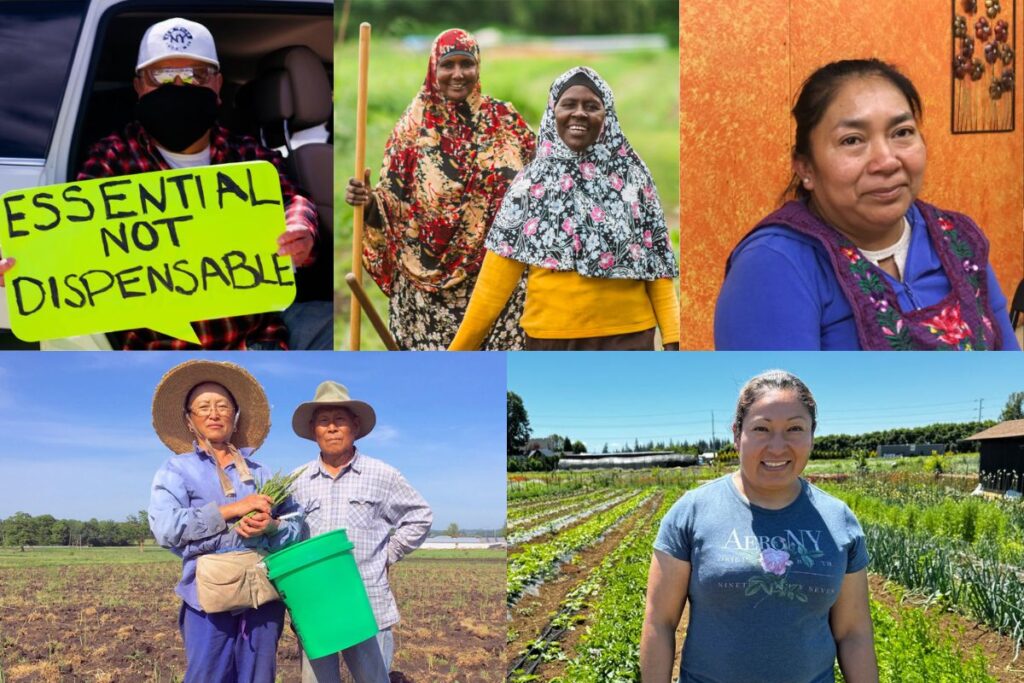
Migrant workers are individuals who move from one region or country to another seeking employment, often in sectors like agriculture, construction, or domestic services.
While some migrate legally through regulated channels, others may enter or work without proper documentation, leading to confusion between terms like migrant worker and illegal immigrant. Legal status depends on compliance with immigration laws, not migration itself.
Many migrant workers contribute significantly to host economies, yet face challenges related to rights, protection, and public perception. Understanding the distinction between undocumented status and lawful migration is essential to addressing policy, labor, and humanitarian issues accurately and fairly.
 How many farm workers are illegal immigrants
Are Migrant Workers Illegal Immigrants?
No, migrant workers are not inherently illegal immigrants. The term migrant worker refers broadly to individuals who move—within their own country or across international borders—to find employment, often in sectors such as agriculture, construction, domestic work, or healthcare.
Many migrant workers hold legal status and work permits authorized by immigration systems. In contrast, the term illegal immigrant or undocumented immigrant specifically refers to individuals residing or working in a country without proper authorization.
While some migrant workers may end up in irregular or undocumented situations due to expired visas, exploitative working conditions, or barriers to legal migration, the majority move through formal, legal channels. Equating all migrant workers with illegal immigration is a misconception that overlooks the complex legal, economic, and social frameworks governing international labor movement.
Defining Migrant Workers vs. Undocumented Immigrants
Migrant workers are individuals who move voluntarily or out of economic necessity to work outside their home communities—either domestically or internationally—and their migration may be temporary, seasonal, or long-term.
 Canada immigration requirements for skilled workers
They can be lawfully employed under specific visa categories such as H-2A for agricultural work or H-2B for seasonal non-agricultural jobs in the United States, or similar programs in other countries. In contrast, undocumented immigrants are those who enter a country without authorization or stay beyond the permitted duration of their visa, thereby losing legal status.
The key distinction lies in immigration status and compliance with national laws, and many migrant workers participate in legal guest worker programs regulated by bilateral agreements and immigration authorities. Conflating these two groups obscures policy discussions and can fuel unjust stereotypes and discrimination.
Livelihoods and Labor Contributions of Legal Migrant Workers
Legal migrant workers play a critical role in sustaining key sectors of host economies, especially in industries facing labor shortages. Countries around the world rely on temporary foreign worker programs to fill essential roles in agriculture, construction, caregiving, and hospitality.
For example, Canada’s Seasonal Agricultural Worker Program (SAWP) and the U.S. H-2A visa program bring in hundreds of thousands of workers annually under formal contracts that include protections related to wages, housing, and healthcare.
 Canada immigration workers
These programs are designed to be non-immigrant pathways to employment and do not require permanent resettlement. The contributions of migrant workers are vital—both economically and socially—and recognizing their legal status helps ensure they are afforded fair treatment and labor rights under international and national standards.
How Migrant Workers May Become Undocumented
While many migrant workers begin their employment legally, some may lose their legal status due to structural vulnerabilities in migration systems. Common reasons include employer violations, such as passport confiscation, contract breaches, or failure to renew work permits; limited portability between employers; and fear of deportation if they report abuse.
In such cases, workers may overstay their visas or remain in the country without valid documentation, inadvertently transitioning into undocumented status. Additionally, restrictive immigration policies, long processing times for visas, and lack of accessible legal pathways can push otherwise lawful migrants into irregular situations.
Addressing these challenges requires reforms that protect migrant rights, enhance labor enforcement, and provide clearer routes to regularization, preventing legal migrant workers from becoming undocumented through no fault of their own.
 Germany immigration for skilled workers
| Aspect | Migrant Workers (Legal) | Undocumented Immigrants |
|---|---|---|
| Entry and Status | Enter with proper visas and work permits under regulated programs | Enter or remain without government authorization |
| Work Authorization | Employed legally in specific sectors with government approval | No formal right to work; often in informal or exploitative jobs |
| Legal Protections | Entitled to labor protections, though enforcement varies | Limited access to legal remedies due to fear of deportation |
| Pathways to Regularization | May transition through visa extensions or permanent residency options | Few formal routes; often depend on amnesty or special programs |
| Common Sectors | Agriculture, construction, healthcare, seasonal services | Same sectors, often in unregulated or underground economies |
Frequently Asked Questions
Are migrant workers the same as illegal immigrants?
No, migrant workers are not the same as illegal immigrants. Migrant workers can be legal, moving under approved work visas or residency permits. Illegal immigrants enter or stay in a country without authorization. Many migrant workers follow legal channels to work abroad temporarily, contributing to economies while complying with immigration laws. Confusing these terms can lead to misinformation about legal status and rights.
Do all migrant workers enter countries illegally?
No, not all migrant workers enter countries illegally. Many migrate through legal pathways, such as seasonal work programs, employment visas, or bilateral agreements. Governments often recruit migrant labor to fill job shortages. These workers have documentation and rights under labor laws. While some may work without authorization, the majority of migrant workers participate legally in formal or regulated sectors.
Can migrant workers become legal residents?
Yes, many migrant workers can become legal residents depending on the country’s immigration policies. Some nations offer pathways to permanent residency through work permits, skilled worker programs, or employer sponsorship. Requirements often include clean records, employment history, language proficiency, and integration efforts. Each country sets its own rules, but legal transition from worker to resident is a common and established process.
What rights do legal migrant workers have?
Legal migrant workers have rights protected by labor and immigration laws. These include fair wages, safe working conditions, access to healthcare, and legal recourse against exploitation. They can change employers under certain conditions and are entitled to contract enforcement. While rights vary by country, international standards promote dignity and protection. These safeguards ensure fair treatment and integration into the workforce.
 Finland immigration for skilled workers
Leave a Reply