
Can illegal immigrants get workers compensation

Workers' compensation is a critical safety net designed to protect employees who suffer job-related injuries or illnesses. However, the eligibility of illegal immigrants for these benefits raises complex legal and ethical questions.
Despite their immigration status, undocumented workers often contribute to the economy and the workforce, sometimes in high-risk industries. In many U.S. states, immigration status does not disqualify individuals from receiving workers' compensation benefits, as these programs focus on employment relationships rather than legal residency.
This creates tension between federal immigration enforcement and state-level labor protections, leading to ongoing legal debates and policy challenges surrounding fairness, public policy, and worker rights.
 Can undocumented immigrants get workers compensation
Can Illegal Immigrants Get Workers' Compensation?
In the United States, the question of whether undocumented or illegal immigrants are eligible for workers’ compensation is complex but generally resolved in favor of access to benefits. Despite their immigration status, undocumented workers are often considered employees under state workers’ compensation laws if they are injured on the job.
Courts and state legislatures have largely recognized that denying benefits based on immigration status would create incentives for employers to hire undocumented labor while avoiding responsibility for workplace injuries.
As long as the worker was employed and suffered a work-related injury or illness, they are typically entitled to medical treatment, disability benefits, and wage replacement under the workers' compensation system. This legal protection ensures a level of fairness in the workplace and promotes compliance with safety standards across all sectors, regardless of a worker’s documentation status.
Legal Framework Supporting Workers’ Compensation for Undocumented Immigrants
The legal foundation for granting workers’ compensation benefits to undocumented immigrants stems from federal and state interpretations of labor and employment laws. The U.S. Supreme Court case Industrial Commission v. Hunt, 429 U.S. 329 (1977), emphasized that state workers’ compensation laws are generally not preempted by federal immigration law.
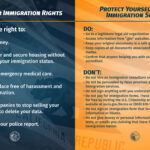 Do undocumented workers have rights
This means states have the authority to extend benefits to undocumented workers without conflicting with federal immigration statutes. Many state courts have ruled that since illegal immigrants are performing labor and contributing to the economy, they should be protected under workers’ compensation systems when injured on the job.
These decisions reinforce the principle that the right to workplace injury benefits is tied to employment—not immigration status—and that public policy supports holding employers accountable for worker safety regardless of documentation.
Types of Benefits Available to Undocumented Workers
Undocumented workers who suffer job-related injuries may be eligible for the same types of workers’ compensation benefits as documented employees, including coverage for medical expenses, temporary or permanent disability payments, and vocational rehabilitation in some cases.
Medical benefits typically cover doctor visits, surgeries, medications, and therapy needed to treat the injury. If the worker is unable to return to work temporarily, they may receive temporary total disability (TTD) benefits, which usually amount to a percentage of their average weekly wage.
 Executive order to protect undocumented workers
In cases of long-term or permanent impairment, permanent disability benefits can be awarded. While wage-loss benefits might be calculated based on actual earnings—important in cases where wages were paid under the table—these workers are generally not entitled to unemployment benefits or other federally funded programs, but workers’ comp remains accessible under most state laws.
Employer and Insurance Company Challenges
Despite legal protections, undocumented workers often face significant obstacles when filing for workers’ compensation, including resistance from employers and insurance providers. Some employers may threaten to report the worker to immigration authorities or deny that an employment relationship existed. Others may argue that the injury did not occur on the job or dispute the extent of the disability.
Insurance companies might delay claims or require extensive documentation to challenge validity. These tactics can deter claims, especially when workers fear deportation or lack access to legal representation.
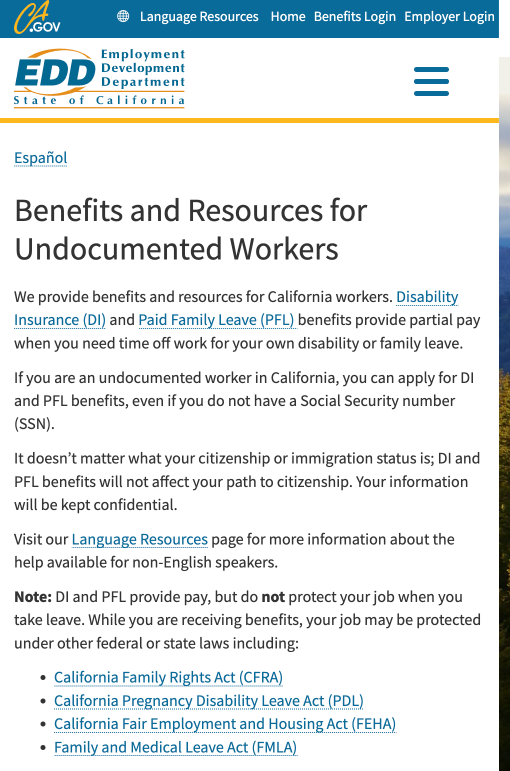
However, many states have taken steps to protect claimants by prohibiting employers from using immigration status as a defense in workers’ compensation cases. Additionally, workers are generally not required to provide a Social Security number to file a claim, and their immigration status is typically not reported to federal authorities by state workers’ compensation boards.
| Aspect | Detail |
|---|---|
| Eligibility | Based on employment and injury, not immigration status |
| Medical Coverage | Full coverage for treatment related to work injury |
| Wage Replacement | Temporary or permanent disability payments based on earnings |
| Employer Retaliation | Prohibited in most states; reporting to ICE may be illegal |
| Legal Precedent | Supreme Court and state rulings support access |
Can Undocumented Immigrants Receive Workers' Compensation? A Comprehensive Guide
Can undocumented workers qualify for workers' compensation benefits?
Eligibility of Undocumented Workers for Workers' Compensation Benefits
- Undocumented workers in the United States are generally eligible to receive workers' compensation benefits regardless of their immigration status. This is because workers' compensation laws are designed to protect all employees who suffer work-related injuries or illnesses, focusing on employment rather than legal residency.
- Courts and state labor boards in many jurisdictions have consistently ruled that immigration status does not disqualify an individual from receiving benefits. The principle behind this is that employers benefit from the labor of all workers, documented or not, and therefore should provide protection for on-the-job injuries.
- Workers’ compensation systems operate under state laws, and in most states—including California, New York, and Texas—undocumented workers are explicitly covered. As long as the person was performing work for an employer and suffered a job-related injury, they qualify for medical treatment, wage replacement, and rehabilitation services.
How Undocumented Workers Can File a Claim
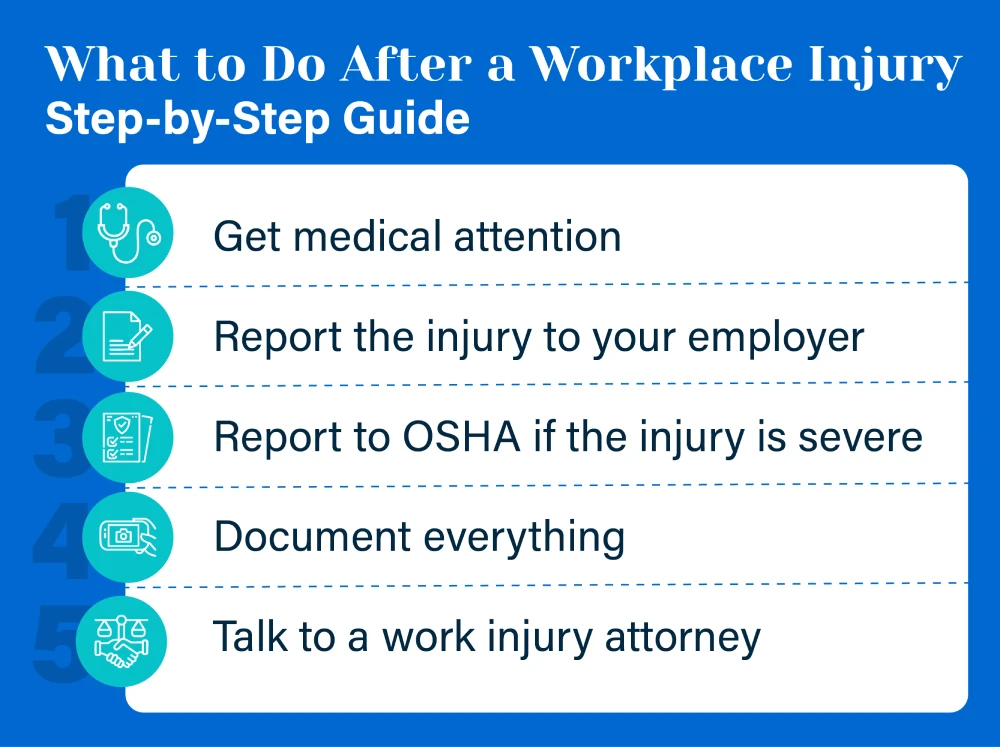
- To file a workers' compensation claim, undocumented workers must report the injury to their employer as soon as possible, typically within a specific timeframe defined by state law. Prompt reporting helps ensure the claim is processed without unnecessary delays.
- The worker should seek medical attention and inform the healthcare provider that the injury occurred at work. Medical documentation plays a critical role in substantiating the claim, and using an employer-approved doctor may be required in certain states.
- Next, the worker or their representative must complete the official claim form, which is usually Form DWC-1 in many states. Even without a Social Security number, the claim can still proceed, and the worker may use an Individual Taxpayer Identification Number (ITIN) or file without one in some cases.
Challenges Faced by Undocumented Workers Seeking Benefits
- One major barrier is fear of deportation or employer retaliation. Some undocumented workers hesitate to file claims because they worry their immigration status will be exposed, though workers' compensation boards are generally prohibited from sharing personal information with immigration authorities.
- Employers may try to discourage claims by misclassifying workers as independent contractors or denying that an employment relationship existed. These tactics can complicate the claims process, but legal remedies are available to challenge misclassification.
- Language barriers and lack of awareness about workers’ rights also present significant challenges. Many undocumented workers are not informed about their entitlement to benefits and may benefit from contacting worker advocacy organizations or legal aid groups for assistance.
Yes, undocumented workers can qualify for workers' compensation benefits after a job-related accident in the United States. Workers' compensation laws are designed to provide medical care and wage replacement to employees who suffer work-related injuries or illnesses, regardless of their immigration status.
The legal basis for this protection comes from U.S. Supreme Court rulings and state-level workers' compensation statutes, which generally define employee broadly and do not exclude individuals based on immigration status.
Employers are required to carry workers' compensation insurance in most states, and coverage typically extends to all workers, including those not authorized to work in the country. The primary focus is on the employment relationship and the nature of the injury, not the worker’s legal status.
Legal Protections for Undocumented Workers Under Workers' Compensation Laws
- The U.S. Supreme Court case Hoffman Plastic Compounds, Inc. v. NLRB (2002) addressed immigration and labor rights but did not strip undocumented workers of access to workers' compensation. That ruling limited back pay eligibility under federal labor law, but state workers' comp systems operate independently and generally provide equal access.
- Most state courts have ruled that immigration status is irrelevant when determining eligibility for workers’ compensation benefits. For example, courts in California, New York, and Illinois have affirmed that undocumented workers are entitled to the same benefits as documented employees.
- Workers' compensation is considered a no-fault system designed to protect workers and employers alike. Because benefits are not tied to federal income or public assistance programs, there is no legal barrier preventing undocumented individuals from receiving medical treatment and disability payments for job-related injuries.
Barriers Preventing Undocumented Workers from Filing Claims
- Many undocumented workers avoid filing claims due to fear of employer retaliation, deportation, or immigration enforcement, even though workers’ comp claims typically do not involve immigration authorities.
- Lack of knowledge about their rights is a significant obstacle. Many undocumented employees are unaware that their immigration status does not disqualify them from receiving medical care and lost wage benefits after a workplace injury.
- Employers may discourage or mislead undocumented workers about their eligibility, sometimes threatening to report them to immigration officials or refusing to report the injury, which can delay or prevent access to benefits.
Documentation and Steps to Claim Workers' Compensation as an Undocumented Worker
- It is crucial to report the injury to the employer as soon as possible, even if the worker lacks a Social Security number or official work authorization. Most states allow claims to be filed using alternative identifiers, such as an Individual Taxpayer Identification Number (ITIN) or even without one.
- Seeking prompt medical attention and ensuring that the injury is clearly documented as work-related helps establish the legitimacy of the claim. Medical records and witness statements play a key role in the claims process.
- Consulting with an experienced workers’ compensation attorney who understands immigrant worker protections can help navigate the system, protect against employer retaliation, and ensure that all deadlines and requirements are met throughout the claim process.
Frequently Asked Questions
Can illegal immigrants receive workers' compensation in the United States?
Yes, illegal immigrants can receive workers' compensation in the United States. Most states grant eligibility regardless of immigration status.
As long as the individual is employed and suffers a work-related injury or illness, they are typically entitled to benefits. Employers are required to provide coverage for all workers, and denying claims solely based on immigration status is generally prohibited under state workers' compensation laws.
No, undocumented workers do not need a Social Security number to file a workers' compensation claim. While having an SSN can assist in processing the claim, its absence does not disqualify an individual.
Claimants may use alternative identification, and the focus remains on the work injury and employment relationship, not immigration documents. Each state has procedures to handle claims from workers without traditional identification.
Are employers required to cover undocumented workers under workers' comp?
Yes, employers are required to cover undocumented workers under workers' compensation laws. The obligation to provide coverage applies to all employees, regardless of immigration status.
This legal requirement ensures that any worker injured on the job receives medical care and wage replacement. Failure to provide coverage can result in penalties for the employer, and workers retain the right to file claims even if their status is undocumented.
Can employers face consequences for hiring undocumented workers if they file a claim?
While employers can face legal consequences for hiring undocumented workers under federal immigration law, filing a workers’ compensation claim does not trigger these penalties. Workers' comp systems are designed to be separate from immigration enforcement.
An employee’s claim is evaluated based on the injury and employment, not immigration status. However, employers violating immigration laws may be investigated independently by federal authorities.
Leave a Reply