
kentucky at will employment
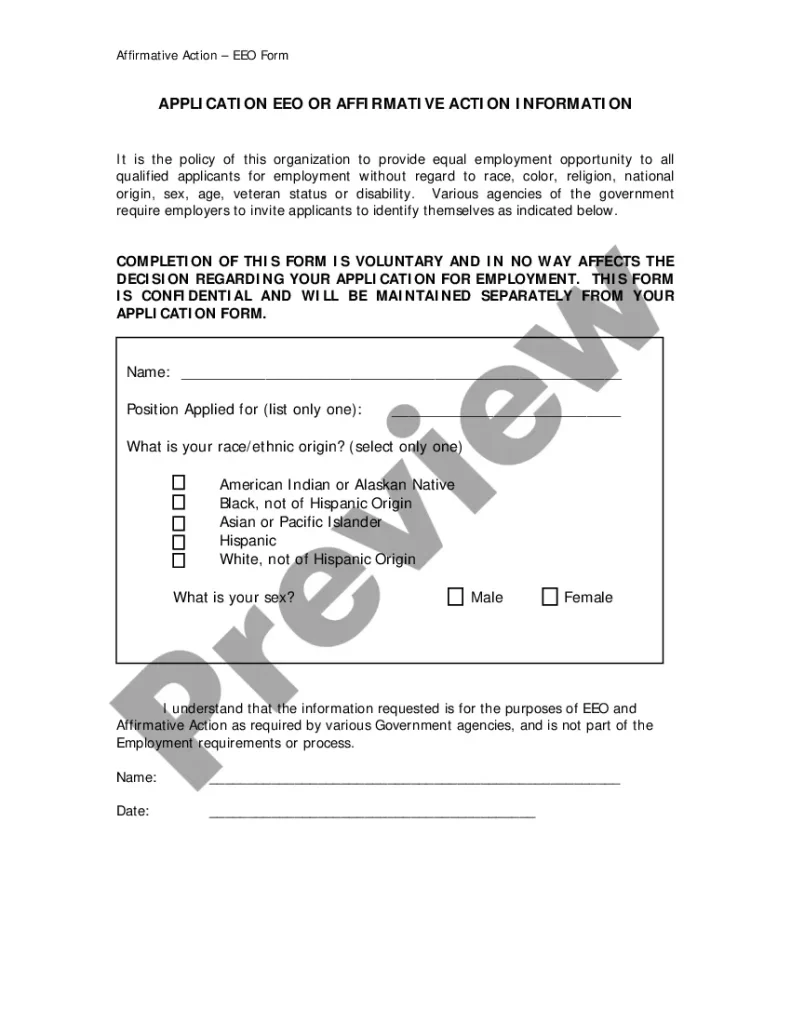
In Kentucky, the principle of at-will employment governs most employer-employee relationships, allowing employers to terminate workers at any time, for any legal reason, with or without cause. Similarly, employees retain the right to leave their jobs without notice or consequence. This doctrine forms the foundation of employment law in the state, offering flexibility but also raising concerns about job security. While exceptions exist—such as protections against discrimination or retaliation—understanding the nuances of at-will employment is crucial for both employers and employees. This article explores the rights, responsibilities, and limitations within Kentucky's at-will framework.
Understanding At-Will Employment in Kentucky
In Kentucky, the employment relationship operates under the doctrine of at-will employment, which means that in the absence of an employment contract or a collective bargaining agreement, either the employer or the employee may terminate the employment relationship at any time, for any legal reason, or for no reason at all—provided that the termination does not violate state or federal laws. This principle is deeply embedded in Kentucky common law and is upheld by state courts. While at-will employment offers flexibility for both parties, it also means employees do not have a guaranteed job tenure and can be dismissed without advance notice. However, there are important exceptions to this rule, such as when termination would constitute discrimination, retaliation for whistleblowing, or a violation of public policy. Employees and employers alike should understand these boundaries to ensure compliance with legal protections and avoid potential litigation.
What Does At-Will Employment Mean in Kentucky?
At-will employment in Kentucky means that employers can terminate an employee at any time without needing to provide justification, as long as the reason is not illegal or discriminatory. Similarly, employees retain the right to resign from their position at any time, with or without notice. This framework aims to maintain workforce flexibility but can also create uncertainty for employees regarding job security. Importantly, unless a written employment contract specifies otherwise, all employment in Kentucky is presumed to be at-will. The unilateral nature of this arrangement places a responsibility on employees to be aware of their rights and on employers to ensure that their actions comply with antidiscrimination laws and other legal safeguards under statutes like Title VII of the Civil Rights Act, the Americans with Disabilities Act (ADA), and the Age Discrimination in Employment Act (ADEA).
 Immigration construction workers
Exceptions to Kentucky's At-Will Employment Doctrine
While Kentucky adheres to the at-will doctrine, courts recognize several key exceptions that prevent employers from firing employees for unlawful reasons. The most significant exception is the public policy exception, where wrongful termination may be claimed if an employee is discharged for refusing to commit an illegal act, for performing a public duty (such as jury service), or for exercising a legal right like filing a workers’ compensation claim. Additionally, terminations that breach an implied contract—such as promises made in an employee handbook—or that violate the principle of good faith and fair dealing may be challenged in court. Discriminatory dismissals based on race, gender, religion, disability, or other protected categories are also prohibited under federal and state anti-discrimination laws, making such terminations unlawful despite the at-will framework.
Employee Rights and Protections Under Kentucky Law
Employees in Kentucky still possess important rights even within the at-will employment structure. Federal and state laws protect workers from dismissal due to protected characteristics such as age, sex, national origin, or pregnancy. Moreover, employees are safeguarded when engaging in protected activities, such as reporting safety violations to OSHA, complaining about wage violations, or serving in the military. Retaliation for such actions violates public policy and can give rise to legal claims. It's also crucial for employees to review any employment agreements, company handbooks, or workplace policies, as these may create enforceable obligations that effectively modify the at-will relationship. Understanding these rights empowers workers to seek legal recourse when terminations cross legal boundaries.
| Aspect | Description | Key Considerations |
|---|---|---|
| At-Will Employment Rule | Employment can be terminated by either party at any time, with or without cause. | Applies unless there's a written contract stating otherwise. |
| Public Policy Exception | Employees cannot be fired for reasons that violate public interest. | Covers whistleblowing, filing workers’ comp claims, or refusing to break the law. |
| Discrimination Protections | Termination based on protected characteristics is illegal. | Includes race, color, religion, sex, national origin, disability, and age (40+). |
| Retaliation Prohibition | Employers cannot punish employees for asserting legal rights. | Applies to wage complaints, safety reports, or discrimination charges. |
| Implied Contract Exception | Statements in handbooks or policies may create binding obligations. | If promises of job security exist, they may override at-will status. |
Frequently Asked Questions
What does at-will employment mean in Kentucky?
In Kentucky, at-will employment means that an employer can terminate an employee at any time, for any legal reason, without warning. Likewise, employees can leave their job at any time without consequence. This arrangement provides flexibility for both parties but does not permit termination based on discrimination or retaliation for protected actions like reporting harassment or filing a workers’ compensation claim.
Are there any exceptions to at-will employment in Kentucky?
Yes, Kentucky recognizes exceptions to at-will employment. Employers cannot fire employees for discriminatory reasons based on race, gender, religion, disability, or other protected classes. Additionally, termination is prohibited if it violates public policy, such as firing someone for jury duty, whistleblowing, or filing a workers’ compensation claim. These exceptions prevent unlawful misuse of at-will status.
 Immigration farm workers
Can an employee be fired without cause in Kentucky?
Yes, in Kentucky, an employee can be fired without cause under at-will employment. Employers are not required to provide a reason or advance notice for termination. However, the dismissal must not violate federal or state anti-discrimination laws or breach an employment contract or company policy. If those apply, the employee may have legal recourse despite at-will status.
Do employment contracts affect at-will status in Kentucky?
Yes, employment contracts can modify at-will employment in Kentucky. If a written contract specifies job duration, termination procedures, or just-cause requirements, it supersedes at-will policies. Similarly, collective bargaining agreements or employee handbooks that outline disciplinary processes can create enforceable rights. Always review signed agreements, as they can limit an employer’s ability to terminate employment freely.
Leave a Reply