
How far back can you claim unpaid wages
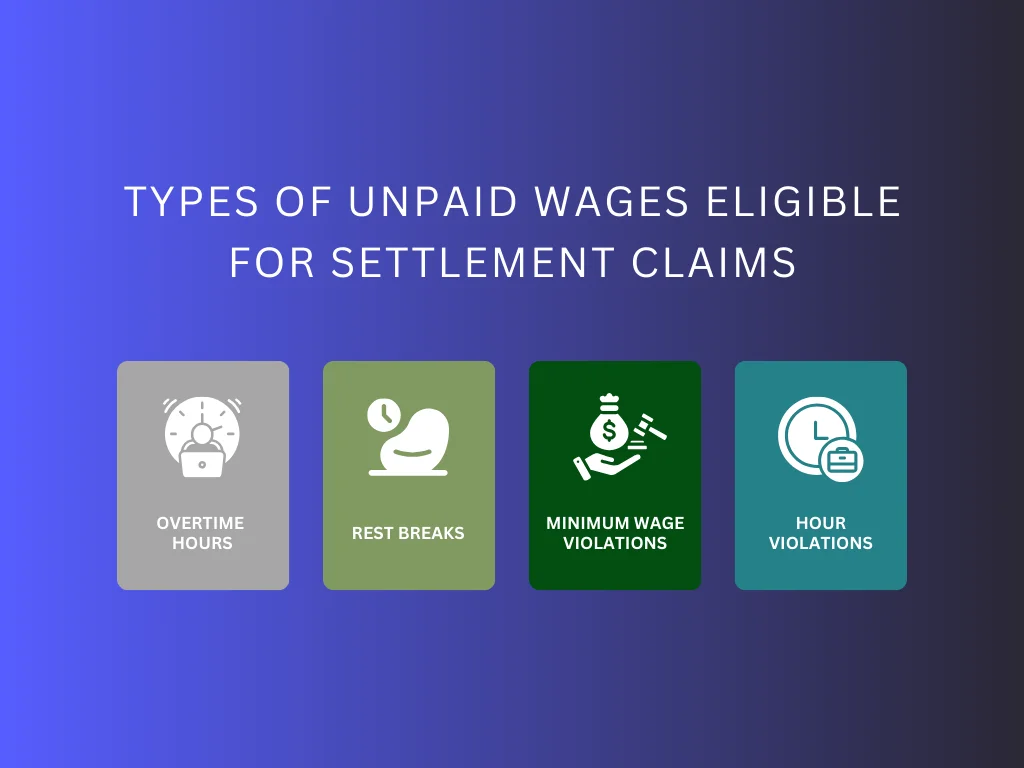
Unpaid wages affect countless workers, yet many are unsure how far back they can legally claim what they’re owed.
Time limits for wage claims vary by jurisdiction and depend on whether federal or state laws apply. In the U.S., the Fair Labor Standards Act (FLSA) generally allows employees to recover back wages for up to two years, or three years if the violation is deemed willful.
Some states offer longer statutes of limitations or stronger protections. Factors like employment contracts, recordkeeping, and when the violation occurred also influence claims. Understanding these timelines is crucial for workers seeking rightful compensation.
How Far Back Can You Claim Unpaid Wages?
The length of time you can go back to claim unpaid wages primarily depends on the jurisdiction and the specific labor laws that apply to your situation. In the United States, for example, the Fair Labor Standards Act (FLSA) generally allows employees to recover unpaid wages for up to two years prior to filing a claim, or three years if the violation is deemed willful.
State laws may offer different or even longer statutes of limitations—some states permit claims as far back as four or six years. It's essential to act promptly because once the statute of limitations expires, your right to collect those wages may be permanently lost.
Additionally, the type of wage violation—such as unpaid overtime, minimum wage violations, or failure to pay final wages—can also affect the recovery period. To ensure your claim is valid and timely, consulting with an experienced employment attorney or your state’s labor department is strongly recommended.
Understanding Federal Laws on Wage Claims
Under the Fair Labor Standards Act (FLSA), which governs minimum wage, overtime pay, and other wage protections for most U.S. employees, workers can typically recover unpaid wages for up to two years preceding the date they file a lawsuit.
However, if the employer’s failure to pay is found to be willful—meaning they knew or showed reckless disregard for whether their actions violated the law—the recovery period extends to three years. The FLSA applies to employees in the private sector and in federal, state, and local governments.
One key aspect of the FLSA is that it not only allows for the recovery of back pay but also permits liquidated damages, meaning the employee may be entitled to an additional amount equal to the unpaid wages. It's important to note that the FLSA’s statute of limitations begins from the date the wage violation occurred, not the date employment ended.
State-Specific Statutes of Limitations for Wage Claims
While federal law sets a baseline, many states have their own wage and hour laws that may provide longer timeframes for filing wage claims. For instance, California allows employees to sue for unpaid wages up to three years under its wage laws, and sometimes four years if claiming under certain Labor Code provisions.
In New York, the statute of limitations is generally six years for written contracts, which can include employment contracts or written wage agreements, although it’s shorter for oral agreements. Some states, like Texas, limit claims to four years under their version of the FLSA.
These differences highlight the importance of understanding your state-specific labor laws, as they can significantly expand your rights and the window for filing a claim. Workers should consult their state’s labor department or an employment attorney to determine which statute applies and for how long.
Factors That Influence the Ability to Claim Back Wages
Several factors can affect how far back an employee can claim unpaid wages, beyond just the statute of limitations. Key considerations include whether the employer's violation was willful, whether there is documented evidence of the unpaid wages (such as pay stubs, time records, or employment contracts), and whether the employee took reasonable steps to address the issue earlier.
In some cases, tolling—a legal principle that pauses the statute of limitations—may apply if the employer actively concealed the wage violation or if the employee was in active military service.
Additionally, collective or class action lawsuits under the FLSA have unique rules; employees may “opt in” to a lawsuit, and the limitations period is often calculated from the date the lawsuit was filed. Because these factors can significantly impact the outcome, gathering and preserving relevant documentation is crucial in any wage claim.
| Jurisdiction | Standard Limitation Period | Extended Period (Willful Violation) | Key Notes |
|---|---|---|---|
| FLSA (Federal) | 2 years | 3 years | Applies to most private and public employees; allows for liquidated damages. |
| California | 3 years | 4 years (under specific Labor Code sections) | Stronger employee protections; written wage claims may extend the period. |
| New York | 2 years (oral contract) | 6 years (written contract) | Longer window if there’s a written agreement outlining wages. |
| Texas | 4 years | 4 years | Uses the Texas Payday Law; statute based on contract theories. |
| Illinois | 5 years | 10 years (if under a written agreement) | One of the most favorable states for employee wage claims. |
Understanding the Time Limits for Filing Unpaid Wage Claims
The amount of time you can look back to claim unpaid wages largely depends on the jurisdiction and the specific labor laws that apply—federal, state, or local. Under the U.S. Fair Labor Standards Act (FLSA), the standard statute of limitations is two years for non-willful violations and three years for willful violations. This means if your employer knowingly failed to pay you correctly, you may be able to recover wages from up to three years ago.
However, some states have more favorable time limits and broader definitions of wage violations. For example, California allows employees to claim unpaid wages for up to three years under wage and hour laws, while New York permits claims for six years in some cases. It’s also crucial to note that actions like continuing to work after a violation or receiving partial payments may sometimes extend the clock.
To maximize your chances of recovery, documenting all hours worked, pay stubs, and communications with your employer is essential. Because these rules vary significantly, consulting with an employment attorney can help determine the exact filing deadline applicable to your case.
Federal Laws Governing Back Wage Claims
Under the Fair Labor Standards Act (FLSA), employees can pursue claims for unpaid wages, including minimum wage and overtime pay, with a two-year reach-back period for most violations. If the employer’s actions are found to be willful, meaning they either knew the pay practices were illegal or acted with reckless disregard, the period extends to three years.
The FLSA covers most employees in the private sector and in federal, state, and local governments, but exclusions exist for certain professions like independent contractors or specific salaried roles.
The federal government, through the Wage and Hour Division (WHD) of the Department of Labor, enforces these rules, but employees also have the right to file private lawsuits. It’s important to understand that once the statute of limitations expires, the right to claim those wages may be permanently lost.
State-Specific Statutes of Limitations for Wage Claims
Each U.S. state sets its own rules regarding how far back employees can claim unpaid wages, and these often differ from federal timelines. For example, California employees have up to three years to file a claim for most wage violations under the Labor Code, while in New York, the statute allows up to six years for wage theft claims under the Labor Law.
States like Texas follow the federal model with a two- to three-year window, but may allow different deadlines for claims related to final paychecks or commissions.
Some states also provide penalties or interest on recovered wages, increasing the incentive to file. Because state laws can offer longer filing periods and broader protections, it's essential to check the specific regulations in your state and consider which legal standard provides the best outcome.
How Willful Violations Extend the Claim Period
A willful violation occurs when an employer knowingly fails to comply with wage laws or acts with deliberate ignorance of legal requirements, and this classification can significantly expand how far back you can claim unpaid wages.
Under federal law, willful FLSA violations extend the statute of limitations from two to three years, effectively giving employees more time to recover lost income. Proving willfulness typically requires evidence that the employer was aware of the law but chose not to follow it—such as ignoring written wage demands, falsifying time records, or consistently denying overtime.
Some states apply similar standards, and courts closely examine management behavior, internal communications, and past compliance history when determining whether a violation was willful.
Documenting Hours Worked and Wage Discrepancies
Solid documentation is critical when claiming unpaid wages, especially when relying on memory or informal records that extend months or years into the past.
Employees should collect pay stubs, timecards, work schedules, emails, text messages, and witness statements that reflect hours worked and compensation received. Even handwritten logs of daily work hours can serve as strong supporting evidence if official records are missing or inaccurate.
Employers are legally required to maintain accurate payroll records for at least three years under federal law, but if they fail to do so, the burden may shift to the employer to disprove the employee’s claim. The more reliable and consistent the evidence, the stronger the case for recovering back wages, particularly when nearing the limits of the statute of limitations.
The Impact of Continuing Employment on Back Pay Claims
Remaining employed by the same company after a wage violation does not necessarily forfeit your right to claim back pay, but it can affect both the timeline and legal strategy for recovery. Courts generally recognize that employees may be reluctant to file claims while still working due to fear of retaliation, so continuing employment does not bar a claim under most wage laws.
However, each paycheck received may mark the start of a new potential violation, a concept known as the “continuing violation doctrine,” which can help reset or extend the statute of limitations for recent underpayments. Still, wages older than the allowable look-back period—whether two, three, or six years—typically cannot be recovered, emphasizing the importance of timely action even while still employed.
Frequently Asked Questions
How far back can I claim unpaid wages in the United States?
In the United States, the time frame to claim unpaid wages typically ranges from two to three years, depending on the state and whether federal or state laws apply. Under the Fair Labor Standards Act (FLSA), employees can usually recover unpaid wages for up to two years, or three years if the violation was willful. Always check your state’s labor laws for specific deadlines.
Can I claim unpaid wages from more than three years ago?
Generally, claiming unpaid wages from more than three years ago is unlikely under U.S. law. The Fair Labor Standards Act (FLSA) allows a maximum of three years of back pay for willful violations. Most states follow this limit or have shorter statutes of limitations. Exceptions are rare, so it’s best to file a wage claim as soon as possible to stay within legal time limits.
Do different states have different time limits for unpaid wage claims?
Yes, different states have varying time limits, or statutes of limitations, for filing unpaid wage claims. While the federal FLSA allows two to three years, some states permit claims within two years, others up to six. For example, California allows three years for written contracts and two for oral ones. Always confirm your state's specific rules with the labor department.
What should I do if I missed the deadline to claim unpaid wages?
If you’ve missed the legal deadline, recovering unpaid wages becomes very difficult. Most courts and labor boards will not accept claims filed after the statute of limitations expires. However, you may still discuss the issue with your employer informally. In rare cases, restarting the clock on the deadline might be possible if wage disputes were concealed. Consult an employment attorney for guidance.
Leave a Reply