
Immigration construction workers
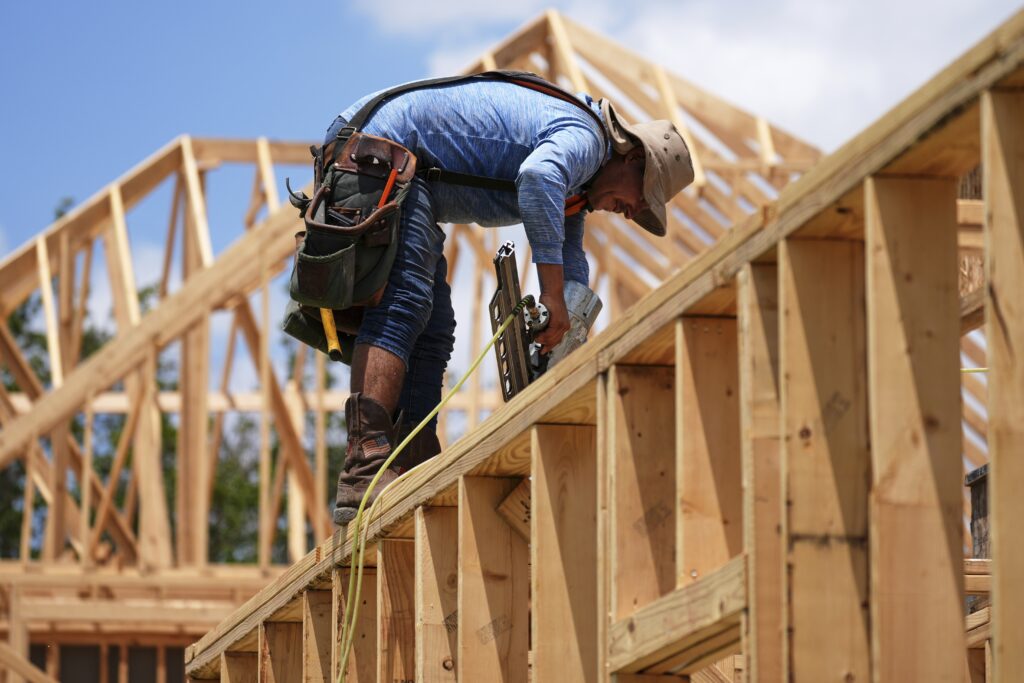
Immigration has long played a pivotal role in shaping the construction industry, particularly in nations experiencing rapid urban development and labor shortages.
Immigrant construction workers form the backbone of many building projects, bringing diverse skills, strong work ethics, and a commitment to craftsmanship.
From skyscrapers to infrastructure, their contributions are visible across city skylines and suburban landscapes. Despite facing challenges such as language barriers, legal uncertainties, and sometimes exploitative working conditions, these workers continue to fill essential roles.
 Trump on immigrant farm workers
Their presence not only sustains the industry’s growth but also highlights the complex relationship between migration and economic development in the modern workforce.
The Role and Impact of Immigrant Workers in the U.S. Construction Industry
Immigrant labor has become a cornerstone of the United States construction sector, filling critical workforce gaps and sustaining industry growth amid ongoing labor shortages. According to the U.S.
Bureau of Labor Statistics and independent research from the Center for Migration Studies, approximately 27% of all construction workers in the country are foreign-born, with a notably high concentration from Latin American countries such as Mexico, Guatemala, and El Salvador. These workers often take on physically demanding roles—including framing, roofing, masonry, and site preparation—that are essential yet difficult to fill with native-born labor.
Their contributions are particularly vital in states with booming construction markets like Texas, Florida, and California. Despite their importance, immigrant construction workers frequently face challenges such as language barriers, limited access to safety training, and, in some cases, employment in the informal sector where labor protections may be weak or poorly enforced.
 Did coca cola call ice on immigrant workers
Nevertheless, their presence supports economic productivity, keeps labor costs somewhat manageable, and helps meet the rising demand for infrastructure, housing, and commercial development across the nation.
Demographics and Employment Patterns of Immigrant Construction Workers
Immigrant construction workers in the United States are predominantly male and concentrated in specific trades, with a significant number employed in residential and commercial construction.
Data from the Pew Research Center shows that Mexican immigrants alone make up nearly 60% of all foreign-born construction workers, followed by individuals from Central America and the Caribbean. Many are employed in lower-wage, labor-intensive positions such as carpenters, helpers, and general laborers.
A notable portion—particularly those without legal documentation—work through subcontracting networks or cash-payment arrangements, which can make them more vulnerable to exploitation. However, legal immigrants with permanent residency or temporary work visas often find more stable employment with larger construction firms.
 Did coca cola call immigration on their workers
Geographic distribution also plays a role: immigrants are heavily represented in urban construction hubs and rapidly growing Sun Belt regions, where high demand for new housing and infrastructure drives continuous hiring.
Legal Status and Workforce Integration Challenges
The legal status of immigrant construction workers varies widely, encompassing documented immigrants with visas or green cards, naturalized citizens, and undocumented individuals. According to the American Community Survey, about 40% of immigrant construction workers are undocumented, making them especially susceptible to substandard wages, unsafe working conditions, and limited legal recourse.
Fear of deportation can prevent reporting of labor violations, creating an environment where unscrupulous employers may underpay or overwork laborers. Additionally, lack of access to official identification, driver’s licenses, or banking services can impede long-term integration into the formal economy.
Integration challenges are compounded by limited English proficiency and minimal access to certification programs or apprenticeships that could lead to upward mobility. Policy initiatives such as expanded guest worker programs or pathways to legalization could enhance workforce stability, but political and legislative obstacles persist.
Economic Contributions and Industry Dependence on Immigrant Labor
The U.S. construction industry’s continued expansion is heavily reliant on immigrant labor, which helps offset an aging domestic workforce and declining interest in trade careers among younger Americans.
Immigrant workers contribute significantly to lowering project costs and maintaining construction timelines, supporting affordability in housing and infrastructure investment.
Studies from the National Academies of Sciences indicate that immigrant labor increases overall productivity and fills gaps during periods of high demand.
Moreover, many immigrant workers remit earnings to their home countries, contributing to global economic networks while also stimulating local economies in the U.S. through spending on housing, transportation, and goods.
Despite anti-immigrant rhetoric in some political discourse, economic analyses consistently underscore that restricting immigrant labor access would likely lead to delays, increased costs, and labor shortages across the construction sector.
| Aspect | Description | Key Statistic |
|---|---|---|
| Workforce Share | Percentage of U.S. construction workers who are foreign-born | ~27% |
| Undocumented Workers | Estimated portion of immigrant construction workers without legal status | ~40% |
| Top Countries of Origin | Main countries supplying immigrant construction labor | Mexico, Guatemala, El Salvador, Honduras |
| Common Job Roles | Typical positions held by immigrant workers | Carpenters, Laborers, Masonry Workers, Roofers |
| States with Highest Concentration | U.S. states where immigrant construction workers are most prevalent | California, Texas, Florida, New York |
Frequently Asked Questions
What are the common visa options for immigrant construction workers in the U.S.?
Immigrant construction workers in the U.S. often use H-2B visas for temporary non-agricultural work, including seasonal construction projects. Permanent residency may be pursued through employment-based categories like EB-3 if a U.S. employer sponsors the worker. Some also qualify through family sponsorship or diversity visas. Legal entry and proper documentation are essential to work legally and avoid deportation risks.
Are immigrant construction workers eligible for the same wages and protections as U.S. workers?
Yes, immigrant construction workers are entitled to the same wages, safety protections, and labor rights under U.S. law, regardless of immigration status. The Fair Labor Standards Act (FLSA) and OSHA regulations apply to all workers. Employers must pay at least minimum wage and provide safe working conditions. Retaliation against workers for claiming their rights is illegal and can be reported to federal agencies.
How do language barriers affect immigrant construction workers on job sites?
Language barriers can lead to miscommunication, safety risks, and difficulty understanding job instructions or safety protocols. Employers can help by providing bilingual supervisors, translated safety materials, or language training. Clear communication is crucial to ensure worker safety and productivity. Over time, many immigrant workers improve their English through on-the-job exposure and community programs.
Immigrant construction workers often face complex paperwork, long processing times, and high costs when applying for work authorization. Undocumented workers may rely on unauthorized employment, increasing vulnerability to exploitation. Legal workers must maintain valid visa status and may struggle with renewal processes. Access to reliable immigration legal services is critical to navigating these challenges successfully.
Leave a Reply